Testosterone Replacement Therapy in Palo Alto, CA

Testosterone Replacement Therapy (TRT) has emerged as a significant treatment option for individuals experiencing low testosterone levels, particularly men. At California Concierge Medicine, we specialize in offering personalized, root-cause healthcare tailored to each patient’s unique physiology. This article will provide a comprehensive overview of TRT, its benefits, who it is suitable for, the conditions it can treat, home remedies to try before seeing a provider, and our process for determining if you are a candidate for TRT.

What is Testosterone Replacement Therapy in Palo Alto, CA?

Testosterone Replacement Therapy (TRT) is a medical treatment designed to restore optimal testosterone levels in individuals who have been diagnosed with low testosterone, also known as hypogonadism. This therapy involves the administration of testosterone through various methods such as injections, patches, gels, or pellets. At California Concierge Medicine, we offer both in-person and virtual consultations to determine the most suitable method for you.

Testosterone is a crucial hormone in the body, playing a vital role in maintaining muscle mass, bone density, red blood cell levels, and overall mood and energy. When testosterone levels decline, it can lead to a range of physical and emotional symptoms that TRT aims to alleviate.


What Are the Benefits of Testosterone Replacement Therapy in Palo Alto, CA?

The benefits of TRT are multifaceted and can significantly improve the quality of life for those with low testosterone levels. Some of the primary benefits include:

  • Increased Muscle Mass and Strength: Testosterone helps in building and maintaining muscle mass, which can lead to improved physical strength and endurance.
  • Enhanced Bone Density: TRT can help in increasing bone mineral density, reducing the risk of fractures and osteoporosis.
  • Improved Mood and Mental Health: Many individuals report a significant improvement in mood, reduced irritability, and enhanced overall mental well-being.
  • Boosted Libido and Sexual Function: TRT can help in restoring libido and improving sexual performance and satisfaction.
  • Increased Energy Levels: Patients often experience a boost in energy levels, reducing fatigue and improving overall vitality.
  • Who is Testosterone Replacement Therapy in Palo Alto, CA Right For?

    TRT is primarily recommended for individuals who have been clinically diagnosed with low testosterone levels. Symptoms of low testosterone can include:

  • Reduced libido and sexual dysfunction
  • Fatigue and decreased energy levels
  • Loss of muscle mass and strength
  • Increased body fat
  • Mood swings and depression
  • Difficulty concentrating
  • At California Concierge Medicine, we emphasize a holistic approach, ensuring that TRT is part of a comprehensive treatment plan tailored to each patient’s unique needs.


    What Conditions Can Testosterone Replacement Therapy in Palo Alto, CA Treat?

    TRT is effective in treating several conditions associated with low testosterone levels, including:

  • Hypogonadism: A condition where the body does not produce enough testosterone.
  • Andropause: Often referred to as male menopause, it involves a gradual decline in testosterone levels with aging.
  • Sexual Dysfunction: Including erectile dysfunction and reduced libido.
  • Muscle Wasting: TRT can help in conditions that lead to muscle loss.
  • Osteoporosis: TRT can improve bone density, reducing the risk of fractures.
  • What Should I Try at Home Before Seeing a Provider for Testosterone Replacement Therapy in Palo Alto, CA?

    Before considering TRT, there are several lifestyle changes and home remedies you can try to boost your testosterone levels naturally:

  • Exercise Regularly: Engaging in regular physical activity, particularly strength training and high-intensity interval training (HIIT), can help boost testosterone levels.
  • Eat a Balanced Diet: Ensure your diet includes adequate amounts of protein, healthy fats, and carbohydrates to support hormone production.
  • Get Enough Sleep: Aim for 7-8 hours of quality sleep per night, as poor sleep can negatively impact testosterone levels.
  • Reduce Stress: Chronic stress increases cortisol levels, which can suppress testosterone production. Practice stress-reducing techniques such as meditation, yoga, or deep breathing exercises.
  • Maintain a Healthy Weight: Obesity is linked to lower testosterone levels, so maintaining a healthy weight through diet and exercise can be beneficial.
  • Our Process for Determining if You Are a Candidate for Testosterone Replacement Therapy in Palo Alto, CA

    At California Concierge Medicine, we follow a thorough and personalized process to determine if TRT is right for you:

  • Initial Consultation: We begin with an in-depth consultation to discuss your symptoms, medical history, and lifestyle. This can be done either in-person or virtually.
  • Comprehensive Testing: We conduct a series of blood tests to measure your testosterone levels and assess other relevant health markers.
  • Personalized Treatment Plan: Based on the results, we develop a customized treatment plan that may include TRT along with other holistic strategies such as nutrition and lifestyle modifications.
  • Ongoing Monitoring and Support: We provide continuous monitoring and support to ensure the treatment is effective and adjust the plan as needed.
  • Blogs

    Insights, education, and expert guidance to help you take control of your health — one article at a time.

    Perimenopause usually starts between ages 40 and 44, with the average onset around age 40. However, it can begin as early as the mid-30s or...
    Perimenopause usually starts between ages 40 and 44, with the average onset around age 40. However, it can begin as early as the mid-30s or as late as the late 40s. Most women enter perimenopause about 8 to 10 years before menopause, which officially occurs after 12 consecutive months without...
    Perimenopause usually starts between ages 40 and 44, with the average onset around age 40....
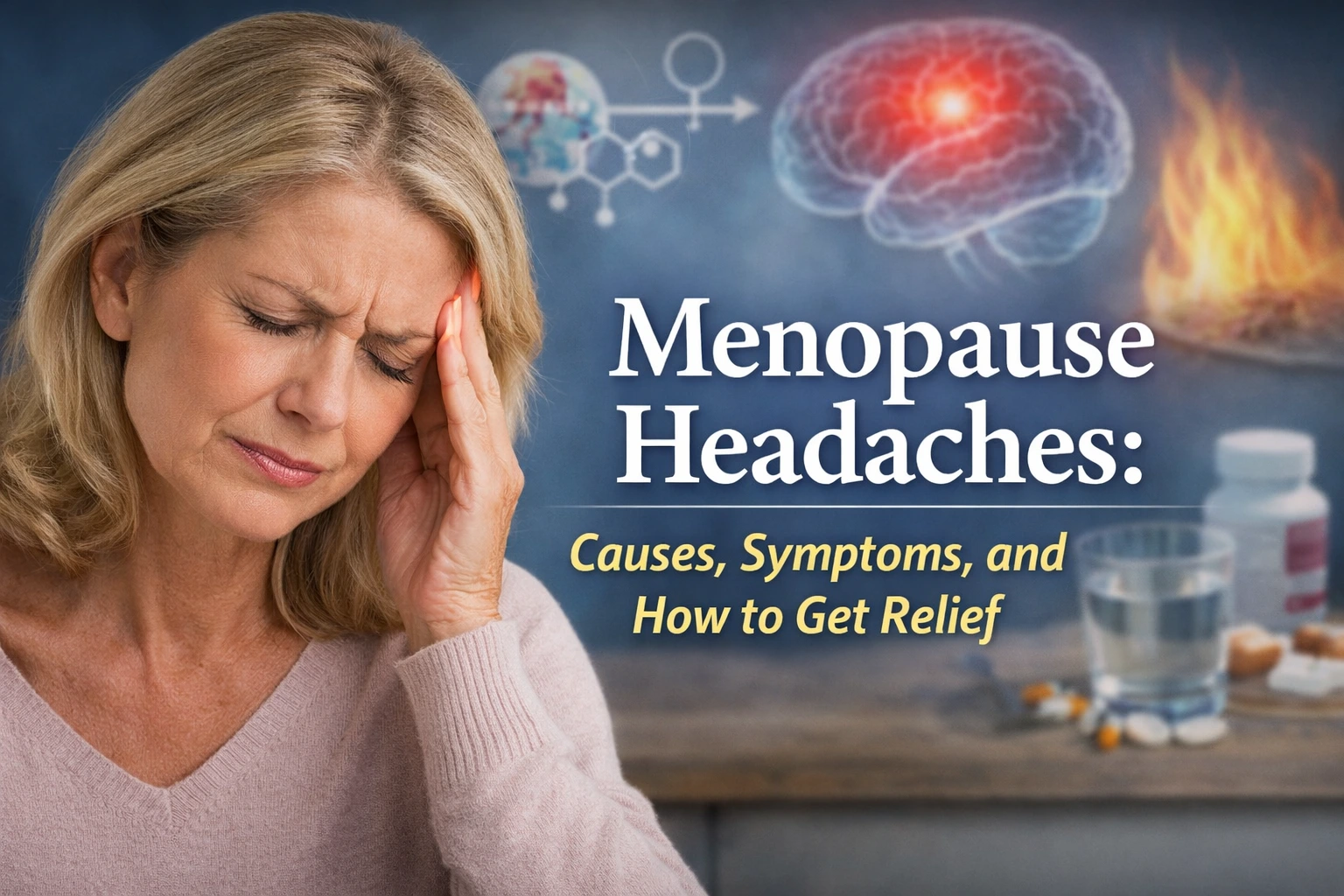
    Menopause headaches are a common but often overlooked symptom that many women experience during perimenopause...
    If you’re exploring hormone replacement therapy (HRT), one of the most common questions is whether...

    Book Your Appointment Today

    Fill out the form below to schedule your visit with our expert team. We’re here to help you stay healthy.

    Blogs

    Insights, education, and expert guidance to help you take control of your health — one article at a time.

    Perimenopause usually starts between ages 40 and 44, with the average onset around age 40. However, it can begin as early as the mid-30s or...
    Perimenopause usually starts between ages 40 and 44, with the average onset around age 40. However, it can begin as early as the mid-30s or as late as the late 40s. Most women enter perimenopause about 8 to 10 years before menopause, which officially occurs after 12 consecutive months without...
    Perimenopause usually starts between ages 40 and 44, with the average onset around age 40....
    Menopause headaches are a common but often overlooked symptom that many women experience during perimenopause...
    If you’re exploring hormone replacement therapy (HRT), one of the most common questions is whether...

    Book Your Appointment Today

    Fill out the form below to schedule your visit with our expert team. We’re here to help you stay healthy.