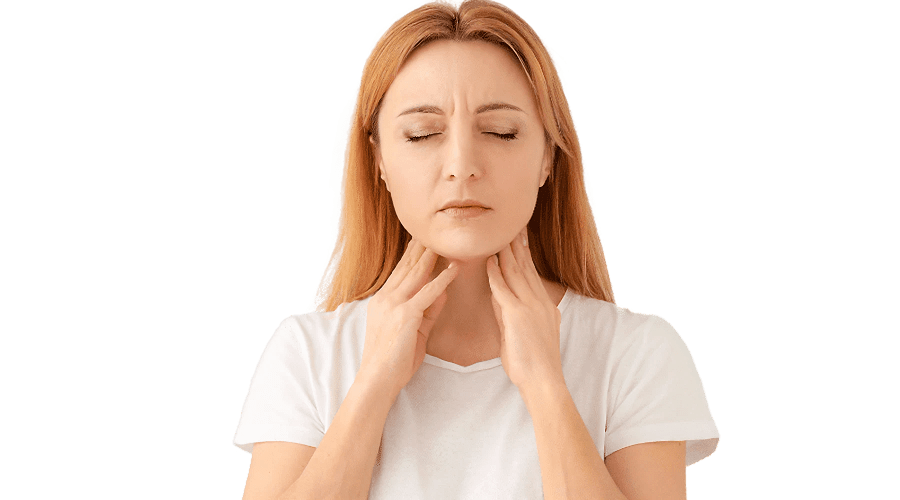
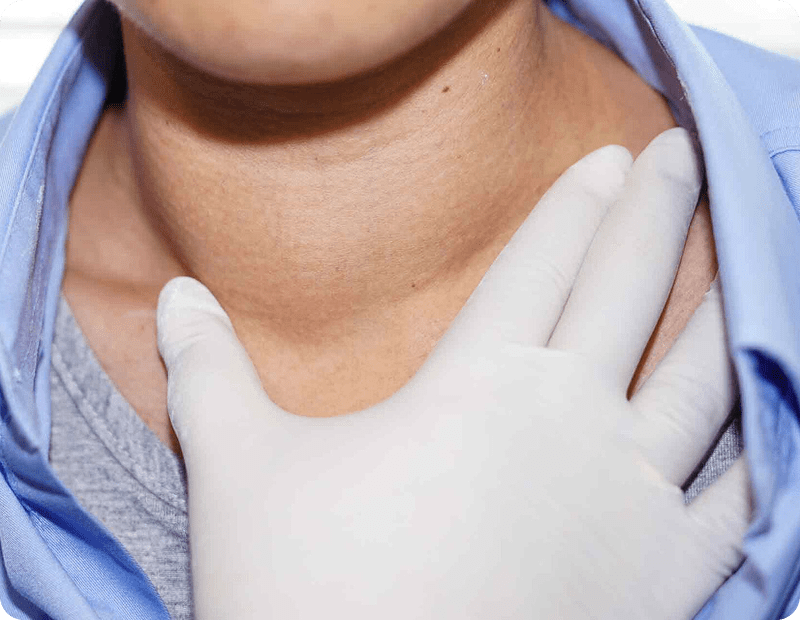
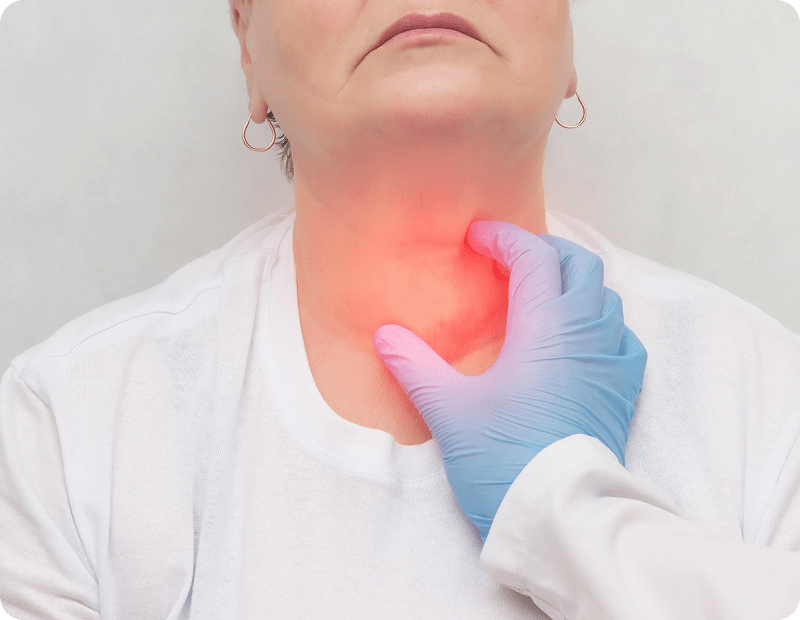
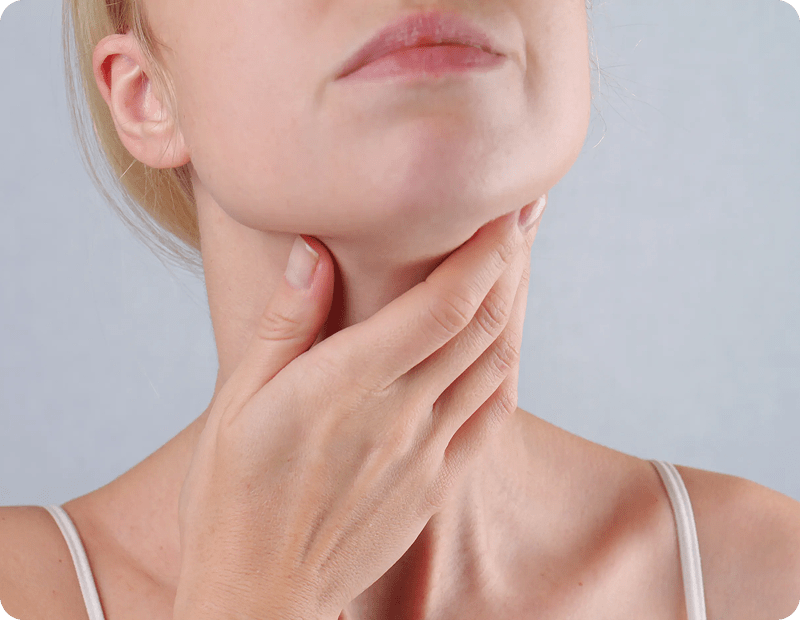
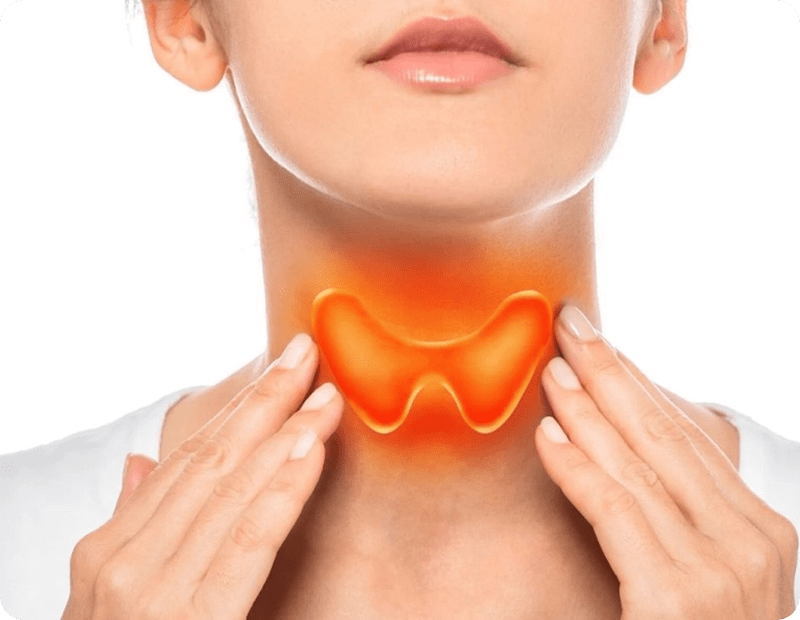
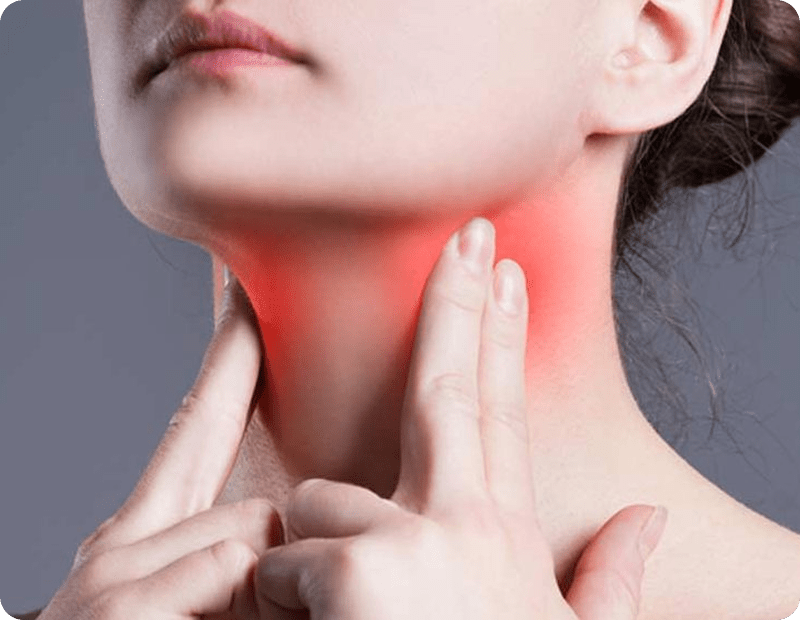
Hashimoto’s thyroiditis is an autoimmune disorder that affects the thyroid gland, causing inflammation and leading to hypothyroidism. In this condition, the body’s immune system mistakenly attacks the thyroid tissue, impairing its ability to produce thyroid hormones adequately.
Functional Medicine for Hashimoto’s Thyroiditis
Hashimoto’s thyroiditis is an autoimmune disorder that affects the thyroid gland, causing inflammation and leading to hypothyroidism. In this condition, the body’s immune system mistakenly attacks the thyroid tissue, impairing its ability to produce thyroid hormones adequately.
What Causes Hashimoto's Thyroiditis?
The exact cause of Hashimoto’s thyroiditis is not fully understood, but it is believed to involve a combination of genetic predisposition and environmental factors.
Certain factors, such as viral infections, hormonal imbalances, and excessive iodine intake, may trigger or contribute to the autoimmune response against the thyroid gland.
Functional medicine for Hashimoto’s thyroiditis considers all these aspects in its treatment plans.
What Symptoms Will I Experience with Hashimoto's Thyroiditis?
Hashimoto’s thyroiditis can manifest with various symptoms, which may vary in severity from person to person.
Common symptoms include:
Fatigue: Feeling tired or exhausted, even after getting enough sleep.
Weight Gain: Unexplained weight gain or difficulty losing weight.
Cold Sensitivity: Feeling unusually cold, especially in the hands and feet.
Constipation: Difficulty passing stools or experiencing infrequent bowel movements.
Dry Skin and Hair: Skin may feel dry, rough, or flaky, and hair may become brittle and prone to breakage.
Muscle Weakness: Weakness or fatigue in the muscles, making it difficult to perform everyday activities.
Joint Pain: Aches and pains in the joints, often accompanied by stiffness or swelling.
What Should I Try at Home Before Seeing a Provider for Hashimoto's Thyroiditis?
While Hashimoto’s thyroiditis requires medical management, there are several lifestyle changes and home remedies that may help alleviate symptoms and support thyroid health:
Healthy Diet: Eat a balanced diet rich in fruits, vegetables, lean proteins, and whole grains. Avoid excessive iodine intake and processed foods, and consider reducing or eliminating gluten, as some individuals with Hashimoto’s thyroiditis may benefit from a gluten-free diet.
Stress Management: Practice stress-reducing techniques such as yoga, meditation, deep breathing exercises, or hobbies that promote relaxation and well-being.
Regular Exercise: Engage in regular physical activity to support metabolism, improve mood, and combat fatigue. Aim for at least 30 minutes of moderate exercise most days of the week.
Supplements: Some individuals may benefit from supplements such as selenium, vitamin D, and omega-3 fatty acids, which can support thyroid function and reduce inflammation. However, always consult with a healthcare provider before starting any new supplements.
Best Treatment Options for Hashimoto's Thyroiditis
Treatment for Hashimoto’s thyroiditis focuses on managing symptoms, slowing disease progression, and restoring thyroid hormone levels to normal.
Common treatment options include:
Thyroid Hormone Replacement Therapy: The primary treatment for hypothyroidism associated with Hashimoto’s thyroiditis is synthetic thyroid hormone medication, such as levothyroxine. This medication helps replace the hormones that the thyroid gland is unable to produce.
Regular Monitoring: Regular monitoring of thyroid function through blood tests is essential to adjust medication dosage and ensure optimal hormone levels.
Lifestyle Modifications: Adopting a healthy lifestyle, including a balanced diet, regular exercise, stress management, and adequate sleep, can complement medical treatment and improve overall well-being.
Immunosuppressive Therapy: In cases where Hashimoto’s thyroiditis causes significant thyroid enlargement (goiter) or symptoms of hyperthyroidism, immunosuppressive medications may be prescribed to suppress the autoimmune response.
Our Process for Hashimoto's Thyroiditis
We specialize in the diagnosis and management of thyroid disorders, including Hashimoto’s thyroiditis.
Our comprehensive approach to treatment includes:
Detailed Evaluation: We conduct a thorough evaluation, including a detailed medical history, physical examination, and laboratory tests to assess thyroid function and autoimmune markers.
Personalized Treatment Plan: Based on the patient’s diagnosis and specific symptoms, we develop a personalized treatment plan tailored to their individual needs and preferences.
Patient Education: We believe in empowering patients with knowledge about their condition and treatment options. We take the time to educate patients about Hashimoto’s thyroiditis, its causes, symptoms, and management strategies.
Regular Follow-up: We schedule regular follow-up appointments to monitor the patient’s response to treatment, adjust medication dosage if necessary, and address any concerns or questions they may have.
By combining medical expertise with personalized care and support, we strive to help patients effectively manage Hashimoto’s thyroiditis and improve their quality of life.
Ready To Experience Care That’s As Unique As You Are?
Explore our services, book your consultation, and start your journey to feeling your best—today.
Perimenopause usually starts between ages 40 and 44, with the average onset around age 40. However, it can begin as early as the mid-30s or...
Perimenopause usually starts between ages 40 and 44, with the average onset around age 40. However, it can begin as early as the mid-30s or as late as the late 40s. Most women enter perimenopause about 8 to 10 years before menopause, which officially occurs after 12 consecutive months without...