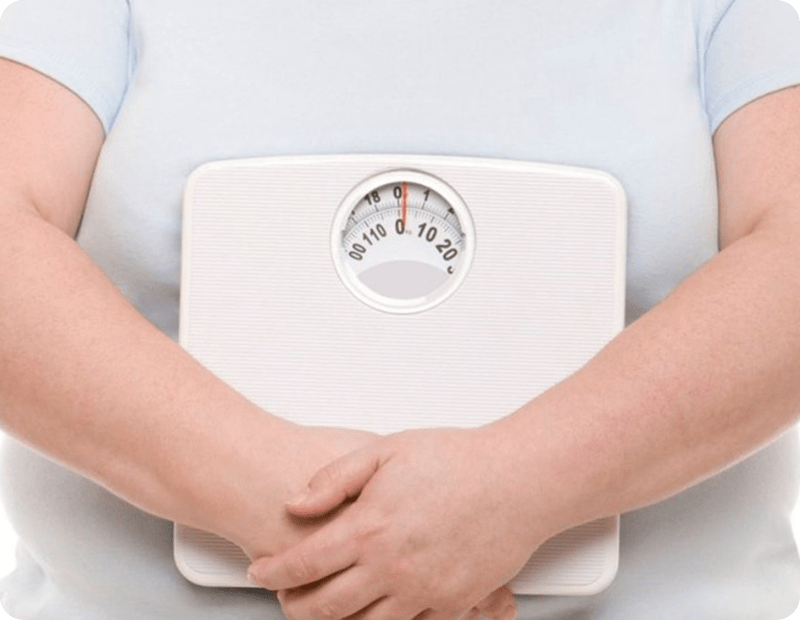
Obesity is a complex metabolic disorder characterized by an excessive accumulation of body fat, leading to adverse health effects. It is typically determined by body mass index (BMI), with a BMI of 30 or higher considered obese.
Obesity increases the risk of various health conditions, including heart disease, type 2 diabetes, stroke, and certain cancers.
Functional Medicine for Obesity
Obesity is a complex metabolic disorder characterized by an excessive accumulation of body fat, leading to adverse health effects. It is typically determined by body mass index (BMI), with a BMI of 30 or higher considered obese.
Obesity increases the risk of various health conditions, including heart disease, type 2 diabetes, stroke, and certain cancers.
What Causes Obesity?
Obesity develops from a combination of genetic, environmental, and lifestyle factors.
Factors such as genetics, metabolism, socioeconomic status, dietary habits, physical activity level, and environmental influences play significant roles in the development of obesity.
Consuming excess calories, particularly from high-fat and high-sugar foods, coupled with a sedentary lifestyle, contributes to weight gain and obesity.
What Symptoms Will I Experience with Obesity?
Symptoms of obesity can vary but often include:
Excessive body weight
Increased body fat percentage
Difficulty in performing physical activities
Shortness of breath
Fatigue
Joint pain
Additionally, obesity increases the risk of developing other health conditions such as hypertension, high cholesterol, and sleep apnea.
What Should I Try at Home Before Seeing a Provider for Obesity?
Before seeking medical advice, individuals with obesity can try several home remedies and lifestyle modifications to promote weight loss and improve overall health.
These include adopting a balanced and calorie-controlled diet rich in fruits, vegetables, lean proteins, and whole grains while limiting processed and high-calorie foods.
Regular physical activity, such as brisk walking, jogging, cycling, or swimming, can aid in weight loss and improve cardiovascular health. Additionally, managing stress, getting an adequate amount of sleep, and staying hydrated are essential for overall well-being.
Best Treatment Options for Obesity
Treatment for obesity focuses on achieving and maintaining a healthy weight through a combination of lifestyle modifications, dietary changes, physical activity, and, in some cases, medical interventions.
Depending on individual needs and health status, treatment options may include behavior therapy, dietary counseling, prescription medications for weight loss, and bariatric surgery for severe obesity.
Our Process for Treating Obesity
We understand the complexities of obesity and offer personalized treatment plans to help individuals achieve their weight loss goals and improve their overall health. Our comprehensive approach involves thorough evaluation, lifestyle counseling, nutritional guidance, and ongoing support.
Our team of healthcare professionals collaborates with each patient to develop a tailored treatment plan that addresses their unique needs, preferences, and medical conditions. We prioritize long-term success and provide the resources and support necessary to help individuals maintain a healthy weight and lifestyle.
Functional Medicine for Obesity
Obesity is a significant health concern with far-reaching consequences, but it is manageable with the right approach and support. By understanding its causes, symptoms, and treatment options, individuals can take proactive steps to achieve and maintain a healthy weight.
Whether through lifestyle modifications, medical interventions, or surgical procedures, managing obesity requires a comprehensive and personalized approach that addresses the underlying factors contributing to weight gain.
With the guidance and support of healthcare professionals, individuals can embark on a journey towards improved health and well-being.
Ready To Experience Care That’s As Unique As You Are?
Explore our services, book your consultation, and start your journey to feeling your best—today.
Perimenopause usually starts between ages 40 and 44, with the average onset around age 40. However, it can begin as early as the mid-30s or...
Perimenopause usually starts between ages 40 and 44, with the average onset around age 40. However, it can begin as early as the mid-30s or as late as the late 40s. Most women enter perimenopause about 8 to 10 years before menopause, which officially occurs after 12 consecutive months without...