Arthritis refers to a group of more than 100 different types of inflammatory joint diseases that affect millions of people worldwide.
The most common types of arthritis include osteoarthritis (OA) and rheumatoid arthritis (RA), but there are many other forms, each with its own unique features and treatment approaches.
Functional Medicine for Arthritis
Arthritis refers to a group of more than 100 different types of inflammatory joint diseases that affect millions of people worldwide.
The most common types of arthritis include osteoarthritis (OA) and rheumatoid arthritis (RA), but there are many other forms, each with its own unique features and treatment approaches.
What Causes Arthritis?
The exact cause of arthritis depends on the specific type, but common factors that may contribute to the development of arthritis include:
Genetics: Genetic factors may predispose individuals to certain types of arthritis, particularly autoimmune forms such as rheumatoid arthritis.
Age: The risk of developing arthritis increases with age, particularly osteoarthritis, which is commonly associated with wear and tear on the joints over time.
Joint injury or trauma: Previous joint injuries, such as fractures, dislocations, or ligament tears, may increase the risk of developing osteoarthritis in the affected joint.
Autoimmune disorders: Autoimmune diseases such as rheumatoid arthritis, lupus, and psoriatic arthritis occur when the immune system mistakenly attacks healthy tissues, including the joints, leading to inflammation and damage.
Infection: Certain infections, such as Lyme disease, bacterial or viral infections, and sexually transmitted infections, can trigger inflammatory arthritis in susceptible individuals.
What Symptoms Will I Experience with Arthritis?
The symptoms of arthritis can vary depending on the type and severity of the condition, but common symptoms may include:
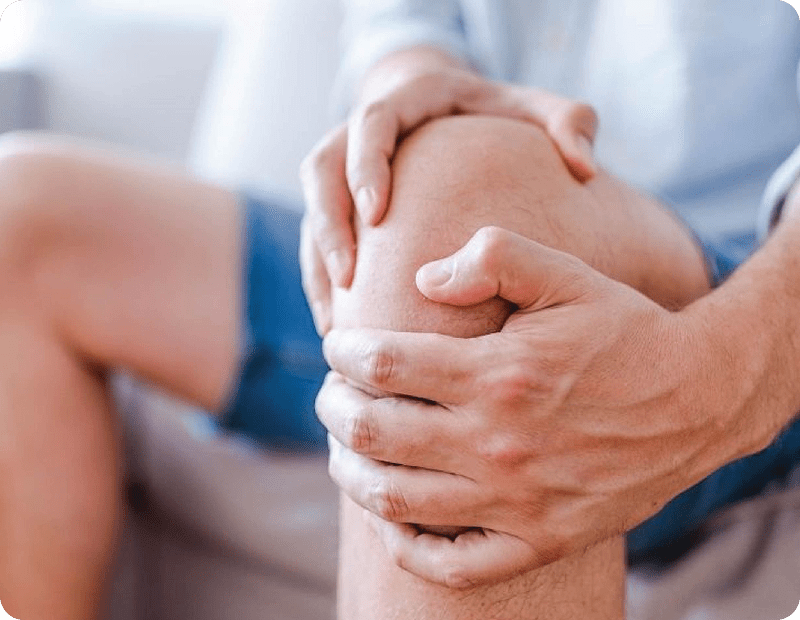
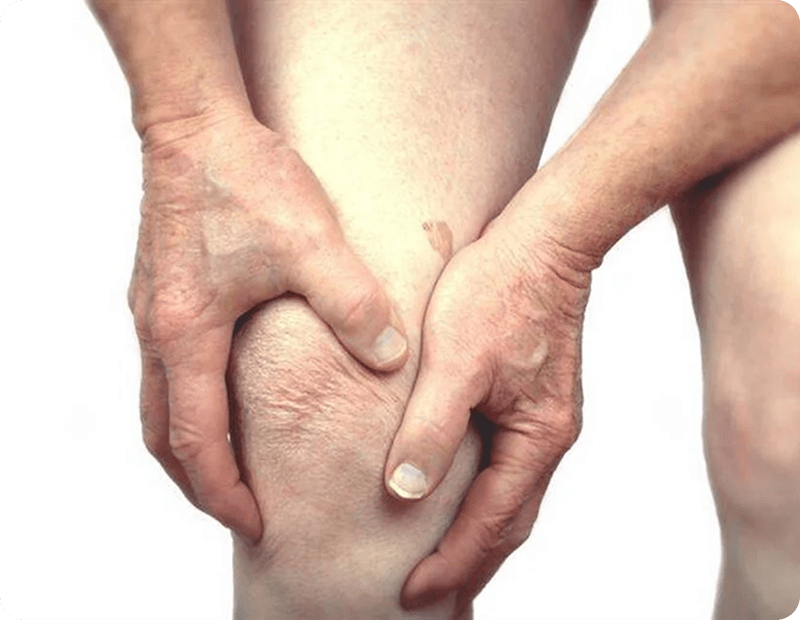
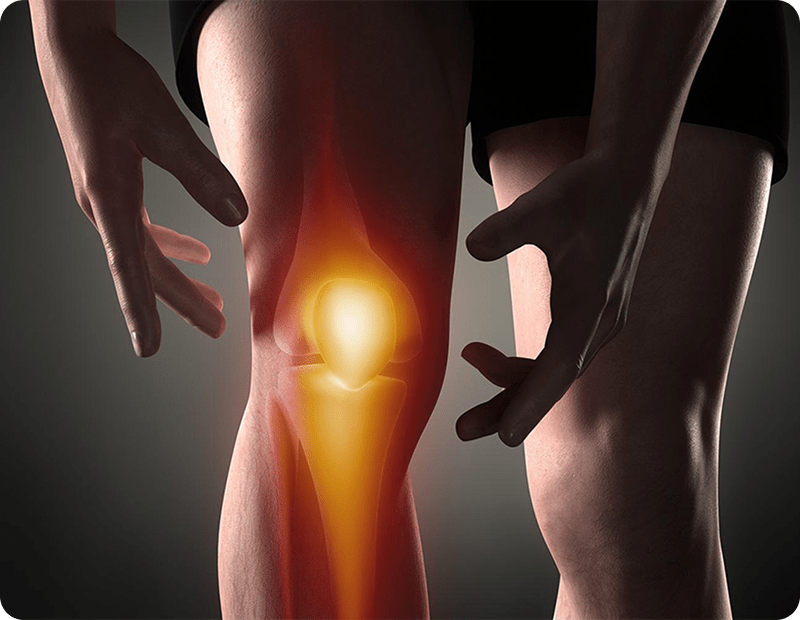
Joint pain, tenderness, and swelling
Stiffness and reduced range of motion in the affected joints
Joint redness and warmth
Fatigue and malaise
Morning stiffness that improves with movement
Joint deformities or changes in joint shape
Difficulty performing daily activities such as walking, climbing stairs, or gripping objects
Crepitus, or a cracking or grating sensation in the joints
Inflammation and pain in the surrounding tissues, such as muscles, tendons, and ligaments
What Should I Try at Home Before Seeing a Provider for Arthritis?
Before seeking medical advice for arthritis, individuals can try several home remedies and lifestyle modifications to help manage symptoms and improve joint health.
These may include:
Hot and cold therapy: Applying heat packs or cold packs to the affected joints can help reduce pain, inflammation, and stiffness in arthritis.
Regular exercise: Engaging in low-impact exercises such as walking, swimming, cycling, or tai chi can help improve joint flexibility, strength, and range of motion.
Weight management: Maintaining a healthy weight through diet and regular exercise can help reduce stress on the joints and alleviate symptoms of arthritis, particularly osteoarthritis.
Joint protection: Avoiding activities that exacerbate joint pain and using assistive devices such as braces, splints, or canes can help protect the joints and improve mobility.
Dietary changes: Consuming a balanced diet rich in anti-inflammatory foods such as fruits, vegetables, whole grains, lean proteins, and omega-3 fatty acids can help reduce inflammation and support joint health.
Best Treatment Options for Arthritis
Functional medicine for arthritis aims to relieve pain, reduce inflammation, improve joint function, and slow disease progression.
Treatment options may include:
Medications: Over-the-counter pain relievers such as acetaminophen (Tylenol) or nonsteroidal anti-inflammatory drugs (NSAIDs) like ibuprofen (Advil, Motrin) or naproxen (Aleve) can help alleviate pain and inflammation in arthritis. In severe cases, prescription medications such as disease-modifying antirheumatic drugs (DMARDs), biologic agents, corticosteroids, or analgesics may be prescribed.
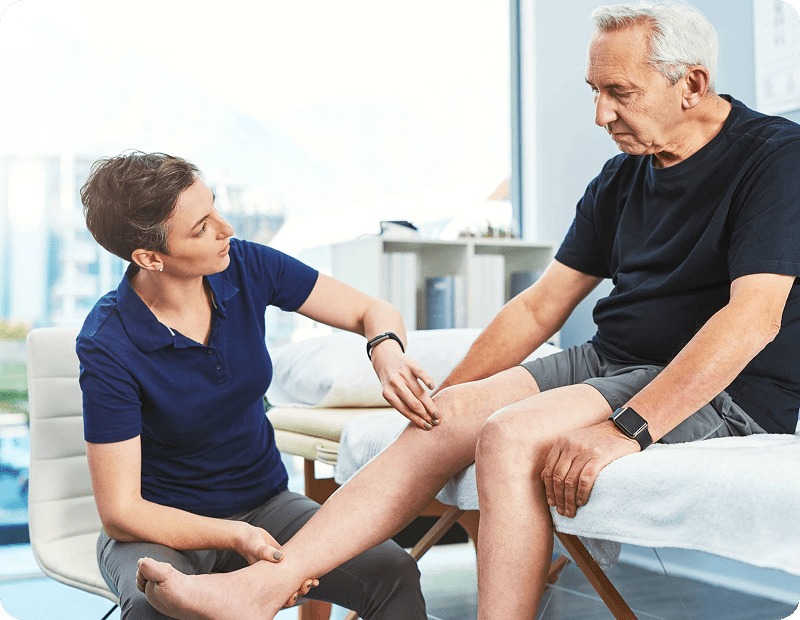
Physical therapy: Physical therapy techniques such as exercises, stretches, manual therapy, and modalities such as ultrasound or electrical stimulation can help improve joint flexibility, strength, and function in arthritis.
Joint injections: Corticosteroid injections or hyaluronic acid injections directly into the affected joints can help reduce inflammation, alleviate pain, and improve mobility in arthritis.
Surgery: In severe cases of arthritis, particularly osteoarthritis or advanced rheumatoid arthritis, surgical interventions such as joint replacement surgery (arthroplasty), joint fusion surgery (arthrodesis), or joint repair surgery may be necessary to restore joint function and relieve pain.
Our Process for Treating Arthritis
We specialize in the comprehensive evaluation and management of arthritis to help individuals achieve improved joint health and overall well-being.
Our approach involves a thorough assessment, including a medical history, physical examination, imaging studies, and laboratory tests to diagnose the type and severity of arthritis. Based on the results, we develop personalized treatment plans tailored to each patient’s specific needs, goals, and preferences. Our team of experienced healthcare professionals, including rheumatologists, orthopedic surgeons, physical therapists, and nutritionists, collaborates closely with each patient to implement evidence-based treatment strategies, monitor progress, and provide ongoing support and guidance.
We prioritize patient education, empowerment, and holistic care to ensure the best possible outcomes and long-term success in managing arthritis.
Functional Medicine for Arthritis
Arthritis is a common and complex condition that can significantly impact joint health and quality of life, but with proper diagnosis and treatment, individuals can achieve improved symptom control and joint function.
By understanding its causes, symptoms, and treatment options, individuals with arthritis can take proactive steps to manage their condition effectively and improve overall well-being.
With our comprehensive approach to treatment, we are dedicated to helping individuals with arthritis achieve improved joint health, mobility, and quality of life.
Ready To Experience Care That’s As Unique As You Are?
Explore our services, book your consultation, and start your journey to feeling your best—today.
Perimenopause usually starts between ages 40 and 44, with the average onset around age 40. However, it can begin as early as the mid-30s or...
Perimenopause usually starts between ages 40 and 44, with the average onset around age 40. However, it can begin as early as the mid-30s or as late as the late 40s. Most women enter perimenopause about 8 to 10 years before menopause, which officially occurs after 12 consecutive months without...