-Dr. Kayla Milano
Year-Round Wellness. Personalized For You And Your Family
Concierge Care That Puts You in Control of Your Health

Request a Consultation
Simply click the schedule now button to get started.

Access Patient Portal
Simply click the schedule now button to get started.
Year-Round Wellness. Personalized For You And Your Family
Concierge Care That Puts You in Control of Your Health

Request a Consultation
Simply click the schedule now button to get started.

Access Patient Portal
Simply click the schedule now button to get started.
Why Choose Concierge Medicine?
At California Concierge Medicine, we go beyond treating symptoms — we uncover root causes. Through longer visits, advanced diagnostics, and personalized plans, we empower your journey toward lasting health and vitality.
Explore Our Signature Treatments
Innovative, science-backed solutions for whole-body wellness.
Hormone Replacement Therapy
Balance your hormones to improve energy, mood, sleep, and libido — naturally and safely.
Sexual Health
Restore confidence and intimacy with tailored treatments for men and women.
Medical Weight Loss
Lose weight with doctor-led programs using advanced medications and metabolic support.
Conditions We Treat
Rediscover your inner strength and energy with our expert-backed wellness approach. Whether you’re feeling drained, stressed, or out of balance, we’re here to help you recharge. Experience renewed focus, better health, and a more vibrant lifestyle.
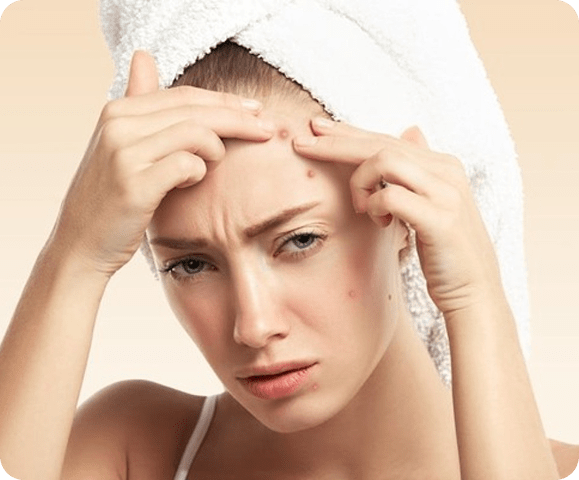
Acne
Acne is a common skin condition that affects millions of people worldwide, characterized by the presence of pimples, blackheads, whiteheads, and sometimes cysts. It mainly appears on the face, neck, shoulders, chest, and back.
Acne can be a source of significant emotional distress and can affect individuals of all ages, though it is most prevalent among teenagers and young adults.
Common Causes of Acne
Understanding the causes of acne is crucial for effective treatment.
- Hormonal shifts: Fluctuations in hormones, particularly androgens, can cause the sebaceous glands to enlarge and produce more oil (sebum). This is common during puberty, menstruation, pregnancy, and menopause.
- Clogged Pores: Excess oil and dead skin cells can clog pores, leading to the formation of blackheads and whiteheads.
- Bacteria: The bacterium Propionibacterium acnes (P. acnes) can thrive in clogged pores, causing inflammation and the formation of pimples.
ADHD
ADHD is a common mental health condition that affects both children and adults. It is characterized by persistent patterns of inattention, hyperactivity, and impulsivity that interfere with daily functioning and social interactions.
Individuals with ADHD may struggle with staying focused, organizing tasks, controlling impulses, and managing time effectively.
Common Causes of ADHD
The exact cause of ADHD is not fully understood, but it is believed to be influenced by a combination of genetic, environmental, and neurological factors. This is why functional and integrative medicine for ADHD is so effective – it looks at all these factors!
Common factors that may contribute to the development of ADHD include:
- Genetics: ADHD tends to run in families, suggesting a strong genetic component. Children with a family history of ADHD are more likely to develop the condition themselves.
- Brain chemistry and structure: Differences in brain structure and neurotransmitter function, particularly involving dopamine and norepinephrine, may play a role in the development of ADHD.
Allergies
Allergies occur when the immune system mistakenly identifies a harmless substance, such as pollen, pet dander, dust mites, or certain foods, as a threat to the body.
In response to exposure to these allergens, the immune system releases chemicals such as histamine, which trigger allergic reactions. Allergies can affect various parts of the body, including the skin, respiratory system, digestive system, and eyes, making functional medicine for allergies an effective treatment path.
Common Causes of Allergies
Allergies can be caused by a combination of genetic, environmental, and lifestyle factors.
Common causes of allergies may include:
- Genetic predisposition: Family history and genetic factors play a significant role in the development of allergies. Individuals with a family history of allergies are more likely to develop allergic conditions themselves.
- Environmental allergens: Exposure to allergens such as pollen, pet dander, dust mites, mold spores, and certain foods can trigger allergic reactions in susceptible individuals.
Arthritis
Arthritis is a common yet often debilitating condition characterized by inflammation and stiffness in the joints.
Let’s take a closer look at its causes, symptoms, home remedies, treatment options, and our specialized approach to managing arthritis with functional medicine.
Common Causes of Arthritis
The exact cause of arthritis depends on the specific type, but common factors that may contribute to the development of arthritis include:
- Genetics: Genetic factors may predispose individuals to certain types of arthritis, particularly autoimmune forms such as rheumatoid arthritis.
Age: The risk of developing arthritis increases with age, particularly osteoarthritis, which is commonly associated with wear and tear on the joints over time. - Joint injury or trauma: Previous joint injuries, such as fractures, dislocations, or ligament tears, may increase the risk of developing osteoarthritis in the affected joint.
Brain Fog
Brain fog, also known as mental fog or cognitive dysfunction, is a common yet often misunderstood condition characterized by a temporary impairment of cognitive function. Let’s delve into the causes, symptoms, home remedies, treatment options, and our specialized approach using functional medicine for brain fog to manage it effectively.
Common Causes of Brain Fog
Brain fog can be caused by a variety of factors, including:
- Sleep disturbances: Poor sleep quality, sleep deprivation, insomnia, or disruptions in sleep patterns can impair cognitive function and contribute to brain fog.
- Stress and anxiety: Chronic stress, anxiety, or overwhelming emotions can affect brain function and lead to difficulties with concentration, memory, and mental clarity.
Diabetes
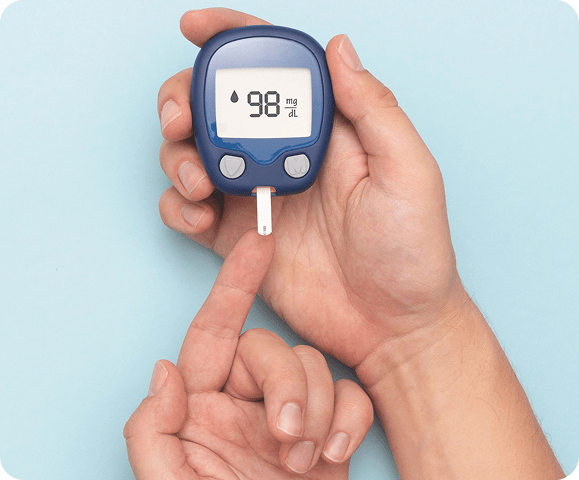
Type 2 diabetes is a chronic condition that affects how the body metabolizes glucose (sugar).
It occurs when the body becomes resistant to insulin, a hormone that regulates blood sugar levels, or when the pancreas fails to produce enough insulin.
Type 2 diabetes accounts for the majority of diabetes cases worldwide and is associated with obesity, sedentary lifestyle, and genetic factors.
Common Causes of Diabetes
The exact cause of type 2 diabetes is multifactorial and involves a combination of genetic, lifestyle, and environmental factors.
Obesity, physical inactivity, unhealthy dietary habits, family history of diabetes, and ethnicity (such as African American, Hispanic, Asian, or Native American descent) are known risk factors for developing type 2 diabetes.
Functional medicine for type 2 diabetes takes all these things into account, making it an effective avenue of treatment.
Hashimoto’s Thyroiditis
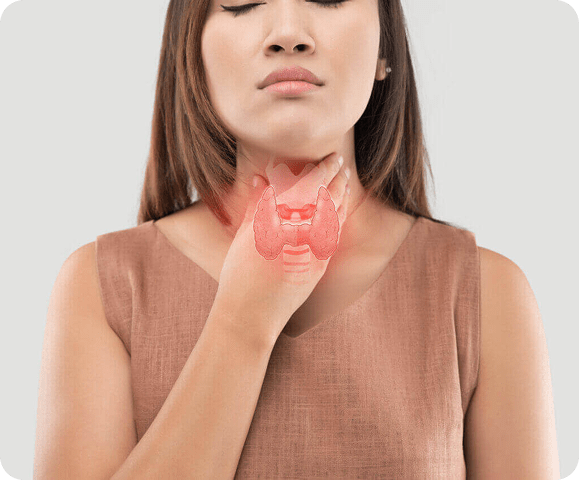
Hashimoto’s thyroiditis is an autoimmune disorder that affects the thyroid gland, causing inflammation and leading to hypothyroidism. In this condition, the body’s immune system mistakenly attacks the thyroid tissue, impairing its ability to produce thyroid hormones adequately.
Hashimoto’s thyroiditis is one of the most common causes of hypothyroidism, particularly in women.
Common Causes of Hashimoto's Thyroiditis
The exact cause of Hashimoto’s thyroiditis is not fully understood, but it is believed to involve a combination of genetic predisposition and environmental factors.
- Certain factors, such as viral infections, hormonal imbalances, and excessive iodine intake, may trigger or contribute to the autoimmune response against the thyroid gland.
- Functional medicine for Hashimoto’s thyroiditis considers all these aspects in its treatment plans.
Hormone Imbalance
Hormone imbalance refers to disruptions in the normal production or function of hormones in the body, leading to various health issues. Let’s explore the causes, symptoms, home remedies, treatment options, and our specialized approach using functional medicine for hormone imbalance to manage them effectively.
Common Causes of Hormone Imbalance
Hormone imbalance can be caused by a wide range of factors, including:
- Chronic stress: Prolonged stress can disrupt the balance of stress hormones such as cortisol, leading to adrenal fatigue and hormone imbalance.
- Aging: As individuals age, hormone production and regulation may decline, leading to imbalance in hormones such as estrogen, progesterone, testosterone, and thyroid hormones.
Hypertension
Hypertension refers to persistently elevated blood pressure levels, where the force of blood against the walls of the arteries is consistently higher than normal.
It is a significant risk factor for various cardiovascular diseases, including heart attack, stroke, and heart failure. Hypertension is often referred to as the “silent killer” because it typically does not cause noticeable symptoms until it reaches a severe or life-threatening stage.
Common Causes of Hypertension
Hypertension refers to persistently elevated blood pressure levels, where the force of blood against the walls of the arteries is consistently higher than normal.
It is a significant risk factor for various cardiovascular diseases, including heart attack, stroke, and heart failure. Hypertension is often referred to as the “silent killer” because it typically does not cause noticeable symptoms until it reaches a severe or life-threatening stage.
Hypothyroidism
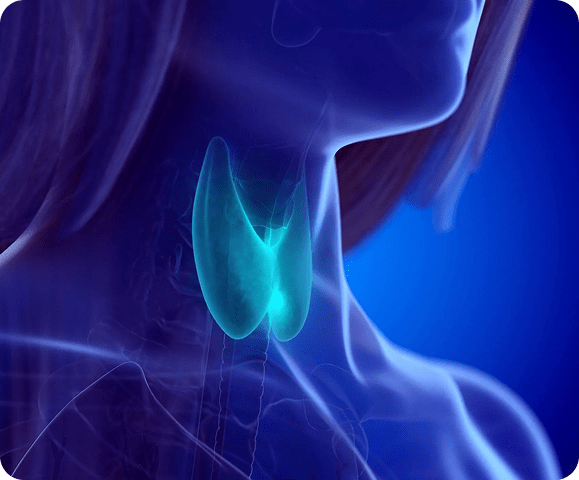
Hypothyroidism is a common thyroid disorder characterized by an underactive thyroid gland, leading to inadequate production of thyroid hormones.
Led by Dr. Kayla Milano, explore the causes, symptoms, home remedies, treatment options, and our specialized functional medicine approach to managing hypothyroidism effectively.
Common Causes of Hypothyroidism
Hypothyroidism can be caused by various factors, including:
- Autoimmune thyroiditis: Hashimoto’s thyroiditis is the most common cause of hypothyroidism, characterized by autoimmune inflammation of the thyroid gland, leading to decreased hormone production.
- Thyroid surgery or radiation therapy: Surgical removal of the thyroid gland (thyroidectomy) or radiation therapy to treat thyroid cancer or other conditions can result in hypothyroidism.
- Medications: Certain medications, such as lithium, amiodarone, interferon-alpha, and tyrosine kinase inhibitors, can interfere with thyroid function and lead to hypothyroidism.
Inflammatory Bowel Disease (IBD)
Inflammatory bowel disease (IBD) is a group of chronic inflammatory conditions affecting the gastrointestinal tract. Let’s check out the causes, symptoms, home remedies, treatment options, and our specialized functional medicine approach to naturally managing IBD effectively.
Common Causes of (IBD)
The exact cause of IBD is not fully understood, but it is believed to involve a combination of genetic, environmental, and immune system factors. Factors such as genetics, immune system dysfunction, gut microbiota, and environmental triggers like diet or stress may contribute to the development of IBD.
This is why functional medicine for inflammatory bowel disease is so effective – we take all factors into account!
Insulin Resistance
Insulin resistance occurs when cells in the body become less responsive to the effects of insulin, a hormone produced by the pancreas to regulate blood sugar levels.
As a result, the pancreas produces more insulin to compensate, leading to higher insulin levels in the blood. Over time, this can contribute to the development of type 2 diabetes and other health complications
Common Causes of Insulin Resistance
The exact cause of insulin resistance is multifactorial and involves a combination of genetic, lifestyle, and environmental factors. Obesity, physical inactivity, unhealthy dietary habits (such as high sugar or high-fat diets), chronic stress, and certain medical conditions (such as polycystic ovary syndrome) are known risk factors for insulin resistance.
Functional medicine for insulin resistance takes all these factors into account, creating an effective and safe treatment path.
Irritable Bowel Syndrome (IBS)
Irritable Bowel Syndrome (IBS) is a chronic gastrointestinal disorder characterized by abdominal pain, bloating, and changes in bowel habits.
It affects the large intestine and can significantly impact quality of life.
Common Causes of Irritable Bowel Syndrome
The exact cause of IBS remains unclear, but various factors contribute to its development.
- These include abnormal muscle contractions in the intestine, oversensitive nerves in the gut, inflammation, bacterial overgrowth, and certain food intolerances.
- Functional medicine for irritable bowel syndrome aims to address all these factors.
Low Estrogen
Low estrogen, also known as estrogen deficiency or hypoestrogenism, is a hormonal imbalance that can affect both women and men.
Let’s check out the causes, symptoms, home remedies, treatment options, and our specialized approach to managing low estrogen effectively with functional medicine.
Common Causes of Low Estrogen
Low estrogen can be attributed to various factors, including:
- Menopause: The most common cause of low estrogen in women is menopause, a natural biological process that occurs as women age and marks the end of their reproductive years. During menopause, ovarian function declines, leading to decreased estrogen production.
Low Libido
Low libido refers to a reduced interest or desire for sexual activity, which can impact individuals of any gender or age group.
While occasional fluctuations in libido are normal, persistent low libido can affect relationships and overall quality of life.
Low libido can be caused by a variety of factors, including physical, psychological, and relational issues, which functional medicine for low libido directly addresses.
Common Causes of Low Libido
Low libido can be caused by a combination of physical, psychological, and relational factors.
Common causes of low libido may include:
- Hormonal imbalances: Fluctuations in hormone levels, such as decreased testosterone in men or estrogen and progesterone in women, can affect sexual desire.
- Medical conditions: Certain medical conditions, such as diabetes, cardiovascular disease, thyroid disorders, hormonal imbalances, and chronic illnesses, can contribute to low libido.
- Medications: Some medications, including antidepressants, antipsychotics, blood pressure medications, and hormonal contraceptives, can affect libido as a side effect.
Low Testosterone
Low testosterone, also known as testosterone deficiency or hypogonadism, is a condition characterized by abnormally low levels of testosterone in the body. Let’s explore the causes, symptoms, home remedies, treatment options, and our specialized approach to managing low testosterone effectively with functional medicine.
Common Causes of Low Testosterone
Low testosterone can manifest in a variety of symptoms, which may vary in severity among affected individuals.
Common symptoms of low testosterone may include:
- Reduced libido (sex drive)
- Erectile dysfunction (difficulty achieving or maintaining erections)
- Decreased muscle mass and strength
- Fatigue or lack of energy
- Mood changes, such as depression or irritability
- Difficulty concentrating or memory problems
- Loss of body hair or reduced growth of facial and body hair
- Decreased bone density (osteoporosis)
- Increased body fat, particularly around the abdomen
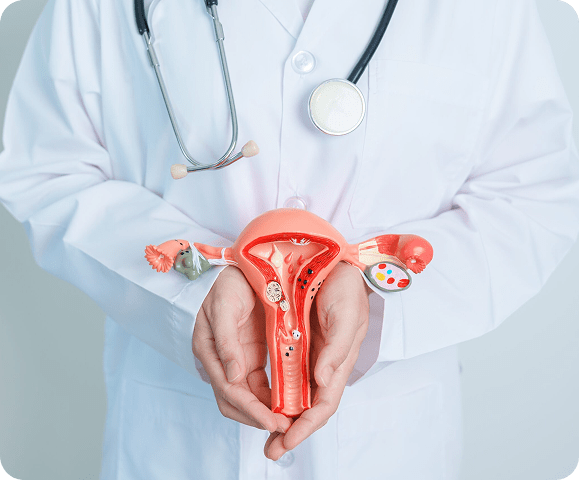
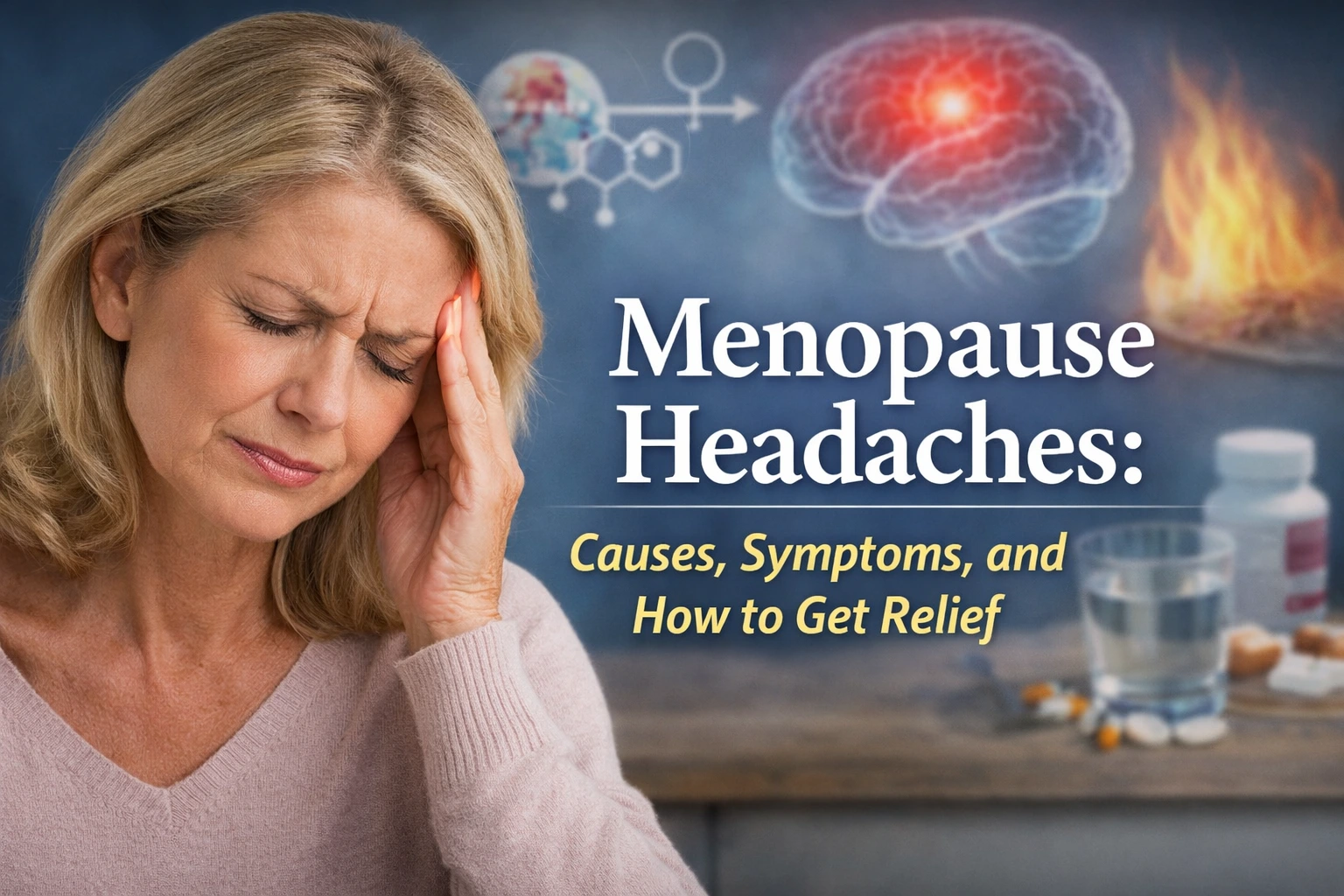
Menopause
Menopause is a natural biological process that marks the end of a woman’s reproductive years.
Let’s explore the causes, symptoms, home remedies, treatment options, and our specialized approach to managing menopause effectively with functional medicine.
Common Causes of Menopause
The primary cause is the natural depletion of ovarian follicles, which are the structures in the ovaries that contain eggs. As women age, the number of ovarian follicles diminishes, leading to decreased production of estrogen and progesterone hormones.
Other factors that can contribute to menopause include:
- Genetic factors: Family history and genetics can influence the timing of menopause, with some women experiencing menopause earlier or later than average.
- Medical treatments: Certain medical treatments, such as chemotherapy or radiation therapy for cancer, can damage the ovaries and induce menopause prematurely.
Obesity
Obesity is a complex metabolic disorder characterized by an excessive accumulation of body fat, leading to adverse health effects. It is typically determined by body mass index (BMI), with a BMI of 30 or higher considered obese.
Obesity increases the risk of various health conditions, including heart disease, type 2 diabetes, stroke, and certain cancers.
Common Causes of Obesity
Obesity develops from a combination of genetic, environmental, and lifestyle factors.
- Factors such as genetics, metabolism, socioeconomic status, dietary habits, physical activity level, and environmental influences play significant roles in the development of obesity.
- Consuming excess calories, particularly from high-fat and high-sugar foods, coupled with a sedentary lifestyle, contributes to weight gain and obesity.
Perimenopause
Perimenopause, also known as the menopausal transition, is the period leading up to menopause when a woman’s ovaries gradually start producing less estrogen.
It typically begins several years before menopause, usually in a woman’s 40s, but can start earlier for some women.
During perimenopause, hormone levels fluctuate, menstrual cycles become irregular, and women may experience a variety of symptoms associated with hormonal changes.
Common Causes of Perimenopause
Perimenopause occurs as a result of age-related changes in the ovaries and hormonal fluctuations.
The primary cause is the natural depletion of ovarian follicles, which are the structures in the ovaries that contain eggs. As women age, the number of ovarian follicles diminishes, leading to decreased production of estrogen and progesterone hormones.
Other factors that can contribute to perimenopause include:
- Genetics: Family history and genetics can influence the timing and duration of perimenopause, with some women experiencing it earlier or later than others.
PCOS
Polycystic ovary syndrome (PCOS) is a common hormonal disorder that affects reproductive-aged individuals, causing irregular menstrual cycles, ovarian cysts, and hormonal imbalances.
Let’s take a closer look at the causes, symptoms, home remedies, treatment options, and our specialized approach to managing PCOS with functional medicine effectively.
Common Causes of PCOS
The exact cause of PCOS is not fully understood, but it is believed to involve a combination of genetic, hormonal, and lifestyle factors.
Insulin resistance, elevated levels of androgens (male hormones), and abnormal levels of other hormones such as insulin, luteinizing hormone (LH), and follicle-stimulating hormone (FSH) play key roles in the development of PCOS. Genetic predisposition, obesity, and environmental factors may also contribute to the development of PCOS.
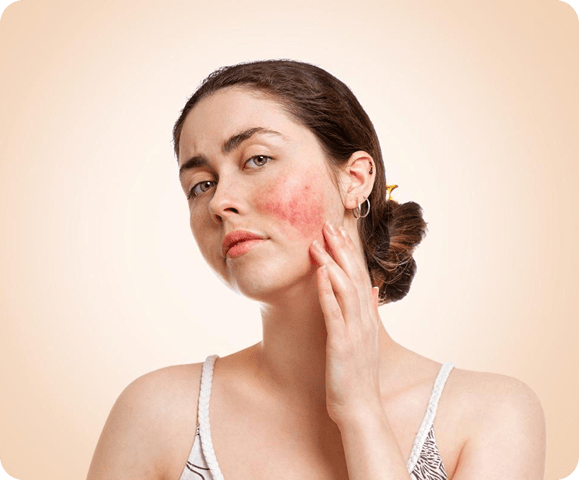
Rosacea
Rosacea is a chronic inflammatory skin condition characterized by facial redness, flushing, visible blood vessels, and acne-like bumps.
Let’s dive into the causes, symptoms, home remedies, treatment options, and our functional medicine approach to managing rosacea effectively and safely.
Common Causes of Rosacea
The exact cause of rosacea is not fully understood, but it is believed to involve a combination of genetic, environmental, and vascular factors.
Common triggers for rosacea flare-ups may include:
- Abnormalities in the immune system: Dysregulation of the immune system may contribute to inflammation and vascular changes in the skin associated with rosacea.
- Demodex mites: These microscopic mites that live on the skin may play a role in the development of rosacea, particularly in individuals with an overgrowth of mites.
Ulcerative Colitis
Ulcerative colitis is an inflammatory bowel disease characterized by inflammation and ulcers in the lining of the colon and rectum.
It causes symptoms such as abdominal pain, diarrhea, rectal bleeding, and urgency to have bowel movements.
Common Causes of Ulcerative Colitis
The exact cause of ulcerative colitis is unknown, but it is believed to involve a combination of genetic, environmental, and immune system factors.
Factors such as genetics, immune system dysfunction, and environmental triggers like stress or certain foods may contribute to the development of the condition, making functional medicine for ulcerative colitis perfect for uncovering and treating the root cause.
Shop
At California Concierge Medicine, we offer a personalized, concierge-style approach to hormone therapy, meticulously designed to align with your unique health profile. Our goal is to provide exceptional outcomes in wellness and performance, empowering you to reclaim your vitality.
Blogs
Insights, education, and expert guidance to help you take control of your health — one article at a time.
- Kayla Milano, MD
- Kayla Milano, MD
- Kayla Milano, MD
- Kayla Milano, MD
Book Your Appointment Today
Fill out the form below to schedule your visit with our expert team. We’re here to help you stay healthy.