
Functional Medicine for Perimenopause
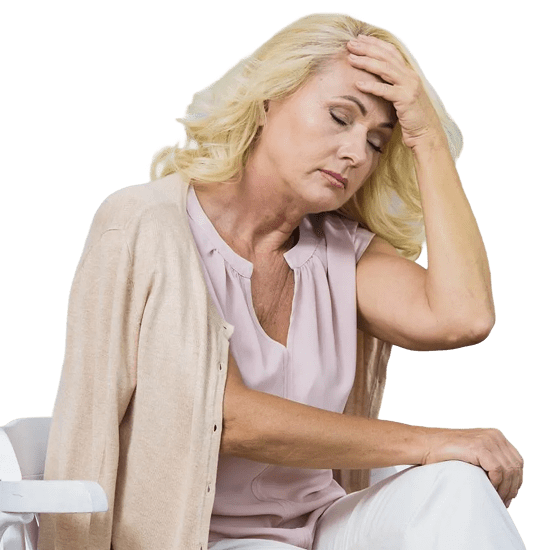
Perimenopause, also known as the menopausal transition, is the period leading up to menopause when a woman’s ovaries gradually start producing less estrogen.
It typically begins several years before menopause, usually in a woman’s 40s, but can start earlier for some women.
Functional Medicine for Perimenopause
Perimenopause, also known as the menopausal transition, is the period leading up to menopause when a woman’s ovaries gradually start producing less estrogen.
It typically begins several years before menopause, usually in a woman’s 40s, but can start earlier for some women.
What Causes Perimenopause?
Perimenopause occurs as a result of age-related changes in the ovaries and hormonal fluctuations.
The primary cause is the natural depletion of ovarian follicles, which are the structures in the ovaries that contain eggs. As women age, the number of ovarian follicles diminishes, leading to decreased production of estrogen and progesterone hormones.
Other factors that can contribute to perimenopause include:
- Genetics: Family history and genetics can influence the timing and duration of perimenopause, with some women experiencing it earlier or later than others.
- Lifestyle factors: Certain lifestyle factors, such as smoking, excessive alcohol consumption, poor diet, and lack of exercise, can accelerate the onset of perimenopause and exacerbate symptoms.
- Medical conditions: Certain medical conditions, such as polycystic ovary syndrome (PCOS), thyroid disorders, and autoimmune diseases, can affect hormone levels and contribute to irregular menstrual cycles and other perimenopausal symptoms.

What Symptoms Will I Experience with Perimenopause?
Perimenopause is associated with a range of symptoms, which can vary in severity among women.
Common symptoms of perimenopause include:
- Irregular menstrual periods: Menstrual cycles may become irregular, with periods becoming lighter or heavier, shorter or longer, or occurring closer together or further apart.
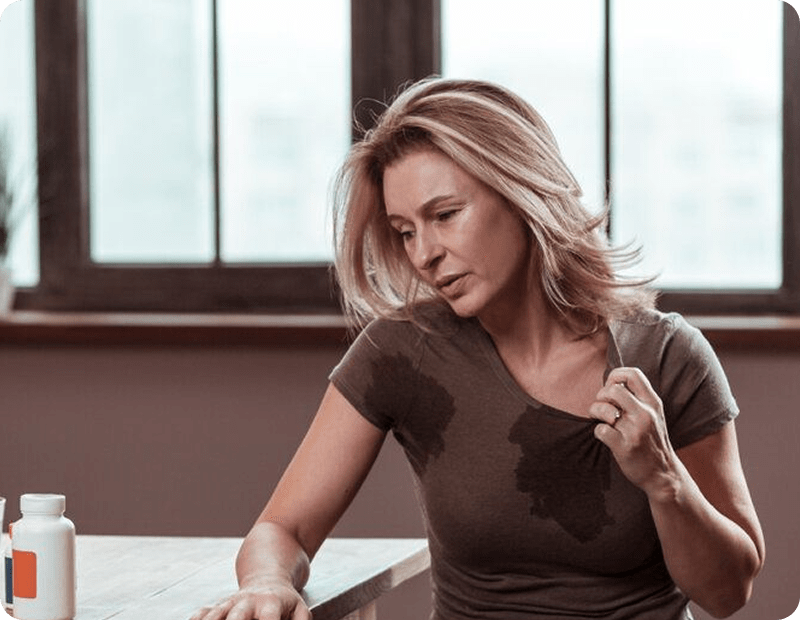
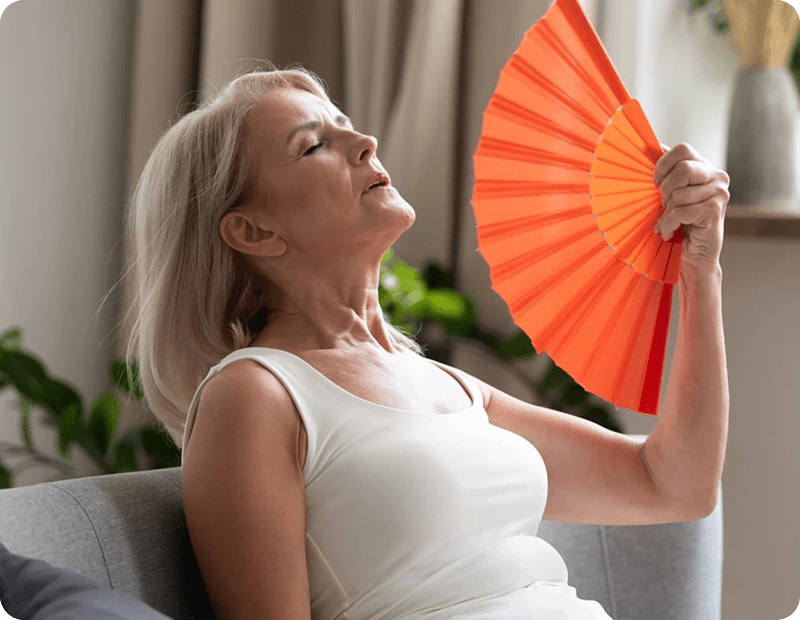
- Hot flashes and night sweats: Sudden feelings of intense heat, usually concentrated around the face, neck, and chest, often accompanied by sweating and followed by chills.
- Vaginal dryness and discomfort: Decreased estrogen levels can lead to thinning and drying of the vaginal tissues, resulting in vaginal dryness, itching, and discomfort during intercourse.
- Mood swings and irritability: Hormonal fluctuations during perimenopause can cause mood swings, irritability, anxiety, or feelings of sadness or depression.
- Sleep disturbances: Changes in hormone levels and hot flashes can disrupt sleep patterns, leading to difficulty falling asleep or staying asleep (insomnia).
- Fatigue and low energy: Many women experience fatigue, low energy levels, or a general sense of malaise during perimenopause.
- Changes in libido: Decreased estrogen levels can affect sexual desire and arousal, leading to changes in libido or sexual function.
- Joint pain and stiffness: Some women may experience joint pain, stiffness, or muscle aches during perimenopause.
What Should I Try at Home Before Seeing a Provider for Perimenopause?
Before seeking medical advice for perimenopause, women can try several home remedies and lifestyle modifications to help manage symptoms and improve overall well-being.
These may include:
- Healthy diet: Consuming a balanced diet rich in fruits, vegetables, whole grains, lean proteins, and healthy fats can support overall health and hormone balance during perimenopause.
- Regular exercise: Engaging in regular physical activity, such as walking, swimming, cycling, or yoga, can help improve mood, reduce stress, and alleviate symptoms such as hot flashes and joint pain.
- Stress management: Practicing stress-reducing techniques such as deep breathing exercises, meditation, or yoga can help lower stress levels and improve overall well-being during perimenopause.
- Adequate sleep: Prioritizing good sleep hygiene and aiming for 7-9 hours of quality sleep per night can help reduce symptoms such as insomnia and fatigue associated with perimenopause.
- Vaginal lubricants or moisturizers: For women experiencing vaginal dryness or discomfort during intercourse, over-the-counter vaginal lubricants or moisturizers can help provide relief and improve sexual function.

Best Treatment Options for Perimenopause
Functional medicine for perimenopause aims to alleviate symptoms, prevent complications, and improve overall quality of life.
Treatment options may include:
- Hormone replacement therapy (HRT): HRT involves taking estrogen and progesterone hormone therapy to alleviate symptoms such as hot flashes, vaginal dryness, and mood swings associated with perimenopause.
- Non-hormonal medications: Certain medications such as selective serotonin reuptake inhibitors (SSRIs), serotonin-norepinephrine reuptake inhibitors (SNRIs), or gabapentin may be prescribed to help alleviate symptoms such as hot flashes, mood swings, or insomnia in women who cannot or prefer not to take hormone therapy.
- Lifestyle modifications: Adopting healthy lifestyle habits such as maintaining a balanced diet, regular exercise, stress management, and adequate sleep can help alleviate symptoms and improve overall well-being during perimenopause.
Functional Medicine for Perimenopause
We specialize in the comprehensive evaluation and management of perimenopause to help women navigate this transition with confidence and support.
- Our approach involves a thorough assessment, including a detailed medical history, physical examination, hormone testing, and evaluation of symptoms and lifestyle factors.
- Based on the results, we develop personalized treatment plans tailored to each patient’s specific needs, goals, and preferences.
- Our team of experienced healthcare professionals, including gynecologists, endocrinologists, and menopause specialists, collaborates closely with each patient to implement evidence-based treatment strategies, monitor progress, and provide ongoing support and guidance.
- We prioritize patient education, empowerment, and holistic care to ensure the best possible outcomes and long-term well-being during perimenopause.
Ready To Experience Care That’s As Unique As You Are?
Explore our services, book your consultation, and start your journey to feeling your best—today.
Blogs
Insights, education, and expert guidance to help you take control of your health — one article at a time.

- Kayla Milano, MD
- Kayla Milano, MD
- Kayla Milano, MD
- Kayla Milano, MD
Book Your Appointment Today
Fill out the form below to schedule your visit with our expert team. We’re here to help you stay healthy.