Osteoarthritis treatment encompasses a variety of strategies aimed at reducing pain, improving joint function, and enhancing the quality of life for individuals suffering from this degenerative joint disease. Treatment plans can include medication, physical therapy, lifestyle changes, and in some cases, surgical interventions. The goal is to tailor the treatment to each patient’s unique needs and circumstances.

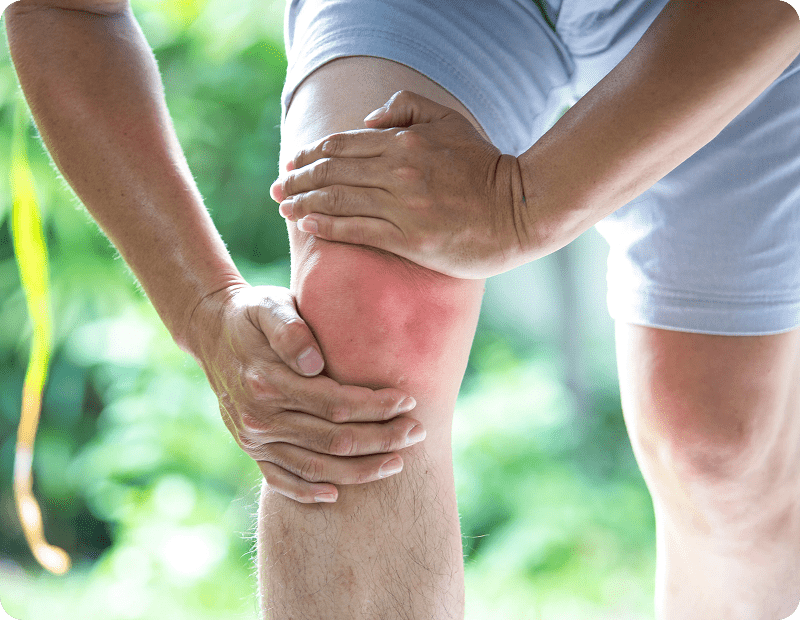
Effective osteoarthritis treatment can significantly reduce the chronic pain associated with the condition. This is achieved through a combination of medications, physical therapy, and other interventions designed to target pain at its source.
Treatment often includes exercises and physical therapy that can help improve joint function and mobility. This can make everyday activities easier and enhance overall physical fitness.
By managing pain and improving mobility, osteoarthritis treatment can greatly enhance your quality of life. You’ll be able to engage in activities you enjoy and maintain your independence.
Early and effective treatment can prevent further joint damage and slow the progression of osteoarthritis. This is crucial for maintaining long-term joint health.
Osteoarthritis treatment is beneficial for anyone experiencing symptoms of the condition, including:
Treatment is particularly important for those whose symptoms interfere with daily activities or significantly impact their quality of life.
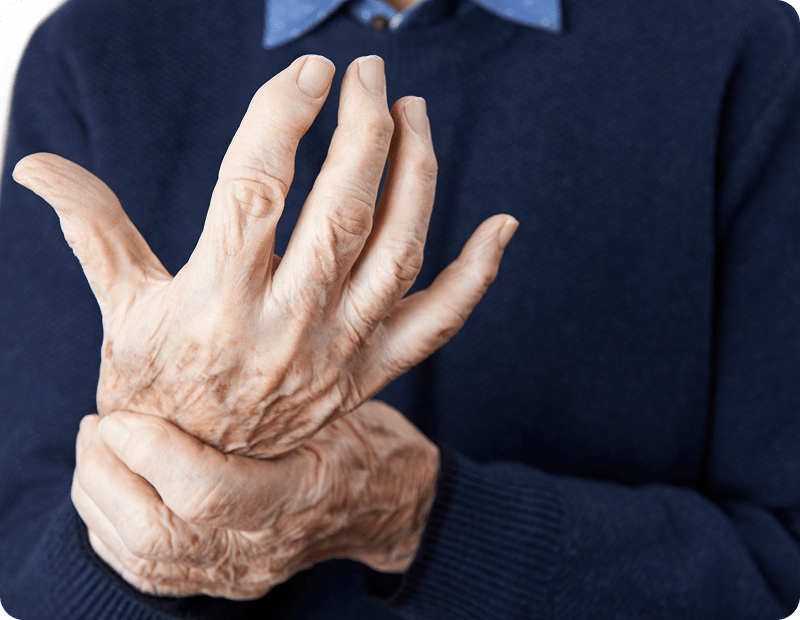

Osteoarthritis treatment is specifically designed to address the symptoms and progression of osteoarthritis, which can affect various joints, including:
In addition to osteoarthritis, some treatments may also be beneficial for other types of arthritis, such as rheumatoid arthritis, and other joint-related conditions.
Before seeking professional treatment, there are several strategies you can try at home to manage osteoarthritis symptoms:
Engaging in low-impact exercises such as walking, swimming, or cycling can help maintain joint function and reduce stiffness.
Excess weight can put additional strain on your joints. Maintaining a healthy weight through diet and exercise can alleviate some of the pressure and reduce pain.
Applying heat or cold packs to affected joints can help reduce pain and inflammation. Heat therapy can relax muscles and improve blood flow, while cold therapy can numb pain and reduce swelling.
Non-prescription medications such as acetaminophen or nonsteroidal anti-inflammatory drugs (NSAIDs) can provide temporary pain relief.
Avoid prolonged periods of inactivity, which can lead to increased stiffness and pain. Gentle stretching exercises can help keep your joints flexible.

Your journey begins with an initial consultation where we discuss your symptoms, medical history, and lifestyle. This helps us understand your unique situation and determine the best course of action.
We conduct a thorough physical examination and may recommend imaging tests such as X-rays or MRI scans to assess the extent of joint damage.
Based on the evaluation, we develop a personalized treatment plan tailored to your specific needs. This plan may include a combination of medication, physical therapy, lifestyle changes, and other interventions.
We provide ongoing support and closely monitor your progress to ensure the treatment is effective. Adjustments to the treatment plan are made as needed to achieve the best possible outcomes.
Insights, education, and expert guidance to help you take control of your health — one article at a time.



Fill out the form below to schedule your visit with our expert team. We’re here to help you stay healthy.
Insights, education, and expert guidance to help you take control of your health — one article at a time.
Fill out the form below to schedule your visit with our expert team. We’re here to help you stay healthy.
