
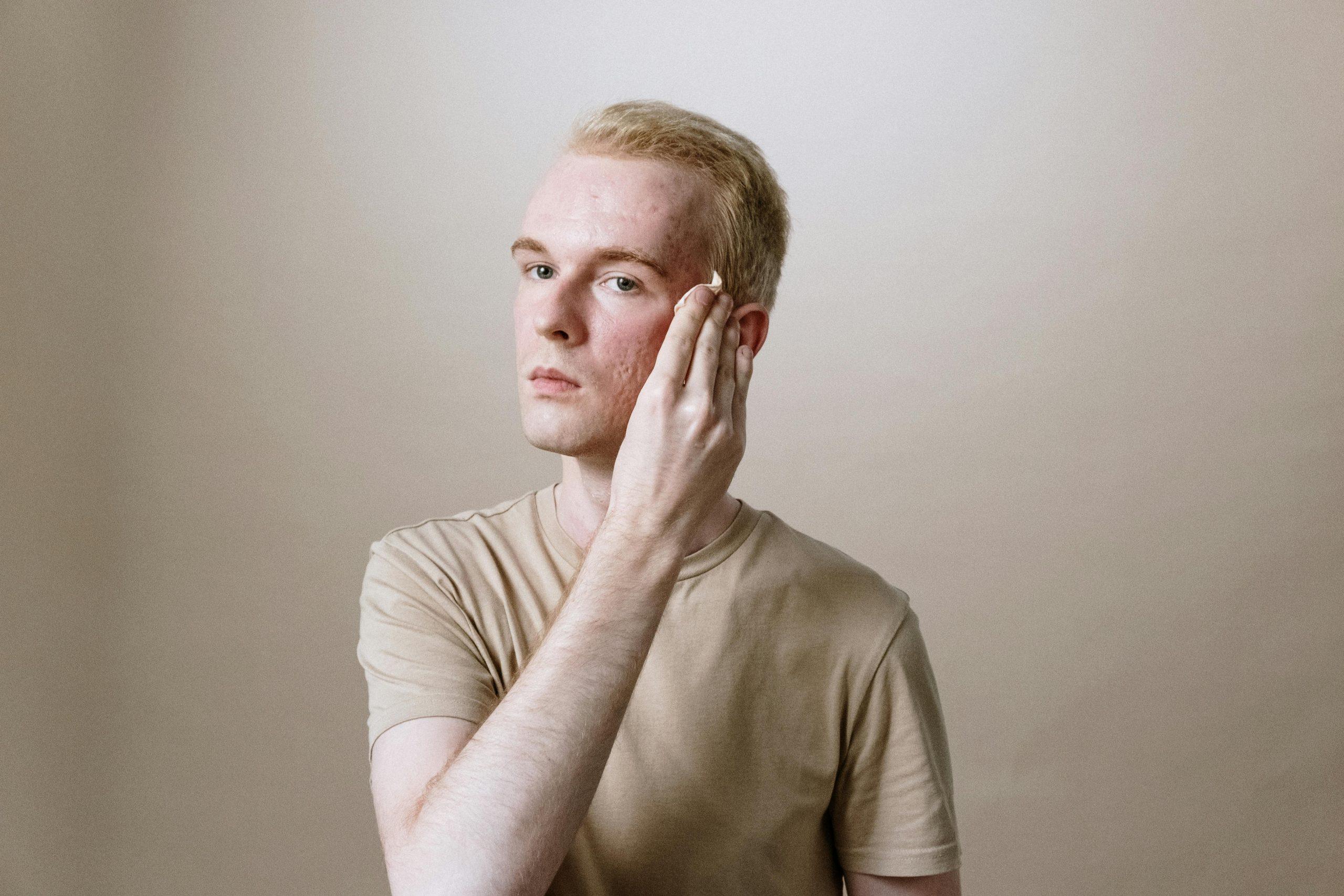
If you’ve started testosterone replacement therapy for low testosterone or your natural testosterone levels have increased, you might notice more breakouts.
This happens because testosterone triggers your body to produce more oil (sebum), which can clog pores and lead to acne.
It’s common on the face, chest, back, and shoulders – basically, anywhere sebaceous glands are most active.
While testosterone acne can be annoying, the good news is that it’s manageable.
Let’s take a look at how you can treat and even prevent most of these testosterone breakouts.
How Long Does Testosterone Acne Last?
There’s no set timeline for how long testosterone acne will stick around.
Some people notice it clears up after a few weeks, while others deal with it longer.
Factors like genetics, skin type, and how your body responds to testosterone therapy all play a role.
Does TRT Acne Go Away?
Yes! Testosterone acne can improve with time, especially if you stay on top of it with the right skincare routine and medical treatments.
Studies show that TRT acne typically peaks around the 6-month mark and falls thereafter.
If left unchecked, though, it may linger.
The key is to be proactive.
Simple Ways to Prevent & Treat Acne From Testosterone
Let’s take a look at how you can treat your acne from testosterone:
Update Your Skincare Routine
- Wash Your Face Twice a Day – Use a gentle, non-comedogenic cleanser that won’t clog pores.
- Moisturize – A light, oil-free moisturizer can help keep your skin balanced. Dry skin can trigger even more oil production.
- Don’t Over-Exfoliate – Exfoliating helps clear dead skin, but too much can irritate your skin and make acne worse. Stick to 1-2 times a week.
- Choose Non-Comedogenic Products – This means your products won’t clog pores, which can reduce breakouts.
Try Over-the-Counter Acne Treatments
- Benzoyl Peroxide – Helps kill acne-causing bacteria and reduce inflammation.
- Salicylic Acid – Clears out pores by breaking down oil and dead skin.
- Retinoids – These promote skin cell turnover and help prevent clogged pores. You can find mild forms over the counter or get stronger versions from a doctor.
Adjust Your Lifestyle
- Watch Your Diet – High-glycemic foods (like sugary snacks) and dairy can sometimes make acne worse. Try cutting back and see if it helps.
- Manage Stress – Stress can spike hormones and make breakouts worse. Activities like yoga, meditation, or just getting outside can help.
- Stay Hydrated – Drinking enough water keeps your skin healthy and can help reduce inflammation.
Get Professional Help if Needed
If acne persists despite these steps, talk to a healthcare provider.
Prescription treatments like antibiotics, hormonal regulators, or stronger topical solutions can make a big difference.
How California Concierge Can Help With Testosterone Acne
At California Concierge, we specialize in testosterone replacement therapy (TRT) and understand how to manage side effects like acne.
We take a personalized approach, creating treatment plans that fit your body’s needs while minimizing the chances of breakouts.
Here’s how we help:
- Customized TRT and BHRT Plans – We tailor your testosterone therapy to balance hormone levels, reducing the risk of excessive sebum production.
- Dermatology Support – Our team can connect you with dermatologists to treat acne directly, while we continue optimizing your TRT.
- Ongoing Monitoring – We track your progress and make adjustments as needed to keep side effects under control.
- Convenient Telehealth – Need follow-ups or treatment adjustments? We make it easy to check in from home.
Want to learn more about how we can help?
Contact us to schedule a consultation today!
Common Myths About Testosterone and Acne
Here are some of the common myths about testosterone and acne:
Myth 1: Acne is Inevitable on TRT
Not true. With the right skincare and medical support, most acne can be controlled or even prevented.
Myth 2: More Testosterone Means More Acne
Higher doses of testosterone don’t always lead to worse acne.
Everyone responds differently, and acne is more about how your body handles the extra hormones.
Myth 3: Acne Means You Should Stop TRT
There’s no need to stop TRT because of acne.
Adjustments to your dosage, skincare, or diet can reduce breakouts without interfering with your treatment.
When to See a Doctor About Testosterone Acne
If your acne is painful, leaving scars, or just not going away, it’s time to consult a professional.
California Concierge is here to help with personalized solutions that treat both your acne and underlying testosterone needs.
Conclusion: How to Get Rid of Acne From Testosterone?
Testosterone acne doesn’t have to derail your TRT journey.
By staying consistent with skincare, making a few lifestyle changes, and seeking professional advice when needed, you can get your skin back on track.
If you’re ready to take control of your health and clear up acne, schedule a consultation with California Concierge today.
Our team is here to guide you every step of the way.
FAQs: How to Get Rid of Acne From Testosterone?
How to Get Rid of Acne From Testosterone?
To get rid of acne from testosterone, start by using a gentle, non-comedogenic cleanser twice daily and apply products with benzoyl peroxide or salicylic acid. Moisturize with oil-free products and avoid over-exfoliating. If acne persists, consult a healthcare provider for prescription treatments or adjust your TRT dosage. California Concierge offers personalized TRT plans to help manage acne effectively.
What is the difference between HRT vs TRT?
Hormone replacement therapy (HRT) is used to restore hormone levels in both men and women, typically addressing estrogen, progesterone, or testosterone deficiencies. Testosterone replacement therapy (TRT), on the other hand, specifically focuses on replenishing testosterone in individuals experiencing low levels of this hormone. TRT is often used to treat low libido, muscle loss, and fatigue in men, while HRT can address broader hormonal imbalances in women.
Can testosterone help you sleep better?
Yes, testosterone can improve sleep quality by promoting deeper, more restorative sleep. However, too much testosterone—especially from TRT—can disrupt sleep patterns, leading to issues like sleep apnea. Balanced levels are key to experiencing the sleep benefits of testosterone.
What is bioidentical testosterone?
Bioidentical testosterone is a form of testosterone that has the same molecular structure as the testosterone naturally produced by your body. It is often used in TRT or HRT because it is believed to be more easily recognized and utilized by the body, potentially resulting in fewer side effects compared to synthetic testosterone.
Can testosterone pellets for women cause acne?
Yes, testosterone pellets can sometimes cause acne in women. The increase in testosterone can lead to higher sebum production, which can clog pores and trigger breakouts. This side effect is usually manageable with proper skincare and adjustments to the dosage.
Does stress lower testosterone?
Yes, chronic stress can lower testosterone levels by increasing cortisol, the body’s primary stress hormone. Elevated cortisol can suppress the production of testosterone, leading to fatigue, low libido, and muscle loss over time. Stress management techniques can help mitigate this effect.
Can testosterone cause acne?
Yes, higher testosterone levels can cause acne by stimulating sebaceous glands to produce more oil. This can lead to clogged pores and breakouts, especially during TRT or periods of hormonal fluctuation.
How do you get rid of testosterone acne?
To manage testosterone acne, use gentle skincare products, wash your face regularly, and apply non-comedogenic moisturizers. Over-the-counter treatments like benzoyl peroxide or salicylic acid can help. In more severe cases, prescription treatments from a dermatologist may be necessary. Adjusting your TRT dosage can also help reduce breakouts.
Which hormone increases acne?
Testosterone and other androgens (like DHT – dihydrotestosterone) are the primary hormones that increase acne by boosting oil production in the skin. Estrogen, on the other hand, often helps reduce acne by balancing these androgens.
How long does testosterone acne last?
Testosterone acne can last for a few weeks to several months, depending on how your body adjusts to TRT or natural hormone fluctuations. With consistent skincare and treatment, most cases improve over time. If acne persists, adjusting your testosterone dosage or seeking medical advice can help.

Dr. Kayla Milano, the founder of California Concierge Medicine, is a board-certified medical professional with deep expertise in functional and integrative medicine, hormone therapy, and regenerative treatments. Known for her patient-first philosophy, Dr. Kayla Milano blends modern science with compassionate care—delivering real solutions that improve quality of life.