
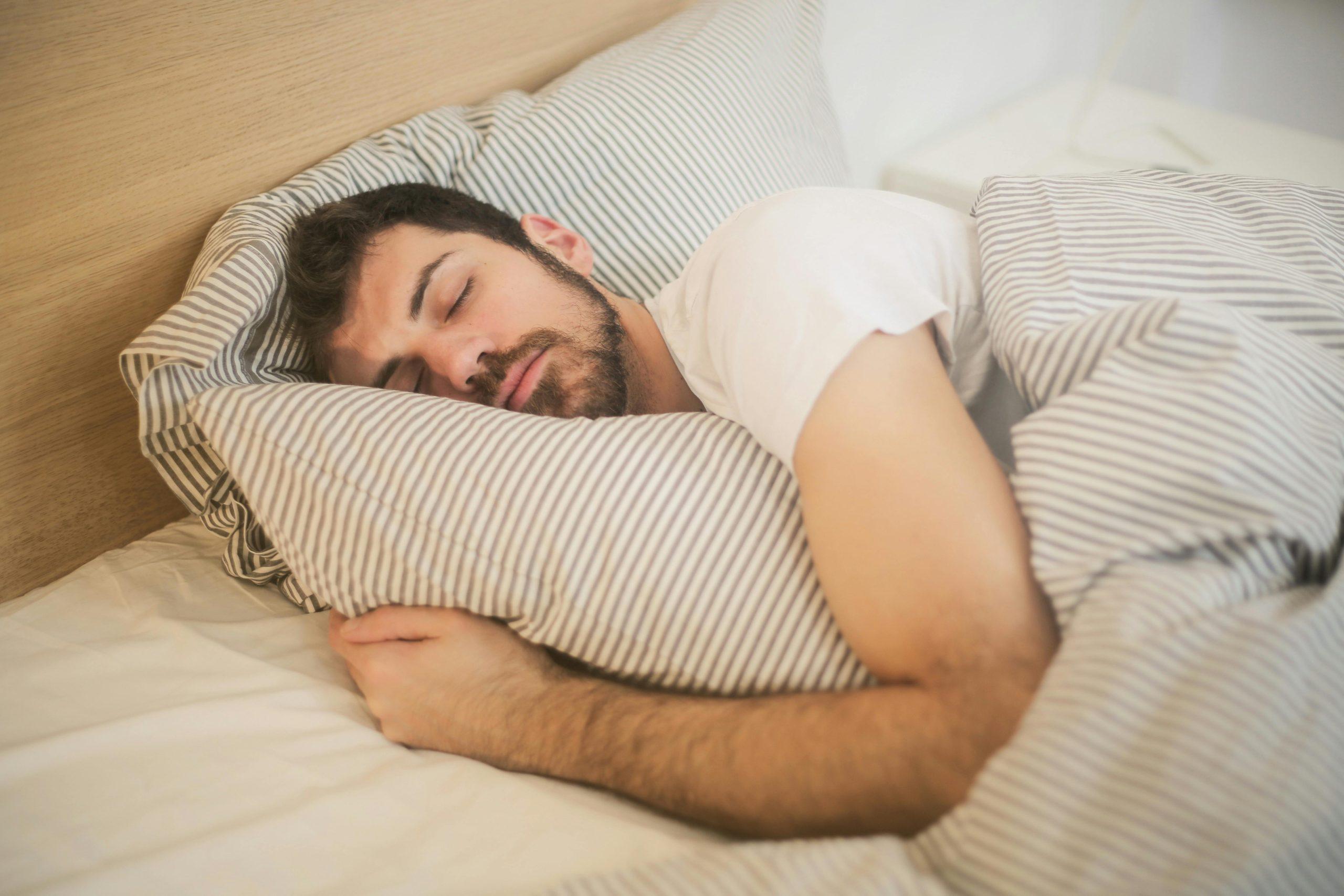
Getting a good night’s sleep isn’t just about feeling well-rested; it’s essential to your physical and mental health.
But if you’re struggling with low energy, insomnia, or frequent wake-ups, low testosterone might be part of the issue.
Many people ask, “does testosterone help you sleep better?”
Let’s explore the relationship between testosterone and sleep quality, practical ways to improve sleep, and how testosterone replacement therapy (TRT) can improve rest.
How Does Testosterone Affect Your Sleep Quality?
Testosterone plays a big role in reaching deep, restorative stages of sleep, like REM (rapid eye movement) and slow-wave sleep.
Both stages are critical for physical and mental recovery.
When testosterone levels are low, you might struggle to enter these deeper stages, which can leave you feeling groggy and fatigued the next day.
Testosterone’s Role in the Body’s Sleep-Wake Cycle
Testosterone naturally follows a daily rhythm, peaking in the morning and gradually declining by the evening.
This cycle aligns with your body’s natural sleep-wake cycle, or circadian rhythm.
If testosterone is out of balance, it can disrupt this cycle, making it harder to get consistent, quality sleep.
Common Signs of Low Testosterone That Can Impact Sleep
Common symptoms of low testosterone that impact sleep include trouble falling asleep, frequent wake-ups, and feeling unrefreshed.
If you’re experiencing insomnia, low energy, or consistently waking up tired, low testosterone might be a factor worth investigating.
Low Testosterone and Its Link to Sleep Apnea
Low testosterone is linked with a higher risk of sleep apnea, a condition where breathing repeatedly stops and starts during sleep.
This can make sleep even more fragmented and exhausting.
California Concierge can help you determine if low testosterone might be contributing to sleep apnea or other sleep-related issues, and whether TRT could be beneficial.
Can Testosterone Replacement Therapy Actually Help You Sleep Better?
For many people, testosterone replacement therapy (TRT) helps restore hormone balance, making it easier to reach and sustain deep sleep.
TRT has been shown to reduce symptoms of low testosterone, including sleep problems like insomnia and low energy.
Research on Testosterone Therapy and Its Effect on Sleep
Studies have found that TRT can improve both sleep duration and depth, especially in REM sleep.
Additionally, TRT can reduce nighttime awakenings, helping people achieve more consistent sleep cycles.
At California Concierge, we specialize in tailored TRT programs to help clients safely experience these benefits.
Our expert team can work with you to create a TRT plan that aligns with your body’s needs, helping you achieve restful sleep and renewed energy.
Practical Tips for Getting Better Sleep with Testosterone Therapy
Timing your TRT dose can make a difference in how it affects sleep.
Generally, aligning TRT with your natural testosterone peaks can help minimize sleep disruptions.
California Concierge can work with you to find the best schedule for your TRT plan to maximize sleep benefits.
If you’re interested in getting a better sleep with TRT, schedule a consultation with California Concierge.
Lifestyle Tips to Support Better Sleep and Healthy Testosterone Levels
There are also natural ways to support your sleep and testosterone levels.
Here are a few practical changes that can help:
- Stay Active: Regular exercise, especially strength training, can increase testosterone levels and support quality sleep.
- Eat Nutrient-Rich Foods: Foods high in vitamin D, zinc, and healthy fats can support testosterone levels.
- Reduce Stress: Chronic stress lowers testosterone, so incorporating stress management techniques like meditation or regular breaks during the day can help.
Are There Risks and Side Effects of Testosterone Therapy on Sleep?
It’s important to consider some of the short and long term side effects that TRT has on sleep:
- TRT and Sleep Apnea: While TRT can support better sleep, it’s essential to know that it may worsen sleep apnea in some cases. At California Concierge, we monitor clients carefully during TRT to address any potential sleep-related issues.
- Temporary Sleep Disturbances: Some individuals may experience mild sleep disturbances when beginning TRT, as hormone levels adjust.
How Can California Concierge Help With Testosterone & Sleep?
At California Concierge, we understand that achieving quality sleep is essential for overall health, and we know how hormone imbalances, like low testosterone, can disrupt sleep patterns.
Our team offers personalized testosterone replacement therapy (TRT) designed to help restore balance, potentially improving your ability to fall and stay asleep.
- Personalized Testosterone Replacement Therapy: California Concierge specializes in TRT programs like bioidentical testosterone for men that are customized to your unique health profile and goals. By conducting thorough assessments and hormone testing, we identify whether low testosterone could be affecting your sleep quality. Our tailored TRT plans aim to help you reach optimal hormone levels, making it easier for you to experience deep, restorative sleep.
- Holistic Support for Better Sleep: In addition to TRT, we provide guidance on lifestyle changes that complement your therapy. Our team can recommend practical steps like dietary adjustments, exercise routines, and stress management techniques to naturally support testosterone levels and promote better sleep.
- Ongoing Monitoring and Adjustments: At California Concierge, your safety and well-being are our top priorities. We closely monitor your progress during TRT and make adjustments as needed to ensure you’re getting the maximum benefit without disrupting your sleep.
If you’re ready to explore how balanced testosterone levels could help improve your sleep, contact California Concierge for a consultation.
Our specialists are here to support you in achieving restful nights and better health.
Conclusion
Restful sleep is possible with the right hormone balance.
If you’re dealing with low testosterone and struggling to get a good night’s sleep, TRT may be the solution you need.
At California Concierge, we specialize in personalized TRT plans that support healthy sleep and renewed energy.
Reach out to California Concierge today to schedule a consultation and find out how we can help you achieve the restful sleep you deserve.
FAQs
What are the signs of high testosterone?
High testosterone may cause symptoms like acne, increased body hair, mood swings, and heightened aggression. It can also lead to high blood pressure and changes in cholesterol levels.
Does testosterone help you sleep better?
Yes, balanced testosterone levels can improve sleep quality, particularly by helping you reach deeper sleep stages. For those with low testosterone, therapy may support better rest.
What are the signs of low testosterone?
Low testosterone can lead to fatigue, low energy, decreased libido, mood changes, trouble sleeping, and loss of muscle mass. Some may also experience difficulty concentrating.
Does testosterone help you sleep better?
Yes, balanced testosterone levels can improve sleep quality, especially in reaching deeper sleep stages. For those with low testosterone, therapy may support better rest.
Can low testosterone cause sleep apnea?
Low testosterone has been linked to a higher risk of sleep apnea. For some, balancing hormone levels may help reduce sleep apnea symptoms.
What are natural ways to increase testosterone for better sleep?
Regular exercise, a balanced diet rich in nutrients like vitamin D and zinc, stress management, and adequate sleep can all help naturally support testosterone levels.
Does TRT cause infertility?
TRT can reduce sperm production, potentially impacting fertility. If maintaining fertility is a priority, discuss options with your provider before starting TRT.

Dr. Kayla Milano, the founder of California Concierge Medicine, is a board-certified medical professional with deep expertise in functional and integrative medicine, hormone therapy, and regenerative treatments. Known for her patient-first philosophy, Dr. Kayla Milano blends modern science with compassionate care—delivering real solutions that improve quality of life.