
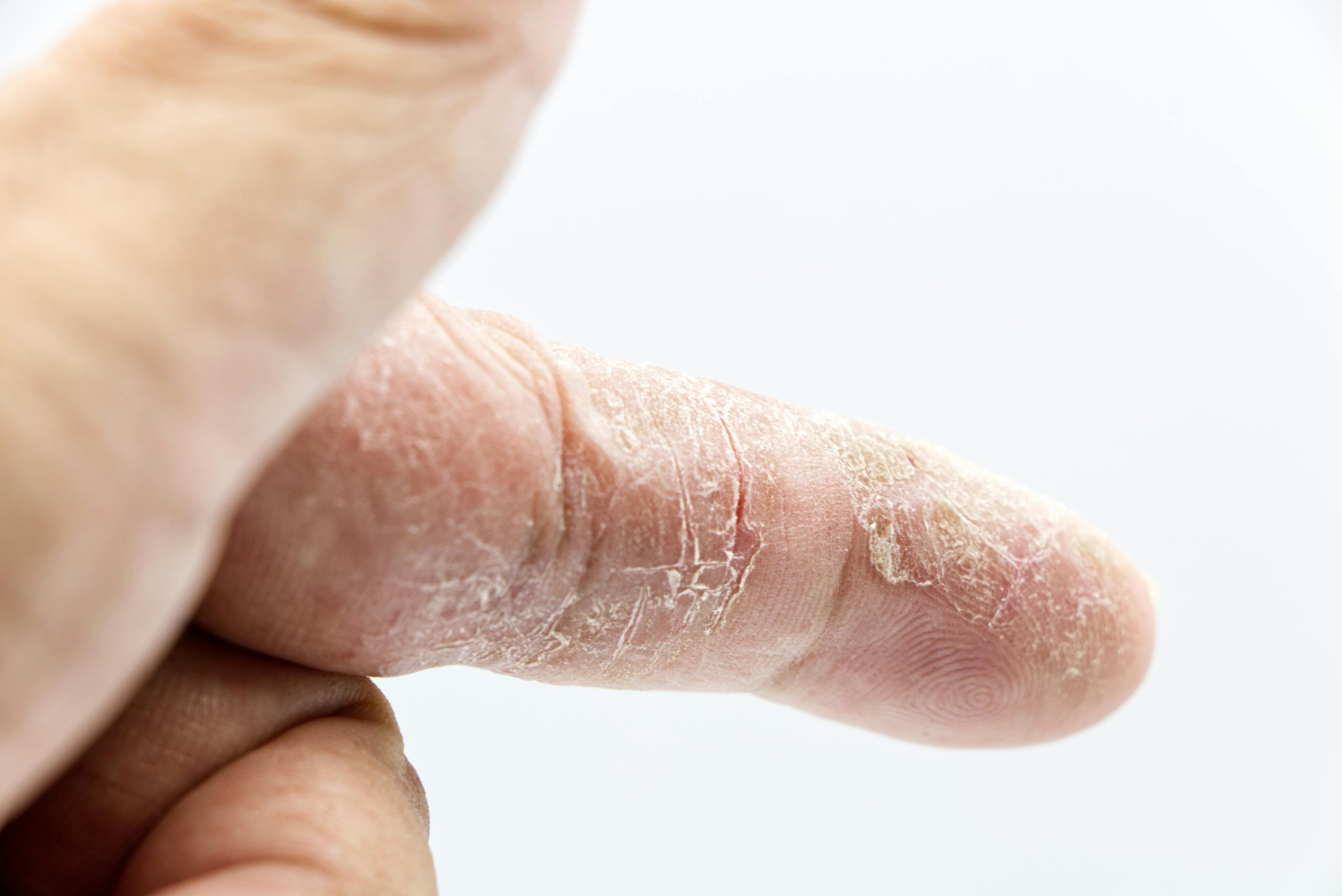
Yes, perimenopause can cause dry skin because fluctuating estrogen levels reduce your skin’s natural oils, hydration, and collagen production.
The good news?
With the right skin care, nutrition, and hormone support, you can restore softness and glow at any age.
At California Concierge Medicine, we help women understand and treat the root causes of perimenopausal skin changes through personalized care, including hormone replacement therapy (HRT) when appropriate.
GET HELP WITH YOUR PERIMENOPAUSE SYMPTOMS
What Is Perimenopause?
Perimenopause is the transition phase before menopause, when estrogen lowers and progesterone levels begin to fluctuate.
This can start in your late 30s or 40s and last anywhere from a few months to several years.
During this time, many women notice changes that go beyond hot flashes or irregular periods.
One of the most common and often overlooked is dry skin.
Does Perimenopause Cause Dry Skin?
Simply put, yes.
Perimenopause often leads to dry skin because of estrogen decline.
Estrogen helps maintain hydration, elasticity, and the skin’s protective barrier.
When levels drop or fluctuate, your skin loses its ability to hold water and stay supple.
Here’s what happens behind the scenes:
| Hormone | What It Does for Skin | What Happens During Perimenopause | Visible Effects |
| Estrogen | Supports collagen, oil production, and moisture retention | Levels fluctuate and gradually decline | Dryness, thinner skin, fine lines |
| Progesterone | Helps regulate oil glands and skin firmness | Drops with age and stress | Dull tone, uneven texture |
| Testosterone | Supports sebum (oil) production | Can dip or spike | Breakouts or dryness, depending on level |
These hormonal shifts make it harder for your skin to retain moisture, leading to tightness, flaking, and irritation, what many describe as “dry skin perimenopause.”
Signs Your Dry Skin Is Linked to Perimenopause
Wondering if your dryness is hormone-related?
Look for these telltale signs:
- Rough, flaky texture that doesn’t improve with moisturizer
- Skin that feels tight after cleansing
- Sensitivity to products you’ve used for years
- Dullness or loss of elasticity
- Itchiness on arms, legs, or face without a rash
If this sounds familiar, you’re likely seeing the effects of perimenopause and dry skin combined, not just normal aging.
How to Relieve Dry Skin in Perimenopause
Let’s take a look at how you can manage your dry skin during perimenopause:
1. Use Gentle Cleansers
Switch to hydrating, non-foaming cleansers with ingredients like glycerin or ceramides.
Avoid alcohols, sulfates, and overly hot showers that strip natural oils.
2. Moisturize Strategically
Apply moisturizer right after bathing to trap water in your skin.
Look for rich creams containing:
- Hyaluronic acid for deep hydration
- Ceramides to repair the barrier
- Shea butter or squalane for softness. Apply twice daily, morning and night and don’t forget your neck and chest.
3. Protect Your Skin Daily
Thinner, drier skin is more vulnerable to sun damage.
Use broad-spectrum SPF 30 or higher year-round.
Daily sunscreen helps prevent worsening dryness and premature aging.
4. Support Skin from the Inside Out
Hydration isn’t just topical.
Drink water regularly and include omega-3 fatty acids (salmon, chia seeds, walnuts) and antioxidant-rich foods (berries, leafy greens, olive oil).
These nourish your skin’s lipid barrier from within.
5. Balance Your Hormones Naturally
When estrogen and progesterone drop, restoring hormonal balance can improve skin texture and moisture.
At California Concierge Medicine, we specialize in bioidentical hormone replacement therapy (BHRT) and HRT for women, personalized to your body’s unique needs.
Balancing hormones doesn’t just ease hot flashes and mood swings; studies show it also helps your skin regain hydration, elasticity, and radiance from the inside out.
6. Improve Your Environment
California’s climate, especially with indoor heating or low humidity, can worsen dryness.
Use a humidifier, limit exfoliation, and apply heavier moisturizers during dry seasons.
What Makes California Concierge Medicine Different
While most skincare advice focuses on moisturizers, we look deeper.
Our concierge medicine model allows for comprehensive hormone testing, lifestyle analysis, and personalized skin protocols.
Through HRT, nutritional counseling, and advanced skin treatments, we help women:
- Rebalance hormones naturally and safely
- Strengthen the skin barrier
- Boost collagen and elasticity
- Restore healthy hydration at every layer of the skin
You don’t have to “tough it out” through perimenopause.
When your hormones and skin are in sync, dryness becomes manageable and your confidence returns.
When to See a Doctor About Perimenopausal Dry Skin
If your skin remains dry despite consistent care, or if you notice:
- Persistent itching
- Flaky patches that don’t heal
- Redness or inflammation
- Sudden changes in skin texture
…it’s time for a professional evaluation.
These could signal thyroid imbalance, eczema, or vitamin deficiencies that mimic perimenopausal dryness.
At California Concierge Medicine, we combine lab testing, hormone analysis, and dermatologic insight to find the real cause, then design a solution that fits your body and lifestyle.
The Takeaway
Perimenopause and dry skin often go hand in hand, but you don’t have to accept it as part of aging.
The underlying cause isn’t just dryness, it’s hormonal imbalance.
Through personalized hormone replacement therapy, lifestyle guidance, and advanced skincare, California Concierge Medicine helps women restore balance, comfort, and confidence, from the inside out.
If your skin feels different lately, it may be your body’s way of asking for better balance.
Schedule a consultation today and discover how HRT for women can help you look and feel your best through every stage of perimenopause.
FAQs: Perimenopause Dry Skin
How do you treat dry skin during perimenopause?
You can treat dry skin during perimenopause by using gentle cleansers, applying rich moisturizers with ceramides or hyaluronic acid, staying hydrated, and balancing hormones through personalized care like HRT at California Concierge Medicine.
What does perimenopausal skin look like?
Perimenopausal skin often appears dull, dry, or flaky, with increased sensitivity and fine lines. These changes occur due to hormonal fluctuations that weaken the skin’s barrier and reduce collagen and moisture retention.
Is dry skin a symptom of low estrogen?
Yes. Low estrogen decreases your skin’s natural oil production and reduces collagen and hyaluronic acid levels, leading to dryness, thinning, and a loss of elasticity.
How to fix perimenopause dryness?
To fix perimenopause dryness, hydrate inside and out, eat omega-rich foods, use nourishing skincare, avoid hot showers, and consider HRT to restore hormonal balance and improve skin hydration.
Can hormone therapy help dry skin?
Yes. Hormone replacement therapy (HRT) can help replenish declining estrogen levels, improving collagen production, elasticity, and skin hydration from the inside out.
Can menopause cause rosacea?
Yes, hormonal fluctuations during menopause can trigger or worsen rosacea by increasing skin sensitivity and vascular activity, leading to redness and flushing.
What is the best natural estrogen replacement?
Bioidentical hormone replacement therapy (BHRT) is often considered the best natural estrogen replacement because it uses plant-derived hormones that closely match the body’s own estrogen.
What is hormonal eczema?
Hormonal eczema is skin irritation or inflammation triggered by hormonal changes, often seen during perimenopause. It causes dry, itchy patches that may worsen with stress or low estrogen levels.
What is HRT vs TRT?
HRT (hormone replacement therapy) is used to restore estrogen and progesterone in women, while TRT (testosterone replacement therapy) helps men increase low testosterone levels. Both aim to rebalance hormones but serve different needs.

Dr. Kayla Milano, the founder of California Concierge Medicine, is a board-certified medical professional with deep expertise in functional and integrative medicine, hormone therapy, and regenerative treatments. Known for her patient-first philosophy, Dr. Kayla Milano blends modern science with compassionate care—delivering real solutions that improve quality of life.