
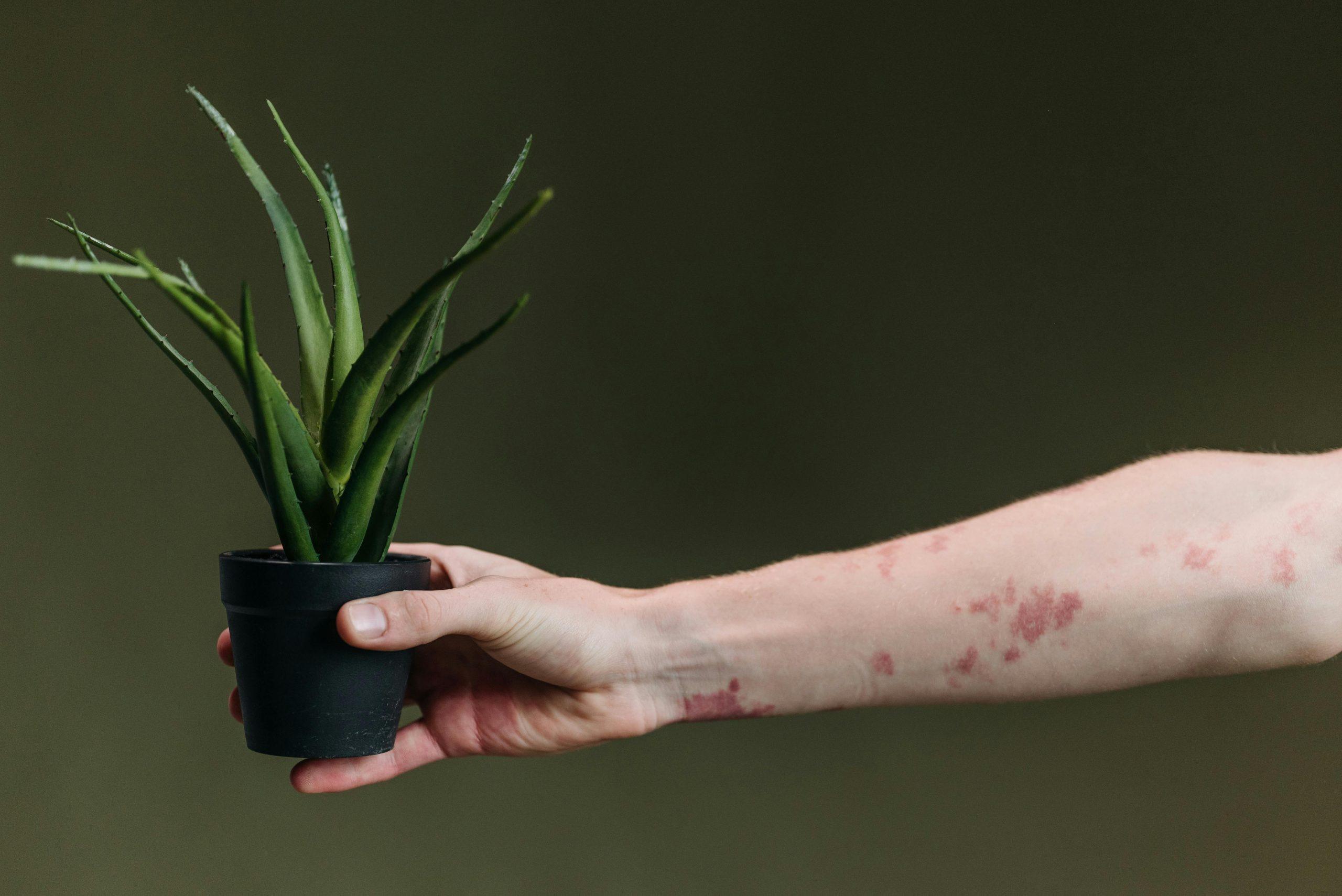
If you’ve been dealing with stubborn eczema that flares up at certain times, your hormones could be to blame.
Hormonal eczema happens when changes in your hormone levels impact your skin, making it more prone to dryness, inflammation, and irritation.
In this guide, we’ll break down what hormonal eczema is, why it happens, and how to manage it.
What Is Hormonal Eczema?
Hormonal eczema is a type of eczema that flares up when hormone levels shift.
These fluctuations can affect your skin’s barrier and immune response, leading to inflammation and irritation.
This often happens during certain life stages or events like puberty, pregnancy, menopause, or perimenopause but it can also be tied to stress or other hormonal imbalances.
Understanding the connection between hormones and your skin is the first step in finding relief.
How Hormones Affect Eczema
Let’s take a look at how hormones can affect eczema:
Key Hormones at Play
- Estrogen and Progesterone: These hormones fluctuate during the menstrual cycle, pregnancy, and menopause. Low estrogen can dry out your skin, making it more vulnerable to eczema.
- Cortisol: High cortisol levels, often triggered by stress, can weaken your skin’s barrier and worsen inflammation.
- Thyroid Hormones: Thyroid imbalances can make your skin dry and irritated, creating the perfect storm for flare-ups.
When Hormonal Eczema Is Likely to Flare
- Puberty: Hormonal surges can make skin more sensitive.
- Menstrual Cycle: Flare-ups are common just before your period when estrogen drops.
- Pregnancy: Hormonal changes during pregnancy can either improve or worsen eczema.
- Menopause: Falling estrogen levels can lead to dryness and more frequent flare-ups.
Signs You Might Have Hormonal Eczema
How can you tell if your eczema is linked to hormones?
Look for these patterns:
- Your eczema flares during specific times, like before your period or during stressful periods.
- Your skin feels extra sensitive during hormonal changes.
- You’ve noticed flare-ups during pregnancy, menopause, or other life stages.
If these sound familiar, your hormones could be playing a big role in your eczema.
Common Triggers for Hormonal Eczema
Understanding what triggers your eczema can help you take better control of your skin.
Here are some common culprits:
- Stress: High cortisol levels can trigger inflammation and worsen flare-ups.
- Diet: Eating too much sugar or processed foods can disrupt hormones.
- Environmental Factors: Things like weather changes or irritants in skincare products can worsen eczema during hormonal shifts.
How to Manage Hormonal Eczema
Managing hormonal eczema often requires a combination of lifestyle adjustments and targeted treatments.
Here are some actionable tips:
1. Skincare That Works
- Use fragrance-free, gentle moisturizers to keep your skin hydrated.
- Avoid harsh soaps or exfoliants that strip your skin.
- Look for products with ceramides or hyaluronic acid to support your skin barrier.
2. Reduce Stress
- Practice mindfulness techniques like meditation or yoga.
- Exercise regularly to help lower cortisol levels.
- Get enough sleep—your skin heals best when you’re well-rested.
3. Eat for Healthy Skin
- Add more anti-inflammatory foods like salmon, walnuts, and leafy greens to your diet.
- Avoid sugary snacks and processed foods, which can throw off hormone levels.
- Stay hydrated—dehydrated skin is more prone to irritation.
When You Need Extra Help: Advanced Treatments for Hormonal Eczema
If skincare and lifestyle changes aren’t enough, balancing your hormones might be the key to reducing eczema flare-ups.
How BHRT Can Help
Studies show that Bioidentical Hormone Replacement Therapy (BHRT) can restore balance to your hormones, especially if you’re dealing with menopause, pregnancy-related changes, or irregular cycles.
By addressing the root cause of hormonal imbalances, BHRT can help reduce the frequency and severity of eczema symptoms.
California Concierge’s Role in Your Journey
At California Concierge, we specialize in Bioidentical Hormone Replacement Therapy (BHRT) to help women achieve hormonal balance.
Our customized treatment plans are designed to fit your unique needs, whether you’re experiencing eczema during menopause, pregnancy, or other hormonal changes.
To learn how we can help you take control of your hormones and your skin, schedule a consultation today!
Natural Remedies for Hormonal Eczema
For additional support, here are some natural ways to care for your skin and balance your hormones:
- Supplements: Omega-3s, probiotics, and vitamin D can support skin health.
- Herbal Options: Evening primrose oil and adaptogens like ashwagandha can help with hormonal balance.
- Hydration and Sleep: Drinking enough water and getting good sleep can make a big difference in skin repair and overall health.
Conclusion: Hormonal Eczema
Hormonal eczema doesn’t have to control your life.
By understanding your triggers, caring for your skin, and addressing hormonal imbalances, you can find relief and improve your quality of life.
If you’re ready to explore advanced treatments like BHRT, California Concierge is here to help.
Our team offers personalized care to help you balance your hormones and enjoy healthier, clearer skin.
Contact us to learn more and start your journey toward better skin today.
FAQs: Hormonal Eczema
Can eczema be caused by hormones?
Yes, eczema can be influenced by hormonal changes. Hormones like estrogen, progesterone, and cortisol play a role in skin health and inflammation. Fluctuations during life events such as puberty, pregnancy, menstrual cycles, and menopause can weaken the skin barrier and trigger flare-ups, leading to what is known as hormonal eczema.
What are the pros and cons of hormone pellets?
Hormone pellets, a form of Bioidentical Hormone Replacement Therapy (BHRT), offer steady hormone delivery over time, reducing fluctuations that can cause symptoms like eczema. The pros include convenience, consistency in hormone levels, and long-term effects without daily intervention. The cons may include a potential adjustment period, cost, and the need for a minor procedure to insert the pellets. Always consult a healthcare provider to determine if this option is right for you.
Will testosterone pellets for women help with hormonal eczema?
Testosterone pellets may help women whose hormonal eczema is linked to imbalances involving testosterone or other hormones. These pellets provide consistent hormone levels, which may improve skin health and reduce inflammation. However, the effectiveness depends on the individual’s specific hormonal needs and should be assessed by a medical professional.
What are the differences between BHRT vs HRT?
BHRT (Bioidentical Hormone Replacement Therapy) uses hormones that are chemically identical to those your body produces naturally. HRT (Hormone Replacement Therapy) may use synthetic or animal-derived hormones. BHRT is often tailored to individual needs, while HRT typically follows standard dosages. Many people prefer BHRT for its personalized approach and natural composition, particularly for conditions like hormonal eczema.
How do you get rid of hormonal eczema?
Managing hormonal eczema involves balancing your hormones and caring for your skin. Treatments like BHRT can help regulate hormonal fluctuations, while lifestyle changes such as reducing stress, eating an anti-inflammatory diet, and using gentle skincare products can help minimize flare-ups. Consult a healthcare provider to develop a comprehensive plan that addresses your specific triggers.
Why am I suddenly getting so much eczema?
A sudden increase in eczema could be due to hormonal changes, stress, environmental factors, or new irritants in your skincare or diet. Life events like pregnancy, menopause, or increased stress levels may disrupt your hormonal balance, making your skin more prone to inflammation. Identifying and addressing the root cause is key to managing sudden flare-ups effectively.

Dr. Kayla Milano, the founder of California Concierge Medicine, is a board-certified medical professional with deep expertise in functional and integrative medicine, hormone therapy, and regenerative treatments. Known for her patient-first philosophy, Dr. Kayla Milano blends modern science with compassionate care—delivering real solutions that improve quality of life.