Osteoarthritis Treatment in Folsom, CA

Osteoarthritis is a common condition affecting millions of people worldwide, causing joint pain, stiffness, and reduced mobility. If you’re in Folsom, CA, and looking for effective osteoarthritis treatment, this guide will provide you with all the information you need to understand your options and make informed decisions about your health.

What is Osteoarthritis Treatment in Folsom, CA?

Osteoarthritis treatment encompasses a range of therapies and interventions designed to alleviate the symptoms of osteoarthritis, improve joint function, and enhance the quality of life for those affected by the condition. Treatments can vary from conservative approaches like lifestyle modifications and physical therapy to more advanced interventions such as medications, injections, and in severe cases, surgery.
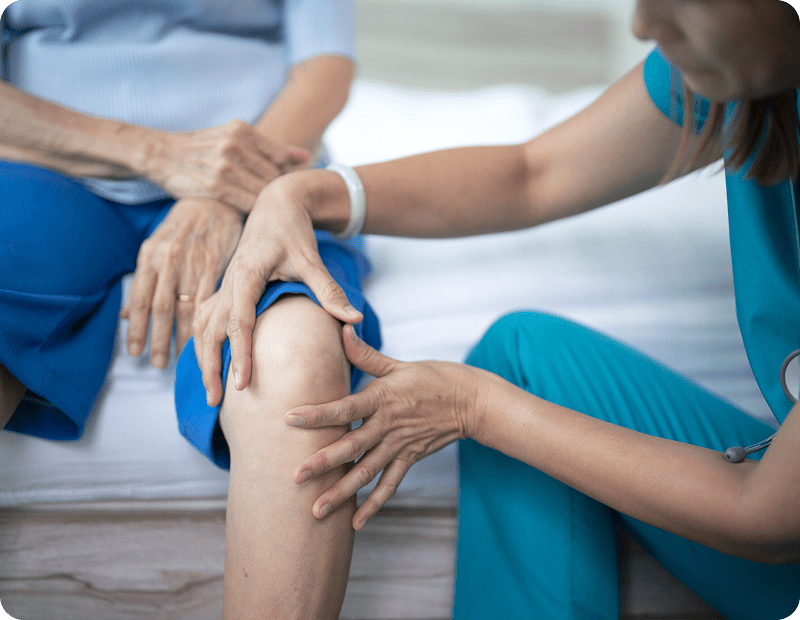

What Are the Benefits of Osteoarthritis Treatment in Folsom, CA?

Effective osteoarthritis treatment offers numerous benefits, including:

  • Pain Relief: Reducing joint pain is a primary goal of osteoarthritis treatment, allowing individuals to perform daily activities with less discomfort.
  • Improved Mobility: Treatments can enhance joint flexibility and range of motion, making it easier to move and stay active.
  • Enhanced Quality of Life: By managing symptoms effectively, individuals can enjoy a better overall quality of life.
  • Delay of Disease Progression: Early and appropriate treatment can slow the progression of osteoarthritis, potentially delaying the need for more invasive procedures.
  • Reduced Inflammation: Certain treatments target inflammation, which can help reduce swelling and further pain.
  • Who is Osteoarthritis Treatment in Folsom, CA Right For?

    Osteoarthritis treatment is suitable for anyone experiencing symptoms of the condition, including:
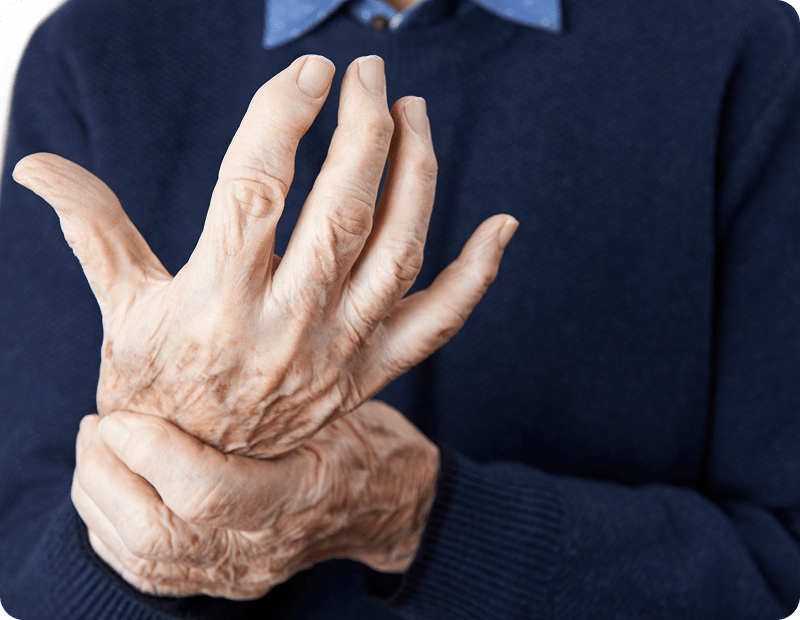

  • Adults and Seniors: Osteoarthritis is more common in older adults, but younger individuals can also be affected, particularly if they have a history of joint injuries or genetic predisposition.
  • Active Individuals: Those who lead active lifestyles and want to maintain their mobility and function can benefit from early intervention.
  • People with Joint Pain: Anyone experiencing joint pain, stiffness, or swelling should seek evaluation and treatment to manage symptoms effectively.
  • What Conditions Can Osteoarthritis Treatment in Folsom, CA Treat?

    Osteoarthritis treatment is primarily focused on managing osteoarthritis, but it can also address related conditions such as:

  • Rheumatoid Arthritis: While different in origin, some treatments for osteoarthritis can also benefit those with rheumatoid arthritis.
  • Joint Injuries: Previous joint injuries can lead to osteoarthritis; treating the underlying injury can help manage osteoarthritis symptoms.
  • Degenerative Joint Disease: Osteoarthritis is a type of degenerative joint disease, and treatments can help manage the broader category of joint degeneration.
  • What Should I Try at Home Before Seeing a Provider for Osteoarthritis Treatment in Folsom, CA?

    Before seeking professional treatment, there are several strategies you can try at home to manage osteoarthritis symptoms:

  • Exercise: Regular, low-impact exercise such as swimming, walking, or cycling can help maintain joint function and reduce pain.
  • Weight Management: Maintaining a healthy weight reduces stress on weight-bearing joints, which can alleviate symptoms.
  • Heat and Cold Therapy: Applying heat or cold packs to affected joints can provide temporary pain relief and reduce inflammation.
  • Over-the-Counter Medications: Non-prescription pain relievers like acetaminophen or NSAIDs can help manage pain and inflammation.
  • Healthy Diet: Eating a balanced diet rich in anti-inflammatory foods can support overall joint health.
  • Our Process for Determining if You Are a Candidate for Osteoarthritis Treatment in Folsom, CA

    At California Concierge Medicine, we follow a thorough process to determine if you are a candidate for osteoarthritis treatment:

  • Initial Consultation: We begin with a comprehensive consultation to understand your symptoms, medical history, and overall health.
  • Physical Examination: A detailed physical examination helps us assess joint function, range of motion, and areas of pain.
  • Diagnostic Tests: Imaging tests such as X-rays or MRIs may be used to get a clearer picture of the affected joints.
  • Personalized Treatment Plan: Based on the findings, we develop a customized treatment plan tailored to your specific needs and goals.
  • Ongoing Monitoring and Adjustment: We continuously monitor your progress and adjust the treatment plan as needed to ensure optimal outcomes.
  • Blogs

    Insights, education, and expert guidance to help you take control of your health — one article at a time.

    Perimenopause usually starts between ages 40 and 44, with the average onset around age 40. However, it can begin as early as the mid-30s or...
    Perimenopause usually starts between ages 40 and 44, with the average onset around age 40. However, it can begin as early as the mid-30s or as late as the late 40s. Most women enter perimenopause about 8 to 10 years before menopause, which officially occurs after 12 consecutive months without...
    Perimenopause usually starts between ages 40 and 44, with the average onset around age 40....
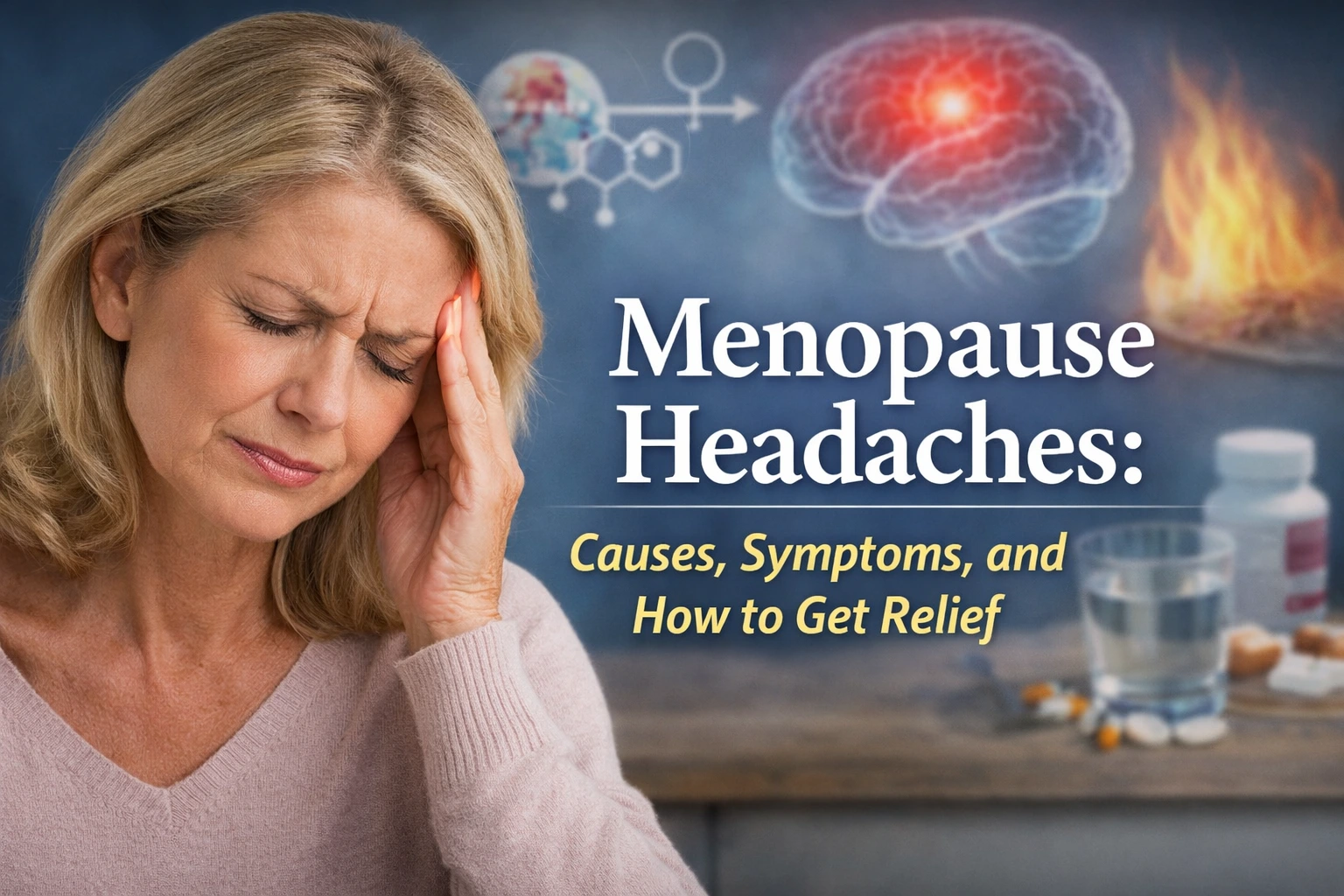
    Menopause headaches are a common but often overlooked symptom that many women experience during perimenopause...
    If you’re exploring hormone replacement therapy (HRT), one of the most common questions is whether...

    Book Your Appointment Today

    Fill out the form below to schedule your visit with our expert team. We’re here to help you stay healthy.

    Blogs

    Insights, education, and expert guidance to help you take control of your health — one article at a time.

    Perimenopause usually starts between ages 40 and 44, with the average onset around age 40. However, it can begin as early as the mid-30s or...
    Perimenopause usually starts between ages 40 and 44, with the average onset around age 40. However, it can begin as early as the mid-30s or as late as the late 40s. Most women enter perimenopause about 8 to 10 years before menopause, which officially occurs after 12 consecutive months without...
    Perimenopause usually starts between ages 40 and 44, with the average onset around age 40....
    Menopause headaches are a common but often overlooked symptom that many women experience during perimenopause...
    If you’re exploring hormone replacement therapy (HRT), one of the most common questions is whether...

    Book Your Appointment Today

    Fill out the form below to schedule your visit with our expert team. We’re here to help you stay healthy.