
Menopause is a natural part of life, but it often brings some frustrating changes – and hip pain is one of them.
If your hips ache more than usual during menopause, you’re not alone.
Hormonal shifts can take a toll on your joints, making even simple activities uncomfortable.
The good news?
There are ways to manage this pain and feel like yourself again.
Let’s break down why menopause causes hip pain and how you can find relief – with some help from California Concierge.
Why Does Menopause Cause Hip Pain?
Let’s take a look at how menopause may be causing your hip pain:
The Role of Hormones
Estrogen does more than regulate your cycle – it helps keep your joints healthy.
Low estrogen and dropping levels during menopause can cause the tissues that support your hips can weaken.
Less lubrication and cushioning around your joints can lead to stiffness, soreness, and inflammation.
Bone Health and Osteoporosis
Estrogen also protects your bones.
When it declines, bone density can decrease, increasing your risk of osteoporosis.
This makes your hips more vulnerable to pain, fractures, and long-term discomfort.
Studies show that effective HRT treatment can help reduce osteoporosis risk.
Tendon and Soft Tissue Problems
One common issue during menopause is gluteal tendinopathy – a condition where the tendons around your hip become irritated or inflamed.
This can make sitting, walking, or lying on your side painful.
Common Causes of Menopause and Hip Pain
Here are some of the common causes of hip pain while experiencing menopause:
Gluteal Tendinopathy
If you feel a deep ache on the side of your hip, gluteal tendinopathy could be the culprit.
Menopause can weaken the tendons, making them more prone to injury or strain.
Osteoarthritis
Aging and hormonal changes can lead to osteoarthritis – the gradual breakdown of cartilage in your joints.
The hips are often one of the first places this shows up.
Bursitis
Bursae are small, fluid-filled sacs that cushion your joints.
When they become inflamed, it’s called bursitis.
Menopausal bursitis is another common source of hip pain.
Other Factors
- Weight Gain: Extra weight puts more pressure on your joints.
- Muscle Weakness: Loss of muscle mass can lead to poor hip support.
- Posture Changes: Poor posture can strain your hips over time.
Symptoms to Look Out For
Here are some symptoms you should keep an eye out for during menopause:
- Aching or Sharp Pain in or around your hip joint
- Stiffness in the morning or after sitting for long periods
- Pain During Movement – especially when walking, climbing stairs, or lying on the affected side
How to Relieve Hip Pain During Menopause
Here are a few ways you can get some relief from your hip pain during menopause:
Move Your Body – But Gently
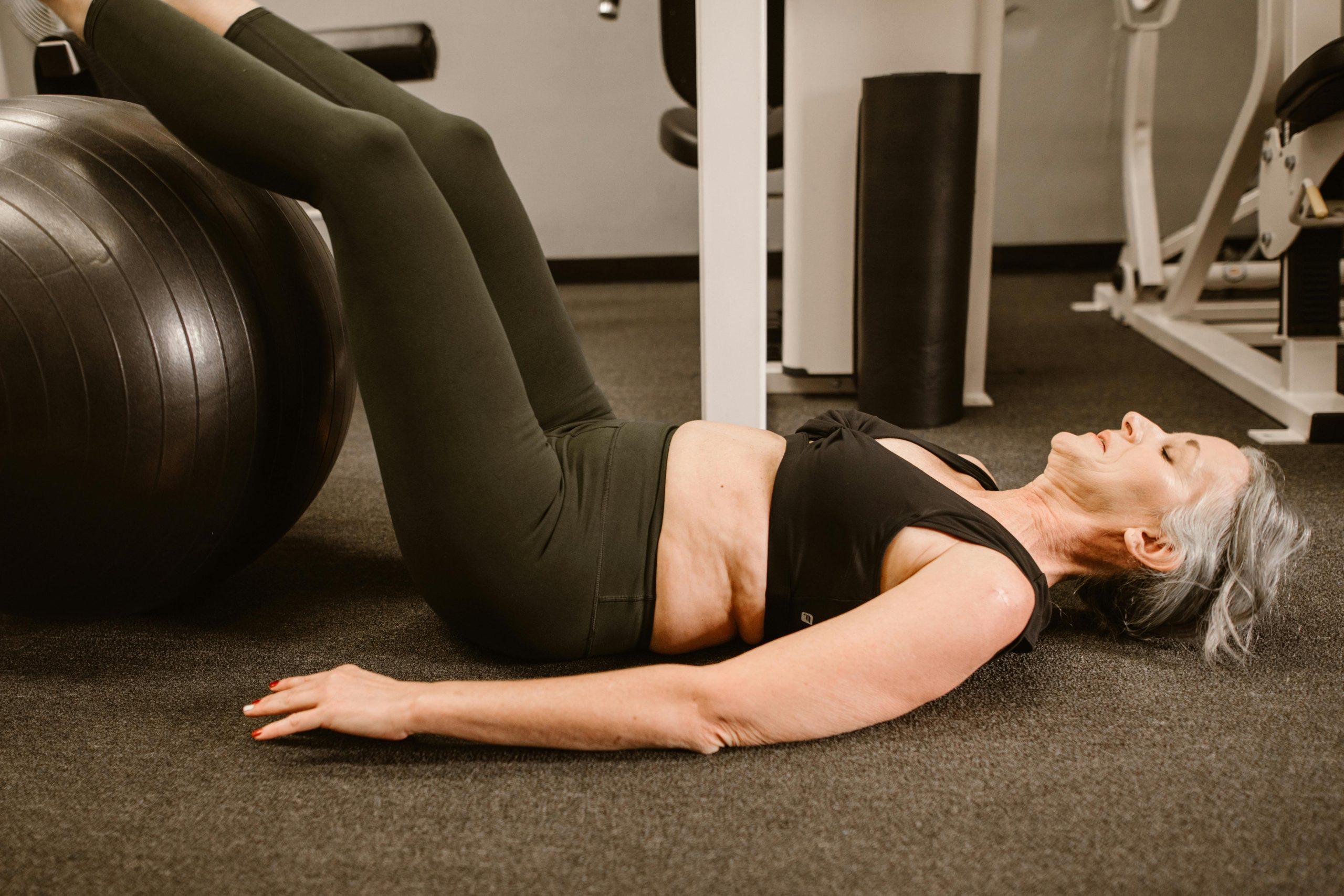
Low-impact exercises like swimming, yoga, and walking can strengthen the muscles around your hips and keep your joints flexible.
If you’re not sure where to start, physical therapy can help.
Consider Hormone Therapy
Hormone replacement therapy (HRT) or Bioidentical Hormone Replacement Therapy (BHRT) can restore estrogen levels, which may reduce menopause joint pain.
Talk to a healthcare provider like California Concierge to see if this option is right for you.
Try Anti-Inflammatory Medications
Over-the-counter pain relievers like ibuprofen can help manage flare-ups, but they’re not a long-term solution.
Use them as needed and look for other ways to support your joints.
Make Lifestyle Adjustments
- Strengthen Your Muscles: Focus on hip and core exercises.
- Eat for Bone Health: Add more calcium and vitamin D to your diet.
- Watch Your Weight: Losing even a small amount of weight can take pressure off your hips.
Explore Alternative Therapies
Some women find relief through acupuncture, chiropractic care, or supplements that support joint health.
How to Prevent Hip Pain During Menopause
Prevention of hip pain during menopause can include:
- Stay Active: Regular movement keeps your joints happy.
- Strengthen Your Bones: Get plenty of calcium, vitamin D, and engage in weight-bearing exercises.
- Focus on Posture: Sit and stand tall to avoid unnecessary hip strain.
How California Concierge Can Help With Hip Pain And Menopause
At California Concierge, we specialize in helping women navigate menopause with ease and confidence.
Hip pain doesn’t have to be a lasting part of this transition.
- Functional Medicine Tailored to You: Our functional medicine for menopause program gets to the root of your symptoms – including hip pain. We design personalized plans to help balance hormones and improve joint health.
- Hormone Assessments and HRT: We offer hormone testing to pinpoint deficiencies and create targeted treatment plans, including HRT if needed.
- Comprehensive Pain Relief Plans: From physical therapy to holistic treatments, we’ll craft a plan that helps you move freely and comfortably.
If you’re ready to get relief from your menopause hip pain, contact us for a consultation today!
Conclusion: Menopause Hip Pain
Don’t let menopause hip pain slow you down.
With the right approach, you can get back to feeling strong and pain-free.
Schedule a consultation at California Concierge to start your journey to better health today.
FAQs
Can menopause cause other symptoms like dizziness?
Yes, dizziness is a common symptom during menopause. Hormonal changes, particularly the drop in estrogen, can affect blood flow, balance, and even your inner ear, leading to feelings of lightheadedness or vertigo.
What’s the difference between HRT vs BHRT?
Hormone Replacement Therapy (HRT) uses synthetic hormones to replace the estrogen and progesterone your body loses during menopause. Bioidentical Hormone Replacement Therapy (BHRT) uses hormones derived from natural sources that are chemically identical to the ones your body produces. BHRT is often marketed as a more natural alternative, but both forms aim to relieve menopause symptoms.
What is the best natural estrogen replacement?
Phytoestrogens, found in foods like soy, flaxseeds, and chickpeas, are some of the best natural estrogen replacements. Herbs such as black cohosh and red clover are also popular for balancing hormones. However, the effectiveness of natural alternatives varies from person to person, and it’s best to consult a healthcare provider for guidance.
Does menopause also cause back pain?
Yes, menopause can contribute to back pain. Estrogen plays a role in keeping your muscles, ligaments, and bones strong. As estrogen declines, muscles can weaken, and bone density may decrease, increasing the risk of spinal issues and overall discomfort in the back.
Can lack of estrogen cause joint pain?
Yes, a drop in estrogen can lead to joint pain and stiffness. Estrogen helps reduce inflammation and supports the lubrication of joints. Without enough estrogen, joints may feel stiff, swollen, or achy, especially in areas like the hips, knees, and hands.
What does menopause hip pain feel like?
Menopause hip pain can feel like a dull ache, sharp stabbing pain, or persistent discomfort on the outer part of the hip. It may worsen with physical activity or when lying on the affected side. Some women also experience stiffness, making it harder to move freely.
Will joint pain from menopause go away?
Joint pain caused by menopause can improve with the right treatment, including lifestyle changes, physical therapy, and possibly hormone therapy. For some women, the pain subsides as the body adjusts to lower hormone levels, but for others, ongoing management is necessary to maintain comfort and mobility.
What are the signs of low estrogen?
Signs of low estrogen include hot flashes, night sweats, mood swings, fatigue, vaginal dryness, sleep disturbances, and joint pain. You might also notice changes in skin elasticity, memory issues, and a decrease in bone density. If you suspect low estrogen, a healthcare provider can run tests to confirm and discuss treatment options.

Dr. Kayla Milano, the founder of California Concierge Medicine, is a board-certified medical professional with deep expertise in functional and integrative medicine, hormone therapy, and regenerative treatments. Known for her patient-first philosophy, Dr. Kayla Milano blends modern science with compassionate care—delivering real solutions that improve quality of life.