
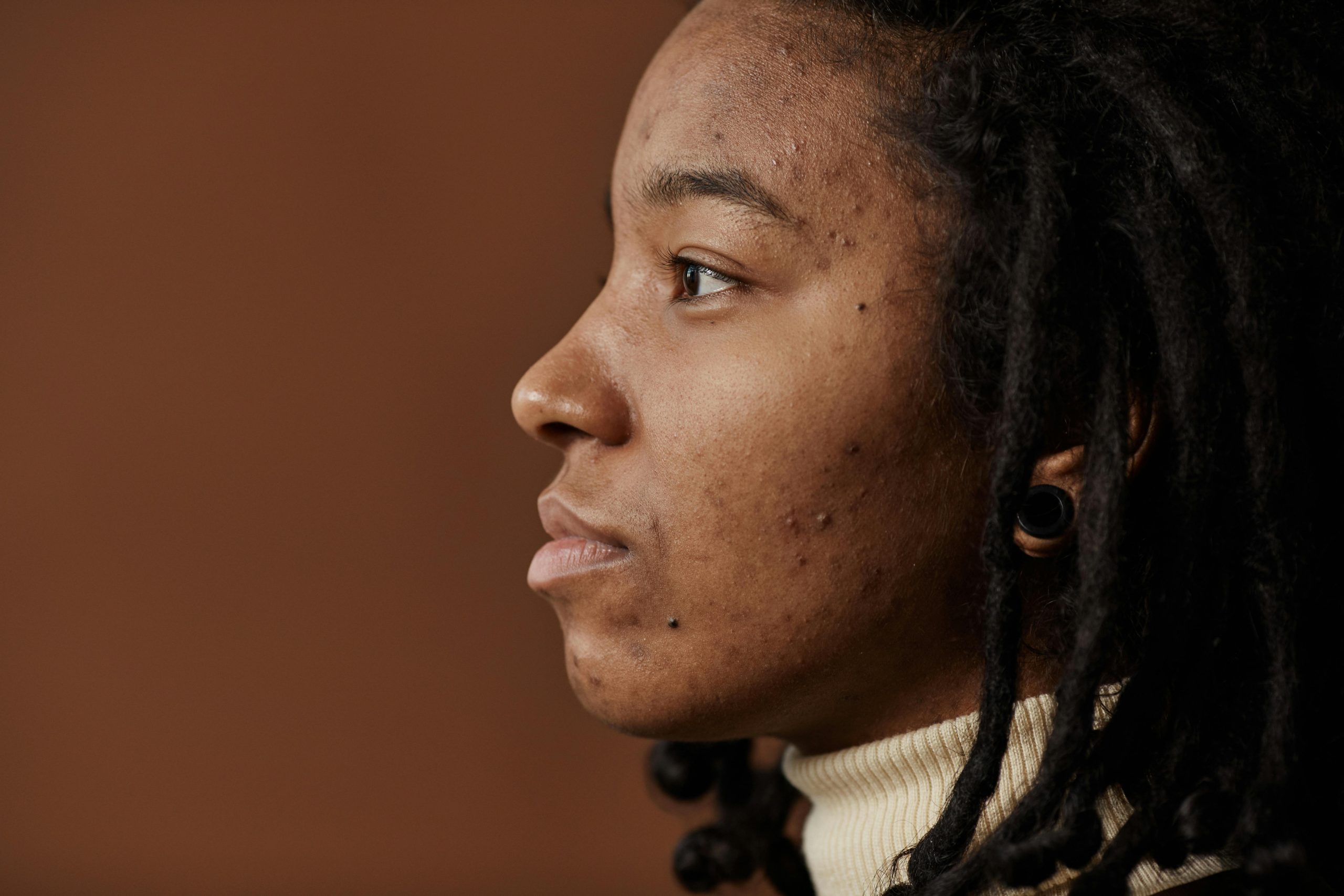
Acne during menopause can feel frustrating and unexpected.
Many women think pimples are left behind in their teenage years, only to find breakouts returning, or appearing for the first time, around perimenopause and menopause.
The truth is, menopause acne is common, and with the right approach, it can be managed and treated effectively.
This guide breaks down why it happens, what makes it different from other types of acne, and the best ways to treat and prevent it.
GET HELP WITH YOUR MENOPAUSE ACNE
What Is Menopause Acne?
Menopause acne refers to breakouts that appear during perimenopause and menopause, usually on the lower face, jawline, and chin.
Unlike teenage acne, which often shows up on the forehead and cheeks, menopausal acne tends to be deeper, more persistent, and sometimes painful.
Studies suggest that up to 15% of women in their 50s experience acne, making it a common issue at this stage of life.
Why Acne Appears During Menopause
Here are the reasons why acne can appear during menopause:
Hormonal Shifts
As estrogen levels decline, androgens like testosterone become more dominant.
This hormonal imbalance triggers excess sebum (oil) production, clogs pores, and leads to inflammation.
While your body isn’t necessarily producing more testosterone, the low estrogen makes its effects stronger on the skin.
Skin Barrier Breakdown
Estrogen also plays a key role in maintaining healthy skin.
With lower estrogen levels, your skin produces fewer ceramides and collagen.
The result is thinner, drier, and more fragile skin, which makes it harder to fight off acne.
Other Contributing Factors
Stress, poor sleep, high-sugar diets, and slower cell turnover during menopause all make acne more likely.
These lifestyle factors, combined with hormonal changes, create the perfect storm for breakouts.
Symptoms and Emotional Impact
Menopause acne can look like inflamed pimples, blackheads, whiteheads, or even painful cystic bumps.
Many women also notice a mix of dryness and oiliness, which makes it tricky to treat.
Beyond the physical signs, acne at this age often impacts self-confidence and emotional well-being.
Addressing menopause acne is about more than clear skin, it’s about restoring self-esteem and comfort in your own skin.
How Menopause Acne Differs From Other Types of Acne
Menopausal skin is thinner, drier, and more sensitive than adolescent skin.
This means common over-the-counter acne treatments like harsh cleansers, scrubs, or high-strength benzoyl peroxide can actually make things worse.
Treating menopause acne requires a gentler, barrier-supportive approach.
Best Skincare Routine for Menopause Acne
Let’s take a look at some strategies you can use to help manage menopause acne:
Cleansing
Use a gentle, non-foaming cleanser that removes dirt and oil without stripping your skin.
Harsh cleansers can trigger more oil production and worsen breakouts.
Treatment Actives
- Retinoids: Low-strength retinoids unclog pores and improve cell turnover.
- Benzoyl Peroxide/Salicylic Acid: Use in lower concentrations and pair with a moisturizer to avoid irritation.
- Niacinamide and Ceramides: Calm inflammation and strengthen your skin barrier.
Moisturizing & Protection
Moisturizers rich in ceramides and hyaluronic acid are essential.
Daily sunscreen protects against UV damage, which can worsen acne scars and speed up skin aging.
What Are Medical Treatments to Consider For Menopause Acne
If over-the-counter care isn’t enough, medical options can make a big difference:
- Spironolactone: An anti-androgen medication that reduces oil production.
- Hormone therapy: In some cases, HRT can help balance hormones and improve acne.
- Prescription topicals: Stronger retinoids or clascoterone may be recommended.
- Procedures: Chemical peels, light therapy, or microneedling, with adjustments for mature skin.
Lifestyle Tips to Support Clearer Skin
- Nutrition: Choose a low-glycemic diet with vegetables, lean proteins, and omega-3s.
- Stress management: Stress hormones can worsen acne, so practices like yoga or meditation may help.
- Sleep: Studies show that rest is critical for hormone balance and skin repair.
- Avoid common mistakes: Over-exfoliating, picking at pimples, or layering too many products can damage your skin barrier.
When to See a Doctor
You should see a provider if acne is severe, painful, or not improving with home care.
Acne that appears suddenly or is accompanied by other symptoms like irregular periods or excess hair growth may indicate underlying conditions such as PCOS or adrenal issues.
A concierge medicine provider can run hormone testing and build a personalized treatment plan.
How California Concierge Medicine Can Help
At California Concierge Medicine, we understand how frustrating menopause acne can be.
Our approach goes beyond surface-level treatments.
We evaluate your hormone health, lifestyle, and skin needs to create a tailored plan that helps restore balance and confidence.
Whether it’s advanced skincare, medical treatment, or hormone support, we provide care that fits your unique situation.
Conclusion
Menopause acne is common, but it’s not something you have to live with.
By addressing hormonal changes, supporting your skin barrier, and making smart lifestyle choices, you can keep your skin healthy and clear.
With the right support, you can feel comfortable and confident in your skin again.
FAQs
How do you treat menopause acne?
Treatment usually includes gentle skincare, prescription options like spironolactone or retinoids, and lifestyle changes such as stress management and diet adjustments.
How long does menopausal acne last?
Menopausal acne can last for several years, often improving once hormones stabilize, though some women may experience flare-ups well into postmenopause.
What do menopause pimples look like?
Menopause pimples are often deep, inflamed, and appear on the jawline, chin, or lower face. They can be cystic, painful, and more stubborn than teenage acne.
How to clear up perimenopausal acne?
Focus on barrier-supportive skincare, use low-dose retinoids, add anti-inflammatory ingredients, manage stress, and talk with a provider about hormone or medical treatments.
Why am I getting acne in my 50s?
Declining estrogen makes androgens more dominant, leading to increased oil production, clogged pores, and breakouts, even if you never had acne before.
What foods are good for menopausal acne?
Foods rich in omega-3s, antioxidants, lean protein, and low-glycemic options like vegetables and whole grains support hormone balance and reduce acne flare-ups.
What is the best natural estrogen replacement?
Some women explore phytoestrogens from foods like soy, flaxseed, and legumes, but natural replacements should always be discussed with a healthcare provider.
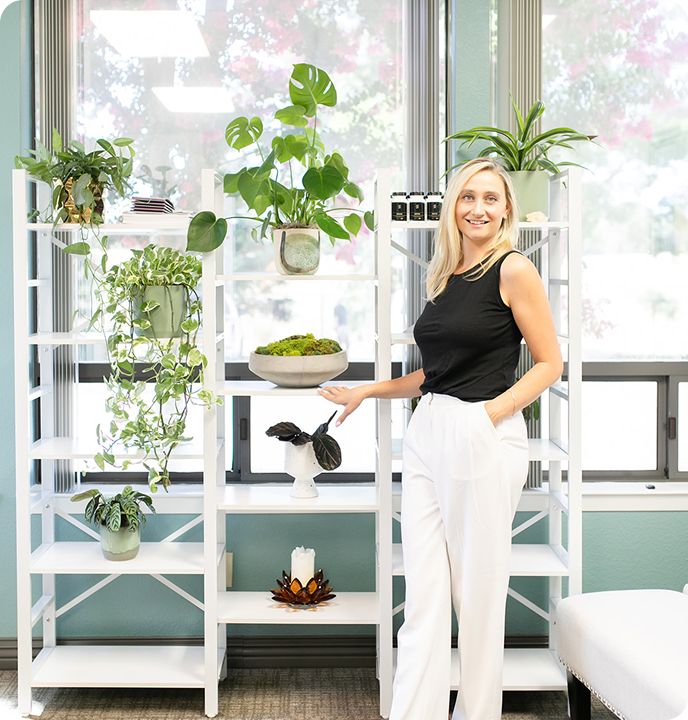
Dr. Kayla Milano, the founder of California Concierge Medicine, is a board-certified medical professional with deep expertise in functional and integrative medicine, hormone therapy, and regenerative treatments. Known for her patient-first philosophy, Dr. Kayla Milano blends modern science with compassionate care—delivering real solutions that improve quality of life.