
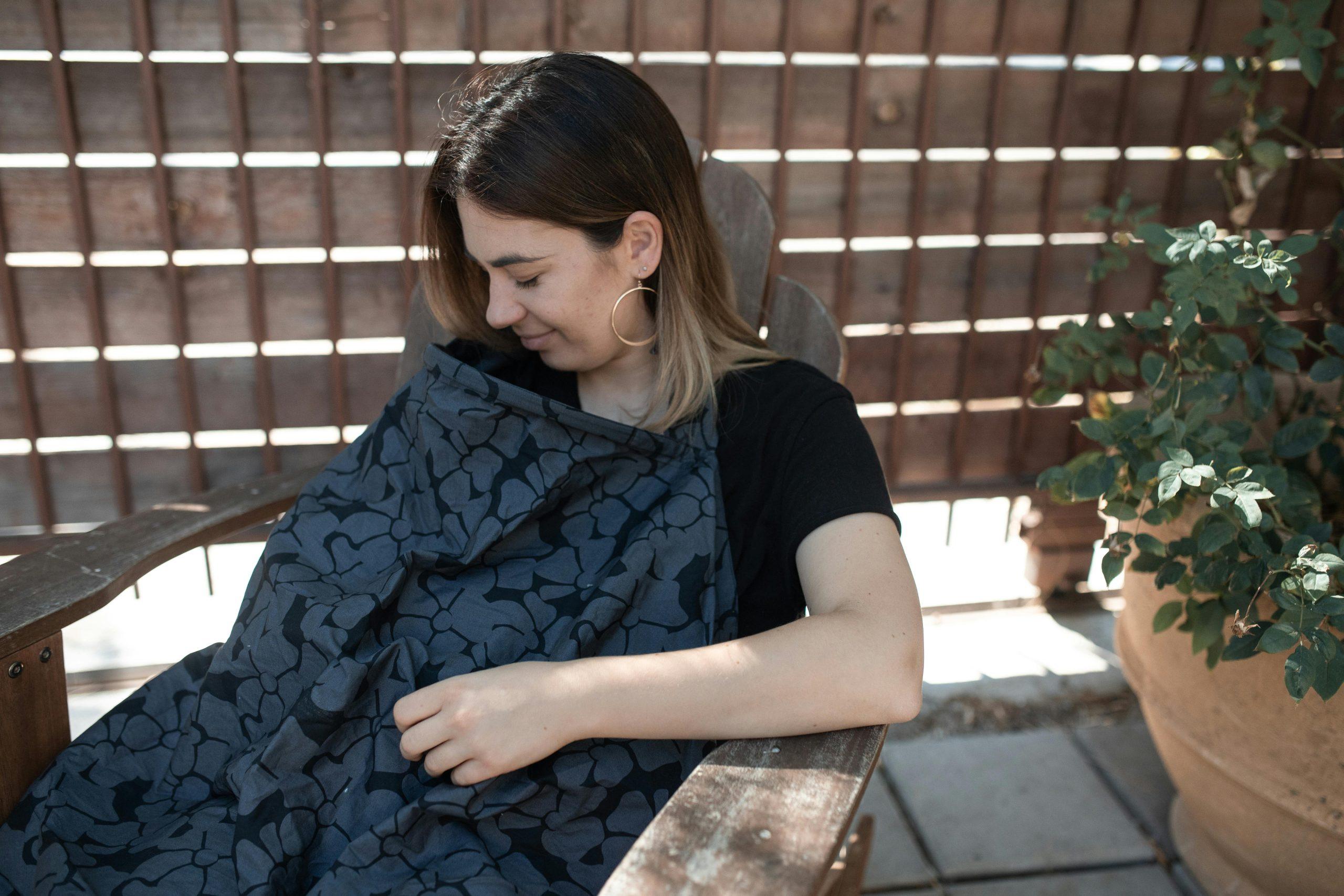
Breastfeeding brings a lot of changes—some beautiful, some tough.
If you’re feeling off physically or emotionally after giving birth, it might not just be the stress of new motherhood.
Low estrogen could be playing a bigger role than you think.
Many women experience low estrogen while breastfeeding, and the symptoms can be surprising, uncomfortable, and sometimes dismissed.
The good news?
You’re not alone, and there are real ways to feel better.
At California Concierge, we help new moms rebalance their hormones and feel like themselves again through personalized care that works with your body, not against it.
What Happens to Estrogen Levels During Breastfeeding?
Estrogen plays a major role during pregnancy.
It helps your uterus grow, supports your baby’s development, and preps your body for labor.
But once you give birth, estrogen levels drop fast.
That sudden shift is normal—but when you’re breastfeeding, estrogen tends to stay lower than usual.
Why Breastfeeding Keeps Estrogen Low
While you’re nursing, your body produces more prolactin to help make milk.
But prolactin also suppresses estrogen.
This hormonal tradeoff means that the longer or more frequently you breastfeed, the longer your estrogen may stay low.
Common Low Estrogen Symptoms While Breastfeeding
Low estrogen affects more than just your cycle.
It can show up in ways you might not expect—and it’s easy to assume these symptoms are just part of being a tired new mom.
Here’s what to watch for:
Physical Signs
- Vaginal dryness or discomfort, especially during sex
- Hot flashes or sudden night sweats
- Hair thinning that goes beyond normal postpartum shedding
- Feeling constantly tired, even if your baby sleeps well
Emotional and Mental Changes
- Mood swings, irritability, or anxiety
- Low interest in sex or intimacy
- Trouble focusing, remembering things, or feeling mentally “sharp”
If these symptoms sound familiar, your estrogen might be lower than your body is comfortable with.
How Low Estrogen Affects You While Breastfeeding
Estrogen helps keep vaginal tissues healthy, elastic, and lubricated.
When estrogen levels drop, it can lead to discomfort or even pain during sex.
Many women also report feeling disconnected from their bodies or uninterested in intimacy—not because they don’t care, but because their hormones are working against them.
It Affects More Than Just Hormones
Low estrogen doesn’t just impact reproductive health.
Studies show it also affects your sleep, energy, memory, and mood.
It’s not all in your head.
These shifts can make everyday life feel harder than it needs to be.
What You Can Do to Support Healthy Estrogen Levels
For many women, small changes in lifestyle can help ease symptoms of low estrogen while breastfeeding, including:
- Add foods with phytoestrogens to your meals—like flaxseeds, lentils, or tofu
- Get outside for a walk or try light stretching to reduce stress
- Drink enough water and create a simple sleep routine
- Make time for calming activities, even 10 minutes a day, to help with mood
These tips can make a difference, especially when combined with support from someone who understands how your hormones are connected to your overall health.
Know When It’s Time for Extra Support
If your symptoms continue even after making healthy changes, it’s okay to ask for help.
Hormonal imbalances can’t always be fixed with food and rest alone.
That’s where deeper testing and a personalized plan can make all the difference.
How California Concierge Can Help with Low Estrogen While Breastfeeding
At California Concierge, we understand that postpartum care isn’t one-size-fits-all.
If you’re dealing with symptoms of low estrogen while breastfeeding, we can help you get clarity and feel better—without rushing your body or pushing one solution for everyone.
Our low estrogen program is designed to uncover what’s really going on inside your body.
We use lab testing to identify hormone imbalances and create a treatment plan tailored to you.
That might include nutritional guidance, targeted supplements, or lifestyle shifts—all designed to support your hormones in a way that works for you and your breastfeeding goals.
We also stay with you every step of the way, adjusting your plan as your needs change.
You don’t have to figure it all out alone.
When to Get Help for Low Estrogen While Breastfeeding
Reach out to a provider if you’re experiencing:
- Ongoing vaginal dryness or pain during sex
- Constant fatigue that doesn’t improve with rest
- Unexplained anxiety, sadness, or mood swings
- Hair loss that continues well beyond a few months postpartum
- Feeling disconnected from your body or mind
These aren’t just random postpartum symptoms.
They’re signals your body is asking for support.
Conclusion: Low Estrogen While Breastfeeding Symptoms
Low estrogen while breastfeeding is common—but that doesn’t mean you have to just deal with it.
The symptoms are real, and they can affect how you feel every day.
If you’re ready to get to the root of what’s going on and feel better in your body again, we’re here to help.
Reach out to California Concierge and let’s take the next step together.
FAQs: Low Estrogen While Breastfeeding Symptoms
What is the best natural estrogen replacement?
Some of the best natural estrogen replacements include phytoestrogens found in foods like flaxseeds, soy, lentils, and chickpeas. Lifestyle changes, such as managing stress, improving sleep, and staying active, can also support natural hormone balance. At California Concierge, we offer customized functional medicine plans that may include targeted supplements and nutrition to help support estrogen levels naturally.
Can low estrogen cause muscle pain?
Yes, low estrogen can lead to muscle and joint pain. Estrogen plays a role in reducing inflammation and supporting tissue health, so when levels drop, you may notice more stiffness, aches, or general discomfort, especially postpartum or while breastfeeding.
What are the effects of low estrogen while breastfeeding?
Low estrogen while breastfeeding can cause a variety of symptoms including vaginal dryness, decreased libido, mood swings, hot flashes, fatigue, trouble sleeping, and even hair thinning. These changes can affect your physical comfort, mental health, and overall quality of life.
How do you know if you have low estrogen in your breast?
While you can’t feel estrogen levels in your breasts specifically, signs like loss of fullness, tenderness, or changes in breast tissue may be linked to hormonal shifts. The most accurate way to know if your estrogen is low is through lab testing, which California Concierge offers as part of a personalized hormone health plan.
What are the symptoms of low estrogen?
Symptoms of low estrogen include hot flashes, night sweats, vaginal dryness, mood changes, brain fog, low libido, irregular periods, fatigue, and hair thinning. If you’re experiencing a combination of these symptoms while breastfeeding, low estrogen may be a factor.
When do estrogen levels return to normal after breastfeeding?
Estrogen levels usually begin to rise again once breastfeeding frequency decreases or after you wean completely. However, every body is different, and some women may continue to experience hormonal imbalances. If your symptoms linger, it may be time to get your levels tested and talk to a provider.

Dr. Kayla Milano, the founder of California Concierge Medicine, is a board-certified medical professional with deep expertise in functional and integrative medicine, hormone therapy, and regenerative treatments. Known for her patient-first philosophy, Dr. Kayla Milano blends modern science with compassionate care—delivering real solutions that improve quality of life.