
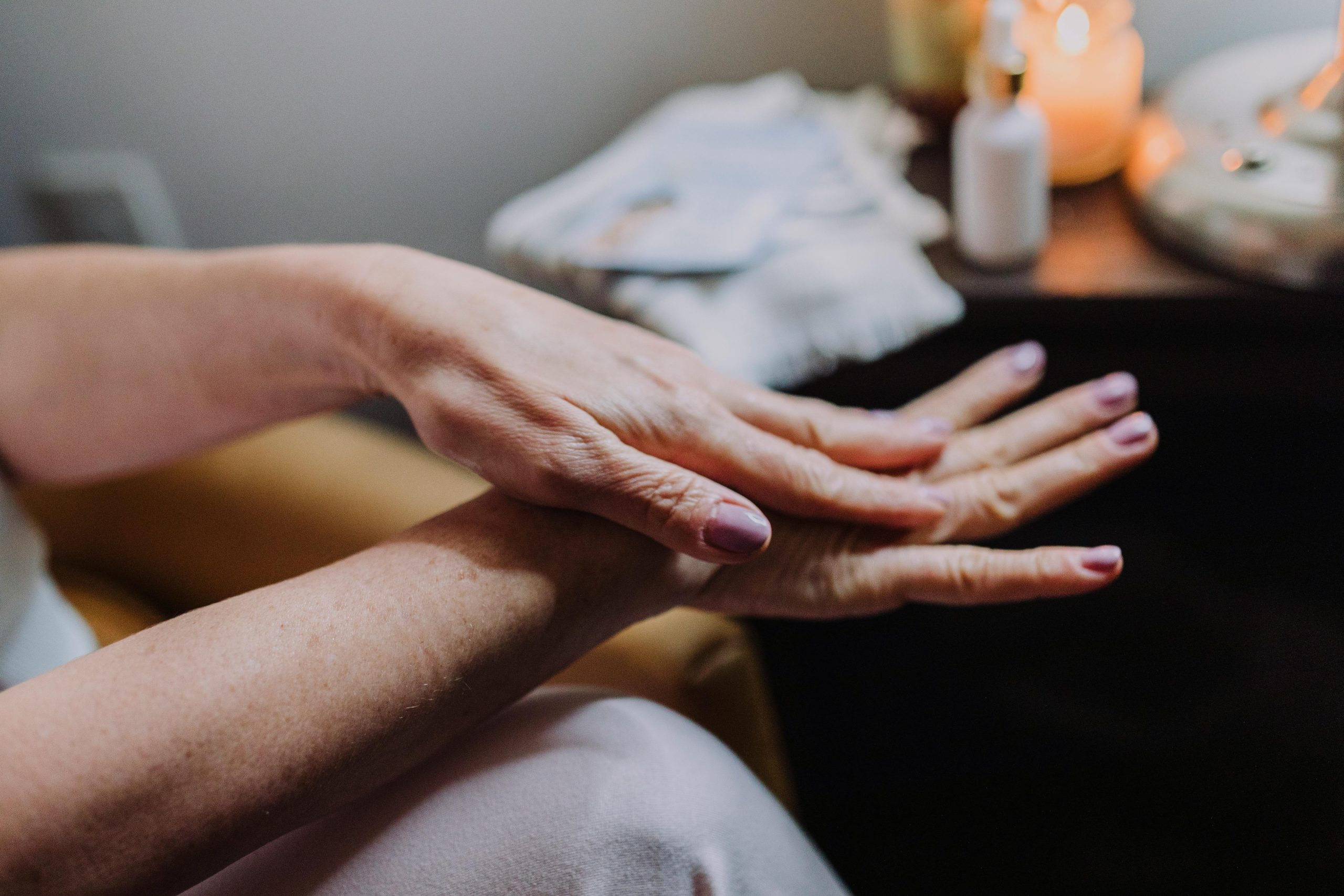
If you’re experiencing itchy skin during menopause, you’re far from alone.
Many women are surprised when itching becomes one of their most persistent and uncomfortable menopause symptoms, especially when there’s no visible rash or irritation.
Menopause itchy skin can feel mild and annoying or intense and disruptive.
For some women, it seems to come and go.
For others, it’s worse at night and interferes with sleep.
Understanding why this happens is the first step toward finding relief.
GET HELP WITH YOUR MENOPAUSE SYMPTOMS
Quick Answer: Can Menopause Cause Itchy Skin?
Yes, menopause can cause itchy skin.
Declining estrogen levels affect the skin’s moisture, thickness, and protective barrier, leading to dryness, increased sensitivity, heightened histamine response, and nerve-related itching, even when the skin looks normal.
Can Menopause Cause Itchy Skin?
Absolutely.
Itchy skin during menopause is common and often hormonally driven.
As estrogen levels decline, the skin becomes thinner, drier, and less able to retain moisture.
These changes can start during perimenopause and continue into menopause, sometimes lasting longer than expected without proper support.
In many cases, menopause itchy skin occurs without redness, hives, or visible irritation, which can make it confusing and frustrating.
Why Menopause Causes Itchy Skin
Menopause itchy skin usually develops due to several overlapping changes rather than a single cause.
Declining Estrogen Levels
Studies show estrogen supports collagen production, natural oil secretion, and skin hydration.
When estrogen drops:
- The skin produces less oil
- Moisture is lost more easily
- The skin barrier weakens
This makes the skin more prone to dryness, irritation, and itching.
Increased Skin Dryness
Dry skin is one of the most common menopause symptoms.
Even women who never struggled with dryness before may suddenly notice tightness, flaking, or persistent itching.
Changes in Histamine Response
Lower estrogen levels can increase histamine activity in the body.
Histamine is the chemical involved in itching and allergic reactions.
This can trigger itching even when there’s no rash or visible skin condition.
Increased Nerve Sensitivity
Hormonal shifts can also affect nerve signaling in the skin, leading to sensations such as:
- Crawling
- Tingling
- Burning
- Prickling or itching deep under the skin
This is sometimes described as a menopause skin crawling sensation and can feel unsettling.
Menopause Itching at Night: Why It Gets Worse After Dark
Many women report that menopause itching at night is significantly worse than during the day.
This happens because:
- Cortisol levels drop at night, reducing the body’s natural anti-itch response
- Body temperature rises under blankets
- Dry indoor air worsens moisture loss
- Fewer distractions make itching more noticeable
Nighttime itching often leads to scratching, which further damages the skin barrier and increases irritation, creating a frustrating cycle that disrupts sleep.
What Does Menopause Itchy Skin Feel Like?
Menopause itchy skin can feel different from typical skin irritation.
Common descriptions include:
- Persistent itching without a rash
- Crawling or tingling sensations
- Burning or prickly feelings
- Itching that moves around the body
- Sudden itchiness in the arms, legs, neck, scalp, or torso
Because the skin often appears normal, this symptom is frequently misunderstood or dismissed—even though it can significantly affect comfort and quality of life.
Does Menopause Itching Go Away?
One of the most common questions women ask is: does menopause itching go away?
For some women, itching improves as hormone levels stabilize over time.
For others, menopause itchy skin can persist for years without targeted care.
Whether menopause itching goes away depends on factors such as:
- Hormonal balance
- Skin hydration and barrier health
- Stress levels
- Underlying conditions like thyroid imbalance or eczema
If itching is ongoing, worsening, or interfering with sleep, it’s often a sign that more personalized support is needed.
How to Relieve Menopause-Related Itchy Skin
Relief usually comes from addressing both the skin itself and the hormonal changes happening beneath the surface.
Support Skin Hydration
- Use gentle, fragrance-free cleansers
- Avoid long, hot showers
- Apply moisturizer immediately after bathing
- Choose products with ceramides, glycerin, or hyaluronic acid
Reduce Everyday Triggers
- Wear loose, breathable fabrics
- Use mild laundry detergents
- Avoid harsh exfoliants and alcohol-based products
- Use a humidifier in dry environments
Improve Nighttime Comfort
- Keep the bedroom cool
- Use breathable bedding
- Moisturize before bed
- Avoid scratching, which worsens irritation over time
Address Hormonal Changes
Because estrogen plays a central role in skin health, unresolved menopause itchy skin may signal the need to evaluate hormone balance rather than relying on topical solutions alone.
When Itchy Skin May Not Be Just Menopause
While menopause is a common cause, persistent itching isn’t always hormonal.
It’s important to rule out other conditions if itching:
- Is severe or worsening
- Causes pain or burning
- Is accompanied by skin changes
- Doesn’t improve with basic care
Other possible contributors include thyroid imbalance, eczema, dermatitis, medication side effects, or allergic reactions.
When to See a Doctor for Menopause Itching
You should consider medical guidance if:
- Itching interferes with sleep
- Symptoms persist despite skincare changes
- You’re experiencing multiple menopause symptoms at once
- You feel dismissed or unsupported
Chronic itching shouldn’t be brushed off as something you just have to live with.
How California Concierge Medicine Can Help
At California Concierge Medicine in Rocklin, CA, menopause care focuses on understanding the full picture behind your symptoms.
Rather than treating itchy skin as an isolated issue, a concierge approach looks at:
- Hormone balance
- Overall health and lifestyle factors
- Long-term symptom management
This personalized care model helps women address menopause symptoms more effectively and regain comfort in their skin, day and night.
The Bottom Line: Menopause and Itchy Skin
Menopause and itchy skin often go hand in hand, but constant discomfort doesn’t have to be your new normal.
Hormonal changes can affect skin health in powerful ways, leading to dryness, sensitivity, and itching, especially at night.
If you’re wondering whether menopause itching will go away on its own, the answer varies.
What makes the biggest difference is understanding the cause and addressing it with the right level of care.
With proper support, menopause itchy skin can become manageable, and for many women, a thing of the past.
FAQs: Menopause and Itchy Skin
How do you stop menopause itching?
Stopping menopause itching usually requires addressing both skin dryness and hormonal changes. Gentle skincare, daily moisturizing, avoiding irritants, and keeping skin hydrated can help. If itching persists, hormone-related factors may need to be evaluated, as topical solutions alone don’t always resolve the issue.
Is itching a part of perimenopause?
Yes, itching can be part of perimenopause. As estrogen levels begin to fluctuate, the skin may become drier, thinner, and more sensitive. Many women notice itchy skin during perimenopause before their periods fully stop.
What makes menopause itching worse at night?
Menopause itching is often worse at night because cortisol levels drop, body temperature rises under blankets, and dry indoor air can further dehydrate the skin. With fewer distractions, itching also becomes more noticeable, making nighttime symptoms feel more intense.
What are the signs that perimenopause is ending?
Signs that perimenopause may be ending include longer gaps between periods, fewer menstrual cycles overall, and menopause symptoms becoming more consistent rather than fluctuating. Once you’ve gone 12 consecutive months without a period, perimenopause has officially transitioned into menopause.
Does perimenopause cause dry skin?
Yes, perimenopause commonly causes dry skin. Hormonal fluctuations, especially low estrogen, reduce the skin’s ability to retain moisture and produce natural oils. This dryness often contributes to itching, tightness, and increased skin sensitivity.
What are signs you need hormone replacement therapy?
Signs you may need hormone replacement therapy include persistent menopause symptoms such as itchy skin, hot flashes, night sweats, sleep disruption, mood changes, or vaginal dryness that don’t improve with lifestyle changes alone. A medical evaluation can help determine whether hormone support may be appropriate.

Dr. Kayla Milano, the founder of California Concierge Medicine, is a board-certified medical professional with deep expertise in functional and integrative medicine, hormone therapy, and regenerative treatments. Known for her patient-first philosophy, Dr. Kayla Milano blends modern science with compassionate care—delivering real solutions that improve quality of life.