
Feeling constantly tired, foggy, or lightheaded, even when you’re getting enough sleep?
For many women entering perimenopause or menopause, this isn’t “just aging.”
It could be the result of low estrogen and iron deficiency, two issues that often appear together and amplify one another.
This guide explains the connection between hormones and iron, how to spot the signs, and what you can do to feel like yourself again.
GET HELP BALANCING YOUR ESTROGEN
What’s the Connection Between Low Estrogen and Iron Deficiency?
Estrogen doesn’t just regulate menstrual cycles, it also plays a role in how your body absorbs and stores iron.
Studies show when estrogen levels drop, the body produces more of a hormone called hepcidin, which blocks iron absorption and release from your cells.
That means even if you eat iron-rich foods, your body may not use them effectively.
Combine that with irregular or heavy bleeding during perimenopause, and your iron stores can drop quickly, leading to fatigue, brain fog, and eventually anemia.
How to Tell If Fatigue Is from Low Estrogen or Iron Deficiency
It can be hard to know what’s driving your symptoms.
Both low estrogen and iron deficiency cause fatigue, mood changes, and brain fog, but there are a few ways to tell them apart.
| Symptom | Low Estrogen | Iron Deficiency |
| Hot flashes or night sweats | Common | Rare |
| Heavy or irregular bleeding | Common in perimenopause | May worsen anemia |
| Pale skin | No | Common |
| Dizziness or shortness of breath | No | Common |
| Mood swings or anxiety | Common | No |
| Fatigue and brain fog | Common | Common |
If you have symptoms from both columns, it’s likely both your hormone levels and iron stores are involved.
Why Midlife Women Are Especially at Risk
During perimenopause, estrogen levels rise and fall unpredictably before eventually dropping after menopause.
These shifts can trigger several changes that make iron deficiency more likely:
- Heavier or longer periods that lead to blood loss
- Lower iron absorption caused by higher hepcidin levels
- Digestive changes that reduce nutrient absorption
- Dietary changes (such as cutting red meat) that limit iron intake
This combination explains why perimenopause anemia is so common and why many women mistake it for ordinary menopausal fatigue.
Can Perimenopause Cause Anemia?
Yes.
Perimenopause can cause anemia due to hormonal fluctuations that trigger heavier bleeding and lower iron absorption.
Over time, your iron stores become depleted, making it harder to make enough healthy red blood cells.
Anemia during perimenopause can also worsen typical menopausal symptoms like fatigue, irritability, and brain fog.
Many women notice a dramatic improvement once both iron deficiency and low estrogen are treated together.
Symptoms to Watch For
Because symptoms overlap, it’s important to pay attention to subtle differences.
Common signs of low estrogen and iron deficiency include:
- Fatigue or low energy
- Pale or sallow skin
- Shortness of breath during mild exertion
- Dizziness or lightheadedness
- Hair loss or brittle nails
- Cold hands and feet
- Mood swings, irritability, or anxiety
- Brain fog or difficulty focusing
If you’re in your 40s or 50s and checking several of these boxes, it’s time to get tested.
Testing for Low Estrogen and Iron Deficiency
A combination of blood tests can clarify whether your fatigue is due to hormones, iron levels, or both.
Ask your provider about:
Iron Studies
- Ferritin: Measures your body’s iron storage (ideal range: 50–150 ng/mL for women).
- Hemoglobin and Hematocrit: Reflect red blood cell count and oxygen-carrying capacity.
- Transferrin Saturation or TIBC: Indicates how well iron binds to proteins in the blood.
- Hepcidin (optional): Helps assess iron absorption regulation.
Hormone Panel
- Estradiol: Main form of estrogen.
- FSH and LH: Help determine menopausal status.
Testing both gives a clearer picture than checking one alone, many women have normal hemoglobin but low ferritin and low estrogen, indicating an early combined deficiency.
Managing Low Estrogen and Iron Deficiency
Treatment depends on the underlying cause, but it often involves addressing both iron repletion and hormone balance.
1. Rebuild Iron Stores
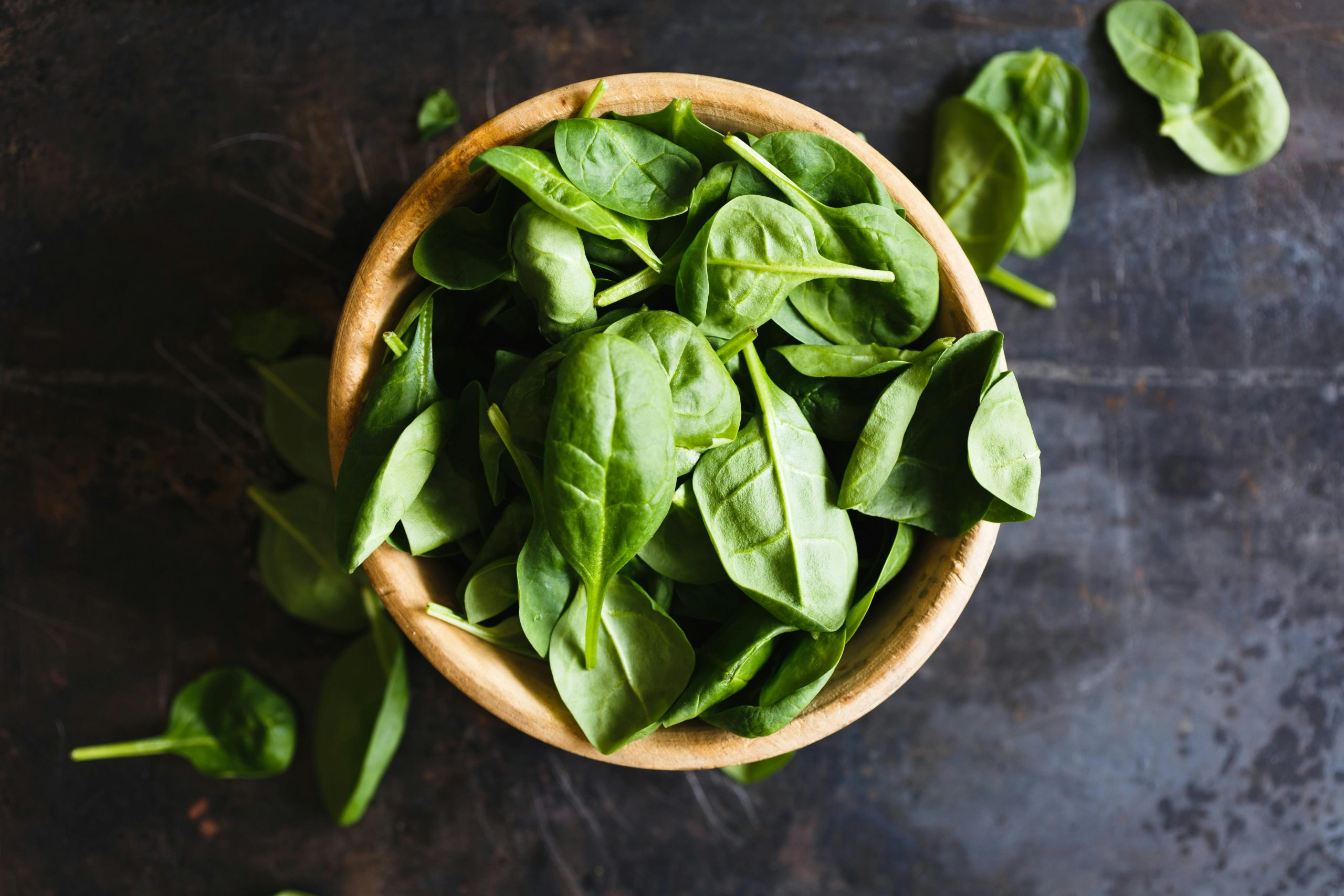
- Diet: Eat iron-rich foods like lean red meat, lentils, beans, and spinach. Pair with vitamin C (citrus, peppers) to boost absorption.
- Supplements: Ferrous sulfate, ferrous gluconate, or iron bisglycinate can help replenish levels.
- IV Iron: Used for women who can’t tolerate oral supplements or have absorption issues.
2. Support Hormone Balance
When estrogen levels drop, iron regulation worsens.
Discuss bioidentical hormone therapy (BHRT) or other individualized options with your provider to restore hormonal equilibrium.
3. Address the Root Cause of Blood Loss
If you’re experiencing heavy or frequent bleeding, your clinician may recommend treatment to regulate your cycle, such as low-dose hormonal therapy or targeted gynecologic evaluation.
Menopause and Anemia: What Happens After Periods Stop
You might assume iron deficiency goes away after menopause, but that’s not always true.
Some women continue to have low iron levels because of:
- Reduced absorption from the gut
- Dietary gaps or low red-meat intake
- Chronic inflammation that raises hepcidin
- Persistent low estrogen, which still limits iron uptake
That’s why menopause and anemia can still coexist, even when periods have ended.
When to See a Doctor
Contact your provider if you notice:
- Fatigue that doesn’t improve with rest
- Shortness of breath or dizziness
- Heavy or unpredictable bleeding
- Pale skin or brittle nails
- Mood changes or cognitive fog
At California Concierge Medicine, we take a comprehensive approach to women’s health.
Our specialists evaluate both hormone levels and nutrient deficiencies to identify the root causes of fatigue, mood swings, and energy loss, creating a personalized plan that restores balance and vitality.
Key Takeaways
- Low estrogen increases hepcidin, making it harder to absorb and use iron.
- Perimenopause can cause anemia through heavy bleeding and poor absorption.
- Fatigue, brain fog, and mood swings often stem from both hormonal and iron imbalances.
- Testing for ferritin and estradiol together provides a more accurate diagnosis.
- Treating both iron deficiency and estrogen loss restores energy, focus, and wellbeing.
Conclusion
Low estrogen and iron deficiency share more than overlapping symptoms, they influence each other in ways that can make women feel chronically exhausted, foggy, and unwell.
Understanding how hormones affect iron metabolism helps uncover the true cause behind midlife fatigue and energy loss.
By testing both hormone levels and iron markers, you can identify imbalances early and correct them before they progress to anemia.
With the right combination of nutritional support, hormone optimization, and personalized care, it’s possible to restore balance, rebuild strength, and feel like yourself again.
If you’re struggling with symptoms of fatigue, brain fog, or hormonal changes, the team at California Concierge Medicine can help you find lasting solutions tailored to your body’s unique needs.
FAQs
What hormone causes iron-deficiency?
Hepcidin is the key hormone that regulates iron balance. When hepcidin levels are high, it blocks iron absorption and release from cells, which can lead to iron deficiency.
What deficiencies cause low estrogen?
Low estrogen can result from deficiencies in essential nutrients like vitamin D, B vitamins, magnesium, and healthy fats. Chronic stress, low body weight, or poor nutrition can also disrupt hormone production.
What do low levels of estrogen feel like?
Low estrogen often causes fatigue, hot flashes, night sweats, mood swings, brain fog, vaginal dryness, and changes in sleep or libido. Many women also experience joint discomfort or increased anxiety.
What happens when a woman’s iron is low?
Low iron leads to decreased oxygen transport in the body, causing fatigue, dizziness, pale skin, shortness of breath, and sometimes heart palpitations. It can also worsen cognitive function and overall energy.
What causes low estrogen and iron deficiency together?
During perimenopause, hormonal fluctuations can increase hepcidin levels and cause heavier bleeding. This combination reduces iron absorption and depletes iron stores, while estrogen levels simultaneously drop.
Can perimenopause cause anemia?
Yes. Hormonal shifts during perimenopause can lead to irregular or heavy periods, resulting in significant iron loss and increasing the risk of anemia.
How does estrogen affect iron absorption?
Estrogen helps regulate iron by lowering hepcidin, the hormone that limits iron absorption. When estrogen drops, hepcidin rises, reducing the body’s ability to absorb and utilize iron effectively.
Can low estrogen cause muscle pain?
Yes. Estrogen helps reduce inflammation and maintain muscle function. When levels are low, muscle pain, stiffness, and joint discomfort are more common, especially during menopause or hormonal imbalance.

Dr. Kayla Milano, the founder of California Concierge Medicine, is a board-certified medical professional with deep expertise in functional and integrative medicine, hormone therapy, and regenerative treatments. Known for her patient-first philosophy, Dr. Kayla Milano blends modern science with compassionate care—delivering real solutions that improve quality of life.