
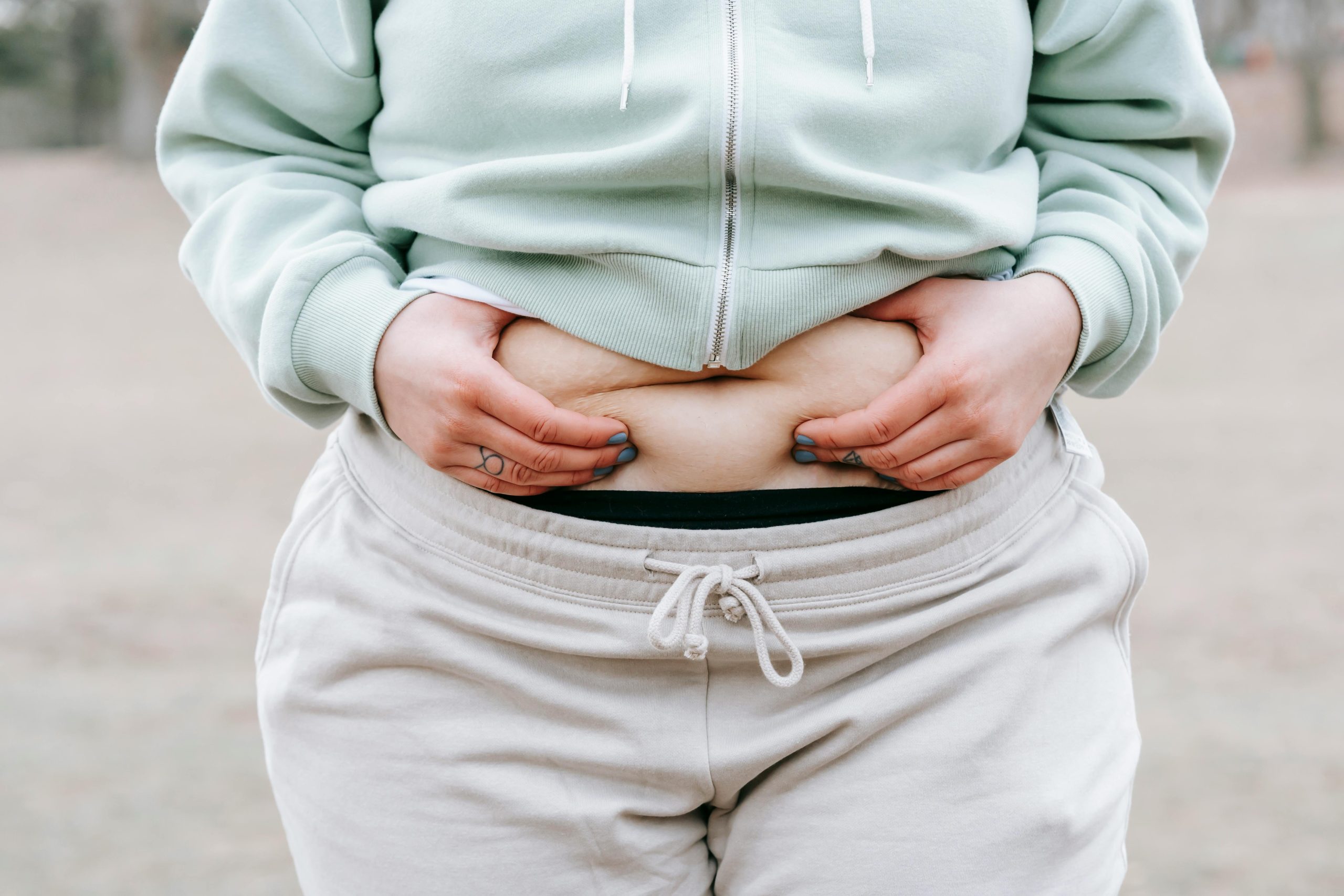
If you’ve noticed your belly feeling more swollen or uncomfortable than usual as you approach menopause, you’re not imagining it.
Perimenopause bloating is a common but frustrating symptom driven by shifting hormones, digestive changes, and fluid retention.
While uncomfortable, it can be managed with the right strategies and knowing when to seek care.
At California Concierge Medicine, we help women in California navigate perimenopause with personalized support, including guidance for bloating and other hormonal changes.
Here’s what you need to know.
GET HELP WITH YOUR PERIMENOPAUSE SYMPTOMS
What Is Perimenopause Bloating?
Perimenopause bloating is abdominal swelling or fullness caused by hormonal fluctuations before menopause.
It may feel different from typical bloating after a meal because it can be more persistent, harder to control, and linked to hormone-driven water retention and gut changes.
Commonly searched terms like “bloating perimenopause” or “perimenopause and bloating” all describe the same phenomenon, digestive discomfort that affects many women during the menopausal transition.
Why Does Perimenopause Cause Bloating?
Hormones influence nearly every system in the body, including digestion and water balance.
During perimenopause, bloating may happen for several reasons:
- Estrogen and progesterone shifts: Estrogen spikes can lead to water retention, while low progesterone can slow digestion and contribute to constipation.
- Slower digestion: Hormone changes affect how quickly food moves through your gut, leading to gas, heaviness, or a distended belly.
- Gut microbiome changes: Fluctuating hormones may alter gut bacteria balance, making some women more sensitive to certain foods.
- Cortisol and stress: Stress hormones disrupt digestion and can worsen perimenopause gas and bloating.
- Lifestyle factors: Processed foods, excess salt, and lack of movement amplify hormonal bloating symptoms.
What Does Perimenopause Bloating Feel Like?
Women often describe menopausal bloating as:
- A swollen, tight, or puffy belly
- Excess gas and cramping
- Clothes feeling snug without actual weight gain
- Bloating that comes and goes, sometimes lasting days
Unlike everyday post-meal bloating, perimenopause bloating can feel more unpredictable, showing up even without obvious food triggers.
How to Reduce Bloating During Perimenopause
While you can’t stop hormone shifts entirely, you can minimize bloating with practical changes:
- Eat smaller, balanced meals: Large, heavy meals are harder to digest. Focus on fiber, lean protein, and healthy fats.
- Stay hydrated: Dehydration can actually worsen water retention.
- Limit salt and processed foods: These contribute to swelling and puffiness.
- Support your gut: Try probiotics, fermented foods, and a gradual increase in fiber.
- Move regularly: Walking, yoga, and light activity help digestion flow.
- Manage stress: Meditation, deep breathing, or even short breaks can reduce cortisol-driven bloating.
- Track your triggers: Keep a food and symptom diary to spot patterns with dairy, gluten, caffeine, or alcohol.
Perimenopause vs Menopause Bloating
Let’st take a look at how perimenopause and menopause bloating compare:
- Perimenopause bloating: More unpredictable, tied to fluctuating estrogen and progesterone.
- Post-menopause bloating: Hormone levels stabilize, but digestive sensitivity, slower metabolism, or lifestyle habits can still cause bloating.
Understanding this difference helps women anticipate whether symptoms will improve over time or need ongoing support.
When to See a Doctor
Most bloating during perimenopause is harmless, but there are times when medical care is essential.
Contact a doctor if you experience:
- Severe or sudden bloating that doesn’t improve
- Rapid weight gain with swelling in other areas
- Abdominal pain, cramping, or changes in bowel habits
- Bloating with unexplained bleeding
These can be signs of conditions that need medical evaluation.
At California Concierge Medicine, we provide one-on-one concierge care to help women identify the root causes of perimenopause bloating and manage it effectively.
From hormone balancing to digestive health strategies, our team creates tailored plans that address your unique needs.
The Bottom Line
Perimenopause bloating is frustrating but manageable.
It stems from hormone fluctuations, digestive changes, and fluid retention, but relief is possible with simple lifestyle shifts and medical support.
At California Concierge Medicine, we specialize in helping women through perimenopause with personalized care that looks at the whole picture, not just symptoms.
If bloating is disrupting your daily life, our concierge approach can provide the answers and support you need.
FAQs
How to stop bloating in perimenopause?
You can reduce bloating by eating smaller, balanced meals, staying hydrated, exercising regularly, managing stress, and avoiding foods that trigger symptoms like processed foods, salt, or carbonated drinks.
What does perimenopausal bloating feel like?
Perimenopausal bloating often feels like abdominal fullness, tightness, or swelling. Many women also experience excess gas, cramping, and clothes fitting more snugly even without weight gain.
What is perimenopause belly?
Perimenopause belly refers to bloating and weight changes around the midsection that occur during hormonal fluctuations. It can involve both water retention and fat redistribution caused by declining estrogen levels.
What is the average age for perimenopause symptoms?
Perimenopause symptoms typically begin between ages 40 and 44, though some women notice changes in their mid-to-late 30s. Studies show the average age of menopause itself in the U.S. is 51.
Why am I so puffy in perimenopause?
Hormonal shifts, especially rising estrogen and falling progesterone, can cause your body to hold onto water. This water retention often leads to puffiness in the stomach, hands, and feet.
What are the four stages of perimenopause?
The stages include pre-menopause (regular cycles with early symptoms), early perimenopause (cycle changes begin), late perimenopause (long gaps between cycles with stronger symptoms), and post-menopause (12 months without a period).
When should I worry about perimenopause bloating?
You should see a doctor if bloating is sudden, severe, persistent, or comes with symptoms like pain, bleeding, or rapid weight gain, as these may signal other health issues.
Is bloating common in menopause?
Yes, bloating is common in both perimenopause and menopause. In many women it improves once hormone levels stabilize after menopause, but digestive issues can still cause bloating.
Can HRT help perimenopause bloating?
Hormone replacement therapy (HRT) may reduce bloating by stabilizing estrogen and progesterone levels. However, results vary, and some women may still need dietary or lifestyle changes for relief.
What is HRT vs TRT?
HRT, or hormone replacement therapy, is commonly used for women to balance estrogen and progesterone during perimenopause and menopause. TRT, or testosterone replacement therapy, is designed to restore testosterone levels, usually for men with low testosterone.

Dr. Kayla Milano, the founder of California Concierge Medicine, is a board-certified medical professional with deep expertise in functional and integrative medicine, hormone therapy, and regenerative treatments. Known for her patient-first philosophy, Dr. Kayla Milano blends modern science with compassionate care—delivering real solutions that improve quality of life.