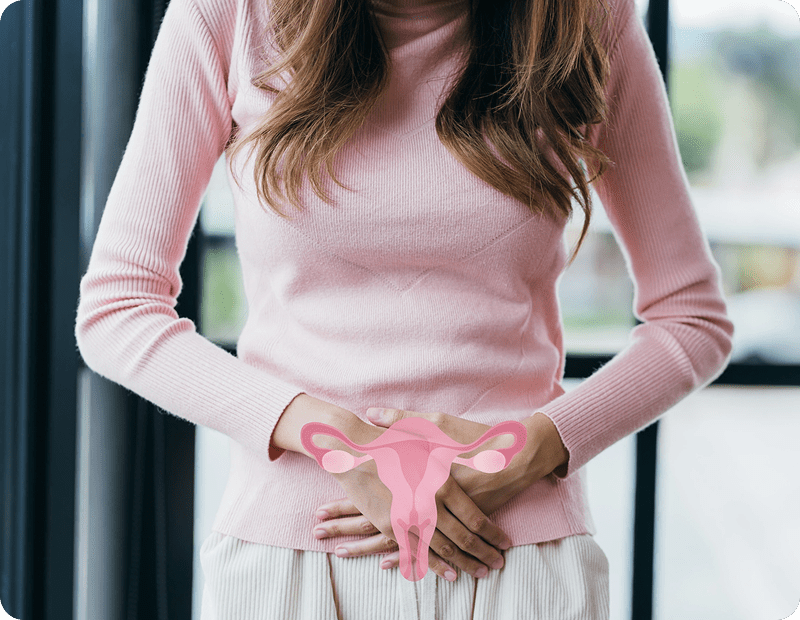
Polycystic ovary syndrome (PCOS) is a hormonal disorder characterized by enlarged ovaries containing multiple small cysts. It is one of the most common endocrine disorders affecting individuals of reproductive age and can lead to a range of symptoms and complications.
Functional Medicine for PCOS
Polycystic ovary syndrome (PCOS) is a hormonal disorder characterized by enlarged ovaries containing multiple small cysts. It is one of the most common endocrine disorders affecting individuals of reproductive age and can lead to a range of symptoms and complications.
What Causes PCOS?
The exact cause of PCOS is not fully understood, but it is believed to involve a combination of genetic, hormonal, and lifestyle factors.
Insulin resistance, elevated levels of androgens (male hormones), and abnormal levels of other hormones such as insulin, luteinizing hormone (LH), and follicle-stimulating hormone (FSH) play key roles in the development of PCOS. Genetic predisposition, obesity, and environmental factors may also contribute to the development of PCOS.
What Symptoms Will I Experience with PCOS?
PCOS can present with a variety of symptoms, which may vary in severity among affected individuals.
Common symptoms of PCOS include:
Irregular menstrual cycles or absence of menstruation (amenorrhea)
Ovarian cysts
Excess hair growth (hirsutism), particularly on the face, chest, and back
Acne or oily skin
Weight gain or difficulty losing weight
Thinning hair or hair loss on the scalp (male-pattern baldness)
Darkening of the skin, particularly along skin folds such as the neck, groin, and under the breasts (acanthosis nigricans)
Difficulty conceiving (infertility) or recurrent miscarriages
What Should I Try at Home Before Seeing a Provider for PCOS?
Before seeking medical advice for PCOS, individuals can try several home remedies and lifestyle modifications to help manage symptoms and improve overall health.
These may include:
Balanced diet: Adopting a balanced diet rich in fruits, vegetables, whole grains, lean proteins, and healthy fats can help regulate insulin levels and support hormone balance.
Regular exercise: Engaging in regular physical activity, such as aerobic exercise and strength training, can help improve insulin sensitivity, promote weight loss, and alleviate symptoms of PCOS.
Stress management: Practicing stress-reducing techniques such as mindfulness meditation, deep breathing exercises, yoga, or tai chi can help lower stress levels and improve overall well-being.
Healthy sleep habits: Getting an adequate amount of quality sleep each night is essential for hormone regulation, weight management, and overall health.
Supportive supplements: Certain nutritional supplements such as omega-3 fatty acids, vitamin D, and inositol may help improve insulin sensitivity and support hormone balance in individuals with PCOS.
Best Treatment Options for PCOS
Treatment for PCOS aims to manage symptoms, regulate menstrual cycles, promote ovulation, and reduce the risk of long-term complications. Treatment options may include:
Lifestyle modifications: Adopting healthy lifestyle habits such as maintaining a balanced diet, regular exercise, stress management, and adequate sleep can help improve symptoms and overall health in individuals with PCOS.
Hormonal birth control: Oral contraceptives, progestin therapy, or other hormonal medications may be prescribed to regulate menstrual cycles, reduce androgen levels, and improve symptoms of PCOS.
Ovulation induction: Medications such as clomiphene citrate or letrozole may be prescribed to stimulate ovulation in women with PCOS who are trying to conceive.
Anti-androgen medications: Medications such as spironolactone may be prescribed to reduce excess hair growth (hirsutism) and acne associated with PCOS.
Insulin-sensitizing medications: Medications such as metformin may be prescribed to improve insulin sensitivity, regulate menstrual cycles, and reduce the risk of metabolic complications in individuals with PCOS.
Our Process for Treating PCOS
We specialize in functional medicine for PCOS to help individuals achieve optimal hormone balance, menstrual regularity, and reproductive health.
Our approach involves a thorough evaluation, personalized treatment plans, and ongoing support. Our team of healthcare professionals, including endocrinologists, gynecologists, nutritionists, and fertility specialists, collaborates closely with each patient to develop an individualized treatment approach tailored to their specific needs, goals, and medical history.
We prioritize patient education, empowerment, and support throughout the treatment process to ensure the best possible outcomes and long-term success in managing PCOS with functional medicine.
Functional Medicine for PCOS
PCOS is a complex hormonal disorder that requires a multifaceted approach to management.
By understanding its causes, symptoms, and treatment options, individuals with PCOS can take proactive steps to improve their health and quality of life. Whether through lifestyle modifications, medications, hormonal therapy, or fertility treatments, managing PCOS is possible with the guidance and support of healthcare professionals.
With our comprehensive approach to treatment, we are dedicated to helping individuals with PCOS achieve optimal hormone balance, menstrual regularity, and reproductive health.
Ready To Experience Care That’s As Unique As You Are?
Explore our services, book your consultation, and start your journey to feeling your best—today.
Perimenopause usually starts between ages 40 and 44, with the average onset around age 40. However, it can begin as early as the mid-30s or...
Perimenopause usually starts between ages 40 and 44, with the average onset around age 40. However, it can begin as early as the mid-30s or as late as the late 40s. Most women enter perimenopause about 8 to 10 years before menopause, which officially occurs after 12 consecutive months without...