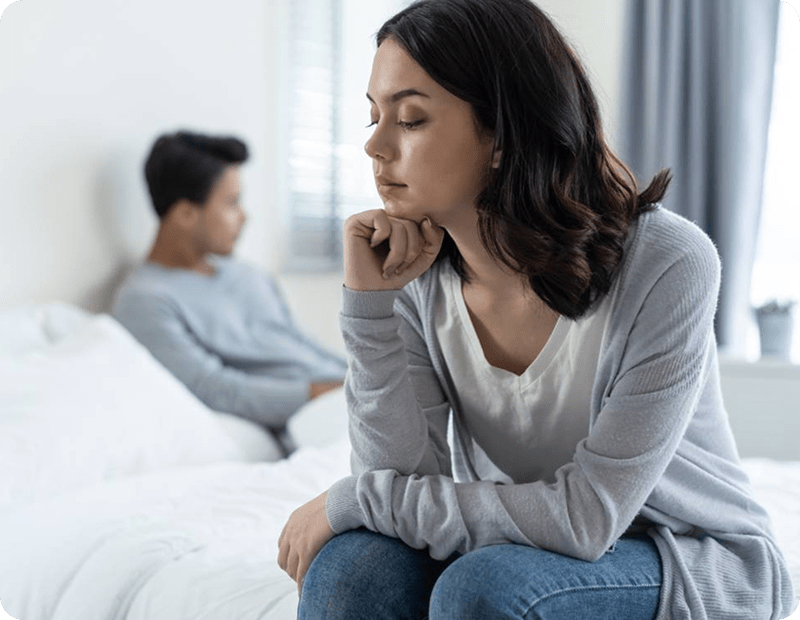
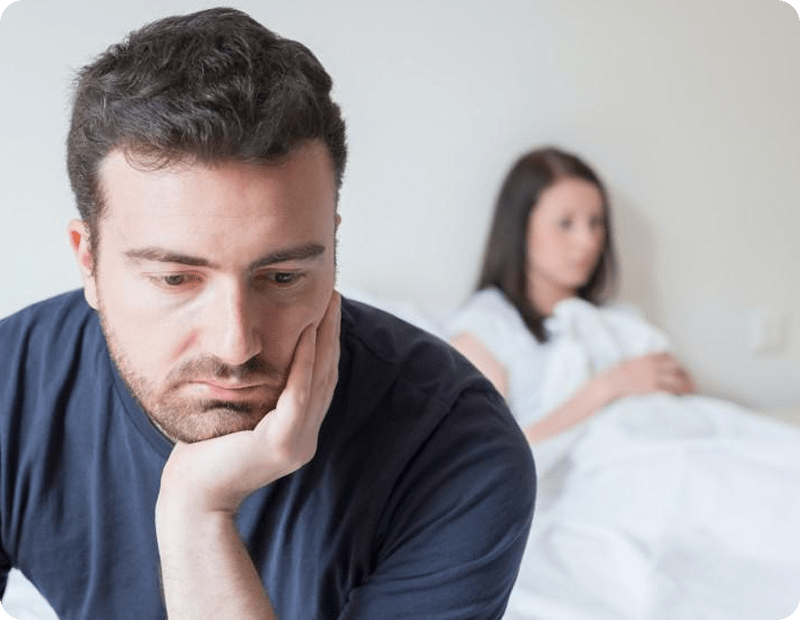
Low libido refers to a reduced interest or desire for sexual activity, which can impact individuals of any gender or age group.
While occasional fluctuations in libido are normal, persistent low libido can affect relationships and overall quality of life.
Functional Medicine for Low Libido
Low libido refers to a reduced interest or desire for sexual activity, which can impact individuals of any gender or age group.
While occasional fluctuations in libido are normal, persistent low libido can affect relationships and overall quality of life.
What Causes Low Libido?
Low libido can be caused by a combination of physical, psychological, and relational factors.
Common causes of low libido may include:
Hormonal imbalances: Fluctuations in hormone levels, such as decreased testosterone in men or estrogen and progesterone in women, can affect sexual desire.
Medical conditions: Certain medical conditions, such as diabetes, cardiovascular disease, thyroid disorders, hormonal imbalances, and chronic illnesses, can contribute to low libido.
Medications: Some medications, including antidepressants, antipsychotics, blood pressure medications, and hormonal contraceptives, can affect libido as a side effect.
Psychological factors: Psychological issues such as stress, anxiety, depression, body image concerns, past trauma, and relationship problems can impact sexual desire.
Lifestyle factors: Factors such as fatigue, poor sleep, excessive alcohol consumption, drug use, and lack of exercise can contribute to low libido.
What Symptoms Will I Experience with Low Libido?
Low libido can manifest in various symptoms, which may vary in severity among affected individuals.
Common symptoms of low libido may include:
Decreased interest or desire for sexual activity
Reduced frequency of sexual thoughts or fantasies
Difficulty becoming aroused or maintaining arousal during sexual activity
Lack of pleasure or satisfaction from sexual activity
Feelings of frustration, guilt, or inadequacy related to low libido
What Should I Try at Home Before Seeing a Provider for Low Libido?
Before seeking medical advice for low libido, individuals can try several home remedies and lifestyle modifications to help improve sexual desire and overall well-being.
These may include:
Communication: Open and honest communication with your partner about sexual desires, needs, and concerns can help address relational issues and improve intimacy.
Stress management: Practicing stress-reducing techniques such as mindfulness meditation, deep breathing exercises, yoga, or tai chi can help lower stress levels and improve overall well-being.
Healthy lifestyle habits: Adopting healthy lifestyle habits such as regular exercise, balanced diet, adequate sleep, and limiting alcohol and drug use can support overall sexual health and libido.
Relationship counseling: Seeking counseling or therapy with a qualified sex therapist or couples counselor can help address relational issues, improve communication, and enhance intimacy.
Sexual exploration: Exploring new sexual activities, fantasies, or experiences with your partner can help reignite sexual desire and passion.
Best Treatment Options for Low Libido
Functional medicine for low libido depends on the underlying cause and severity of the condition.
Treatment options may include:
Hormone therapy: Hormone replacement therapy (HRT) may be prescribed to restore hormonal balance and improve sexual desire in individuals with hormone imbalances.
Medications: Certain medications, such as phosphodiesterase inhibitors (e.g., sildenafil, tadalafil) or bremelanotide, may be prescribed to improve sexual arousal and function.
Psychotherapy: Counseling or therapy with a qualified sex therapist, psychologist, or psychiatrist can help address psychological issues such as stress, anxiety, depression, or past trauma that may be contributing to low libido.
Lifestyle modifications: Adopting healthy lifestyle habits such as regular exercise, balanced diet, adequate sleep, stress management, and limiting alcohol and drug use can support overall sexual health and libido.
Relationship counseling: Seeking counseling or therapy with a qualified couples counselor or sex therapist can help address relational issues, improve communication, and enhance intimacy.
Our Process for Treating Low Libido
We specialize in the comprehensive evaluation and management of low libido to help individuals improve sexual desire and overall sexual health.
Our approach involves a thorough assessment, including a physical examination, medical history, laboratory testing, and assessment of psychological and relational factors. Based on the results, we develop personalized treatment plans tailored to each patient’s specific needs, goals, and preferences.
Our team of healthcare professionals, including sex therapists, psychologists, endocrinologists, and urologists, collaborates closely with each patient to address the underlying causes of low libido and develop an individualized treatment approach.
We prioritize patient education, empowerment, and support throughout the treatment process to ensure the best possible outcomes and long-term success in managing low libido.
Functional Medicine for Low Libido
Low libido can have a significant impact on relationships and overall quality of life, but with the right approach, it is manageable. By understanding its causes, symptoms, and treatment options, individuals with low libido can take proactive steps to improve sexual desire and overall sexual health.
Whether through hormone therapy, medications, psychotherapy, lifestyle modifications, or relationship counseling, managing low libido is possible with the guidance and support of healthcare professionals.
With our comprehensive approach to treatment, we are dedicated to helping individuals with low libido enhance intimacy, satisfaction, and overall well-being.
Ready To Experience Care That’s As Unique As You Are?
Explore our services, book your consultation, and start your journey to feeling your best—today.
Perimenopause usually starts between ages 40 and 44, with the average onset around age 40. However, it can begin as early as the mid-30s or...
Perimenopause usually starts between ages 40 and 44, with the average onset around age 40. However, it can begin as early as the mid-30s or as late as the late 40s. Most women enter perimenopause about 8 to 10 years before menopause, which officially occurs after 12 consecutive months without...