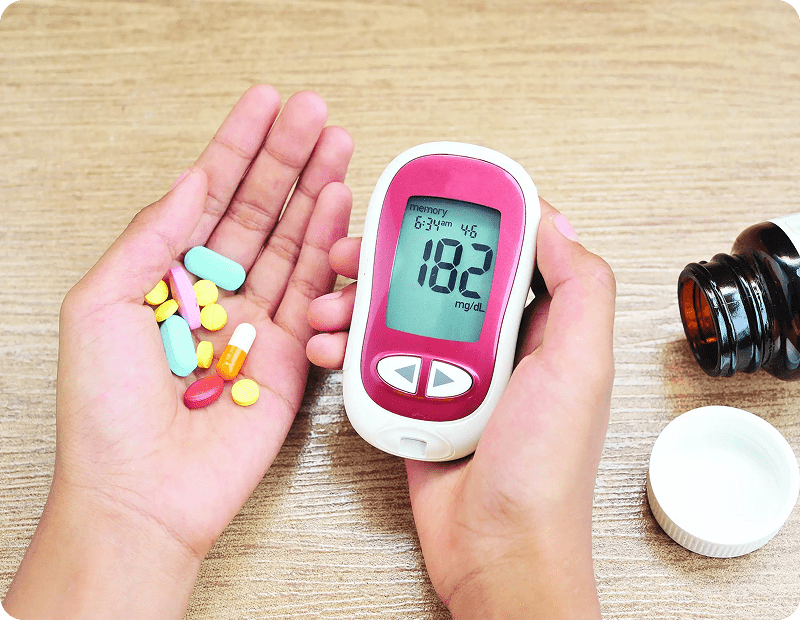
Type 2 diabetes is a chronic condition that affects how the body metabolizes glucose (sugar).
It occurs when the body becomes resistant to insulin, a hormone that regulates blood sugar levels, or when the pancreas fails to produce enough insulin.
Functional Medicine for Type 2 Diabetes
Type 2 diabetes is a chronic condition that affects how the body metabolizes glucose (sugar).
It occurs when the body becomes resistant to insulin, a hormone that regulates blood sugar levels, or when the pancreas fails to produce enough insulin.
What Causes Type 2 Diabetes
The exact cause of type 2 diabetes is multifactorial and involves a combination of genetic, lifestyle, and environmental factors.
Obesity, physical inactivity, unhealthy dietary habits, family history of diabetes, and ethnicity (such as African American, Hispanic, Asian, or Native American descent) are known risk factors for developing type 2 diabetes.
Functional medicine for type 2 diabetes takes all these things into account, making it an effective avenue of treatment.
What Symptoms Will I Experience with Type 2 Diabetes?
Symptoms of type 2 diabetes can develop gradually and may include:
Increased thirst
Frequent urination
Unexplained weight loss
Fatigue
Blurred vision
Slow wound healing
Tingling or numbness in the hands or feet
Some individuals with type 2 diabetes may not experience any symptoms initially, leading to delayed diagnosis and potential complications.
What Should I Try at Home Before Seeing a Provider for Type 2 Diabetes?
Before seeking medical advice, individuals with type 2 diabetes can try several home remedies and lifestyle modifications to manage blood sugar levels and improve overall health.
These include:
Adopting a balanced diet rich in fiber, whole grains, fruits, vegetables, and lean proteins
Limiting sugar, refined carbohydrates, and saturated fats
Regular physical activity, such as brisk walking, cycling, or swimming, can help improve insulin sensitivity and control weight.
Additionally, monitoring blood sugar levels regularly, staying hydrated, managing stress, and getting adequate sleep are essential for diabetes management
Best Treatment Options Type 2 Diabetes
Treatment for type 2 diabetes aims to control blood sugar levels, prevent complications, and improve overall quality of life.
Depending on individual needs and health status, treatment options may include lifestyle modifications (diet and exercise), oral medications (such as metformin, sulfonylureas, or thiazolidinediones), injectable medications (such as insulin or GLP-1 receptor agonists), and in some cases, bariatric surgery for individuals with severe obesity.
Functional medicine for type 2 diabetes remains one of the best ways to address ALL factors that influence it, effectively treating the person rather than the symptoms.
Our Process for Type 2 Diabetes
We specialize in the comprehensive management of type 2 diabetes to help individuals achieve optimal glycemic control and prevent complications.
Our approach involves thorough evaluation, personalized treatment plans, and ongoing support. Our team of healthcare professionals led by Dr. Kayla Milano, including endocrinologists, dietitians, and diabetes educators, collaborates with each patient to develop a tailored treatment plan that addresses their unique needs, preferences, and medical conditions.
We prioritize patient education, self-management skills, and lifestyle modifications to empower individuals to take control of their diabetes and lead healthier lives.
Functional Medicine for Type 2 diabetes
Type 2 diabetes is a chronic condition that requires a multifaceted approach to management.
By understanding its causes, symptoms, and treatment options, individuals can take proactive steps to control their blood sugar levels and reduce the risk of complications. Whether through lifestyle modifications, medications, or surgical interventions, managing type 2 diabetes is possible with the right guidance and support from healthcare professionals.
With our functional medicine for type 2 diabetes treatment, individuals can achieve better glycemic control, improve their quality of life, and reduce the long-term impact of diabetes on their health.
Ready To Experience Care That’s As Unique As You Are?
Explore our services, book your consultation, and start your journey to feeling your best—today.
Perimenopause usually starts between ages 40 and 44, with the average onset around age 40. However, it can begin as early as the mid-30s or...
Perimenopause usually starts between ages 40 and 44, with the average onset around age 40. However, it can begin as early as the mid-30s or as late as the late 40s. Most women enter perimenopause about 8 to 10 years before menopause, which officially occurs after 12 consecutive months without...