
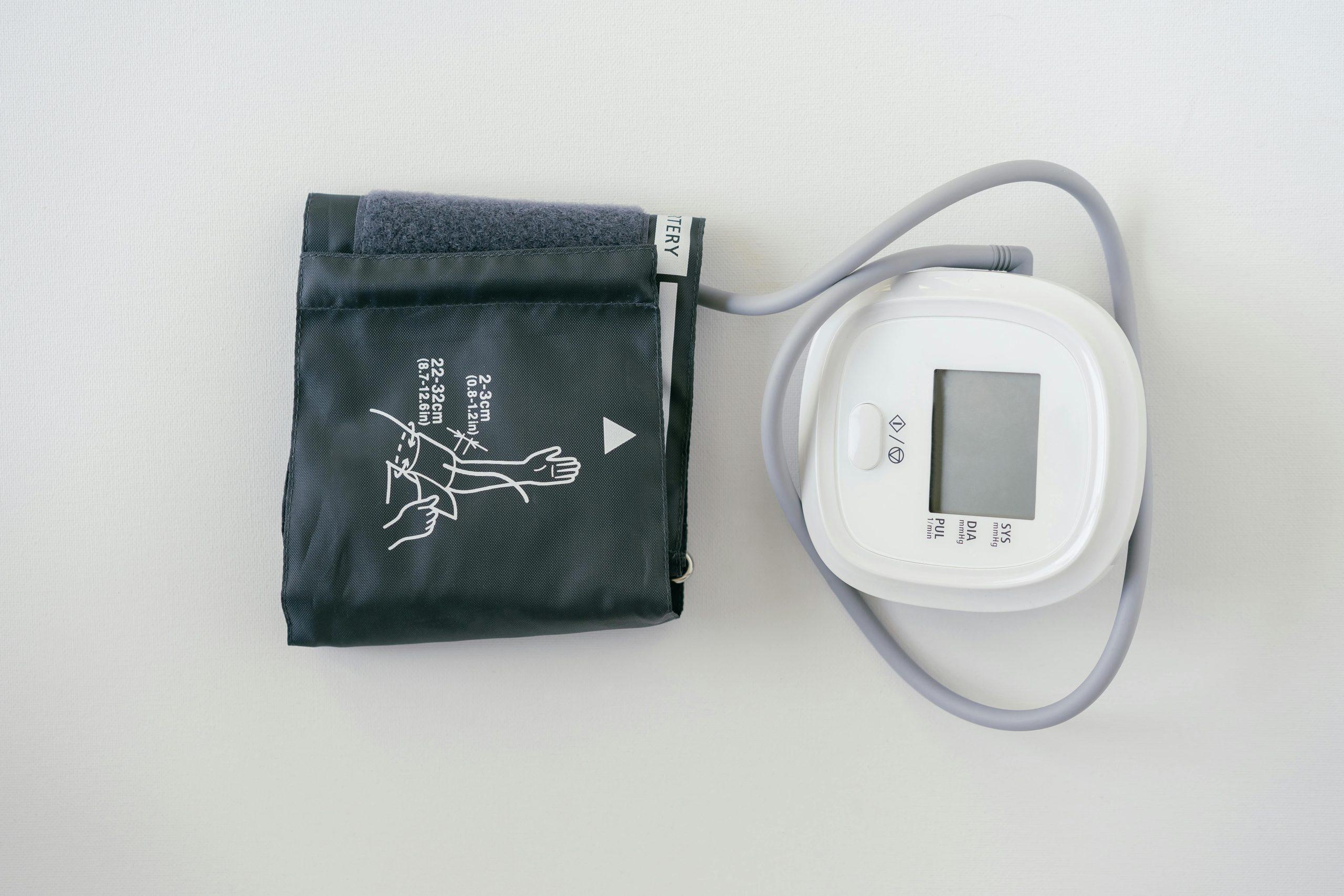
If you’re thinking about testosterone therapy or just curious about how hormones affect your health, you might be wondering: Does testosterone raise blood pressure?
It’s a smart question—and the answer isn’t always simple.
In some people, testosterone can raise blood pressure.
In others, it might not have much of an effect at all.
Let’s walk through what the research shows and what it means for you.
What Is Testosterone and Why Does It Matter?
Testosterone is a hormone your body naturally produces.
It plays a key role in energy, mood, sex drive, muscle growth, and overall wellness.
While it’s usually thought of as a male hormone, women have it too, just in smaller amounts.
When testosterone levels drop too low, you may feel tired, foggy, or less interested in sex.
Some people even develop anxiety or depression.
Low T can also affect your heart health—including your blood pressure.
How Does Testosterone Affect Blood Pressure?
There’s a definite link between testosterone and blood pressure, but it’s not always a direct cause-and-effect situation.
Research suggests that both low and high testosterone levels can affect how your blood vessels behave.
At healthy levels, testosterone may help your arteries relax and improve blood flow.
But if levels get too high—or stay too low for too long—it can lead to problems like fluid retention, changes in kidney function, or stiffening of blood vessels.
That’s when blood pressure may start to creep up.
Can Testosterone Replacement Therapy Raise Blood Pressure?
If you’re receiving testosterone replacement therapy (TRT), you’re probably wondering how it affects your heart.
The truth is, it depends.
Some people experience a small increase in blood pressure when they start TRT—especially with injections that cause rapid spikes in testosterone.
Others may see no change at all.
And in some cases, studies show that TRT may actually help bring blood pressure down by improving metabolism and reducing inflammation.
Here are a few things that influence how your body responds:
- Your dose: Higher doses can increase water retention, which may raise blood pressure
- The delivery method: Injections, gels, and patches all absorb differently
- Your overall health: If you already have high blood pressure or heart issues, you’ll need closer monitoring
- Your habits: Diet, hydration, sleep, and stress all play a role
TRT doesn’t automatically mean high blood pressure, but it does mean you need to pay attention.
What Happens When Testosterone Is Abused or Misused?
There’s a big difference between medically supervised TRT and using testosterone without a prescription or in very high doses.
When testosterone is misused—like in some bodybuilding or athletic settings—it’s often taken at much higher levels than the body needs.
That can raise blood pressure significantly and increase your risk for serious heart problems, including heart attack or stroke.
If you’re considering testosterone therapy, it’s important to work with a medical team that monitors your levels and your overall health.
How to Manage Blood Pressure While on TRT
Worried about how TRT might affect your blood pressure?
There’s a lot you can do to stay in control:
- Keep track of your numbers: Check your blood pressure regularly, especially when starting or adjusting treatment.
- Stay active: Exercise helps lower blood pressure and supports healthy testosterone levels.
- Watch your salt and stay hydrated: Too much salt or not enough water can cause your body to hold on to fluids, which can raise blood pressure.
- Limit alcohol: TRT and alcohol can increase blood pressure and interfere with hormone balance.
- Work with your doctor: If your blood pressure starts to rise, your provider can adjust your dosage or change your treatment plan.
How California Concierge Can Help with Testosterone Therapy
At California Concierge, we take a personalized, patient-focused approach to testosterone replacement therapy.
We know that your hormones are just one part of your health story—and we’re here to look at the full picture.
When you work with us, you get:
- A tailored TRT plan based on your labs and symptoms
- Ongoing blood pressure and hormone monitoring
- Support from a medical team who understands how to balance results with long-term health
Whether you’re new to TRT or already on a plan that needs fine-tuning, we’re here to help you feel better without putting your heart at risk.
Contact us to learn more about our TRT services.
Final Thoughts: Should You Be Concerned?
Testosterone doesn’t always raise blood pressure, but it can in some people—especially with high doses or when not monitored correctly.
The key is to treat low testosterone the right way.
When therapy is supervised, monitored, and supported by healthy lifestyle habits, the risks can often be managed.
If you’re thinking about TRT and want to know how it could affect your blood pressure, let’s talk.
We’re here to help you move forward with clarity and confidence.
FAQs: Does Testosterone Raise Blood Pressure
How to lower blood pressure while on testosterone?
To help lower blood pressure while on testosterone therapy, focus on daily habits like eating a low-sodium diet, exercising regularly, staying hydrated, getting enough sleep, and limiting alcohol. It’s also important to have regular check-ins with your provider to monitor blood pressure and adjust your TRT plan if needed.
Can taking testosterone cause high blood pressure?
Yes, testosterone can raise blood pressure in some people, especially at higher doses or when injected. However, many people on medically supervised TRT see little to no change, and in some cases, it may even help improve blood pressure by supporting overall metabolic health.
How long does it take for TRT to affect blood pressure?
Changes in blood pressure from TRT can show up within a few weeks, particularly with injections that cause rapid hormone spikes. For most people, it’s important to monitor blood pressure closely during the first 1–3 months of treatment.
What are the risks of taking testosterone?
Potential risks of testosterone therapy include elevated blood pressure, thickened blood, acne, mood changes, and in rare cases, heart-related issues. These risks are much lower when TRT is done under medical supervision with regular monitoring.
Does drinking water lower blood pressure?
Staying well-hydrated can help support healthy blood pressure, especially while on TRT. Dehydration may lead to blood vessel constriction and higher blood pressure, so drinking water throughout the day is a simple but effective habit.
What is HRT vs TRT?
HRT stands for hormone replacement therapy and is a broad term that includes any treatment used to balance hormones, including estrogen, progesterone, or testosterone. TRT, or testosterone replacement therapy, is a specific type of HRT focused on restoring testosterone levels, usually in men with low T.

Dr. Kayla Milano, the founder of California Concierge Medicine, is a board-certified medical professional with deep expertise in functional and integrative medicine, hormone therapy, and regenerative treatments. Known for her patient-first philosophy, Dr. Kayla Milano blends modern science with compassionate care—delivering real solutions that improve quality of life.